Jamestown Jan. 24 Court Dockets Detail DUI, DWLS, Disorderly Conduct Sentences
Jamestown courts handed down sentences for multiple DUI, DWLS and disorderly conduct cases; outcomes affect fines, treatment requirements and public-safety measures for local residents.
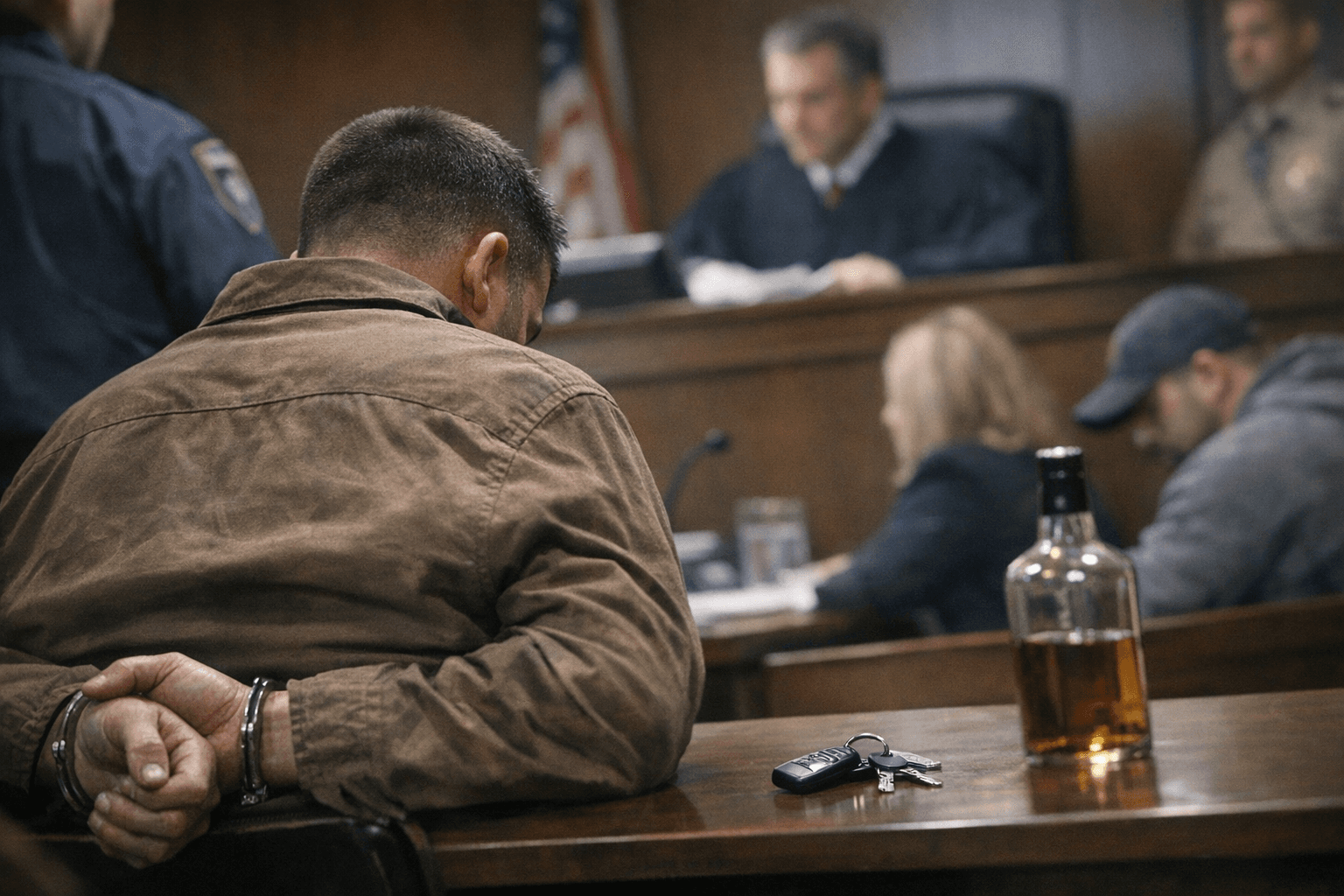
Jamestown municipal and Southeast District courts handed down a range of sentences for drinking and driving, driving while license suspended and public-order offenses, highlighting continuing local emphasis on road safety and accountability.
On Jan. 24, 2026, dockets filed in Jamestown Municipal Court and Southeast District Court recorded entries that included contempt, driving while license suspended (DWLS), aggravated DUI and other traffic-related sentences. Southeast District Court rulings included a DUI-refusal case and a second-offense DUI that included eluding charges, along with dispositions for disorderly conduct. Sentences and conditions listed in the dockets ranged from fines and community service to chemical dependency evaluations, firearm prohibitions, suspended jail terms and credit for time served.
The mix of penalties reflects a dual approach: immediate sanctions to address public-safety threats and mandated treatment or monitoring intended to reduce recidivism. Chemical dependency evaluations were ordered in multiple cases, signaling judicial attention to substance-use issues that commonly underlie impaired driving. Firearm prohibitions attached to certain convictions also underscore legal consequences that extend beyond fines or jail time; such conditions affect individuals’ civil rights and practical daily life, particularly in a rural county where firearms are part of many households.
For Jamestown and Stutsman County residents the rulings carry several local implications. Motorists convicted of DWLS and DUI face concrete costs in fines and possible loss of driving privileges, which can strain families and workers who depend on private vehicles in a region with limited public transit. Court-ordered community service and suspended sentence structures allow some defendants to avoid immediate incarceration if they comply with conditions, but failure to meet requirements can lead to escalation and return to court. Requiring chemical-dependency evaluation is aimed at addressing root causes, and successful compliance can reduce future harm on roads and in homes.
The dockets also serve a transparency function for the community. Public records of municipal and district court activity let neighbors track enforcement patterns, show how the courts balance punishment and rehabilitation, and reveal whether local priorities - such as reducing impaired driving - are producing observable results.
Looking ahead, residents should expect continued enforcement of DUI statutes and related traffic laws, with courts continuing to impose combinations of fines, treatment orders and other restrictions intended to protect public safety. For those affected, complying with evaluations, restitution and service conditions will determine whether suspended sentences remain in place or convert to custodial time.
This article was produced by Prism’s automated news system from verified source data, official records, and press releases, then run through automated quality and moderation checks before publishing. The system is built and supervised by the people who set the standards it runs under. Read our full AI policy.
Did this article answer your question?