Jamestown Joins Statewide Push to Replace Lead Water Service Lines
Jamestown could begin tearing out lead water pipes this summer, with a $2 million forgivable loan and property assessments covering the cost.
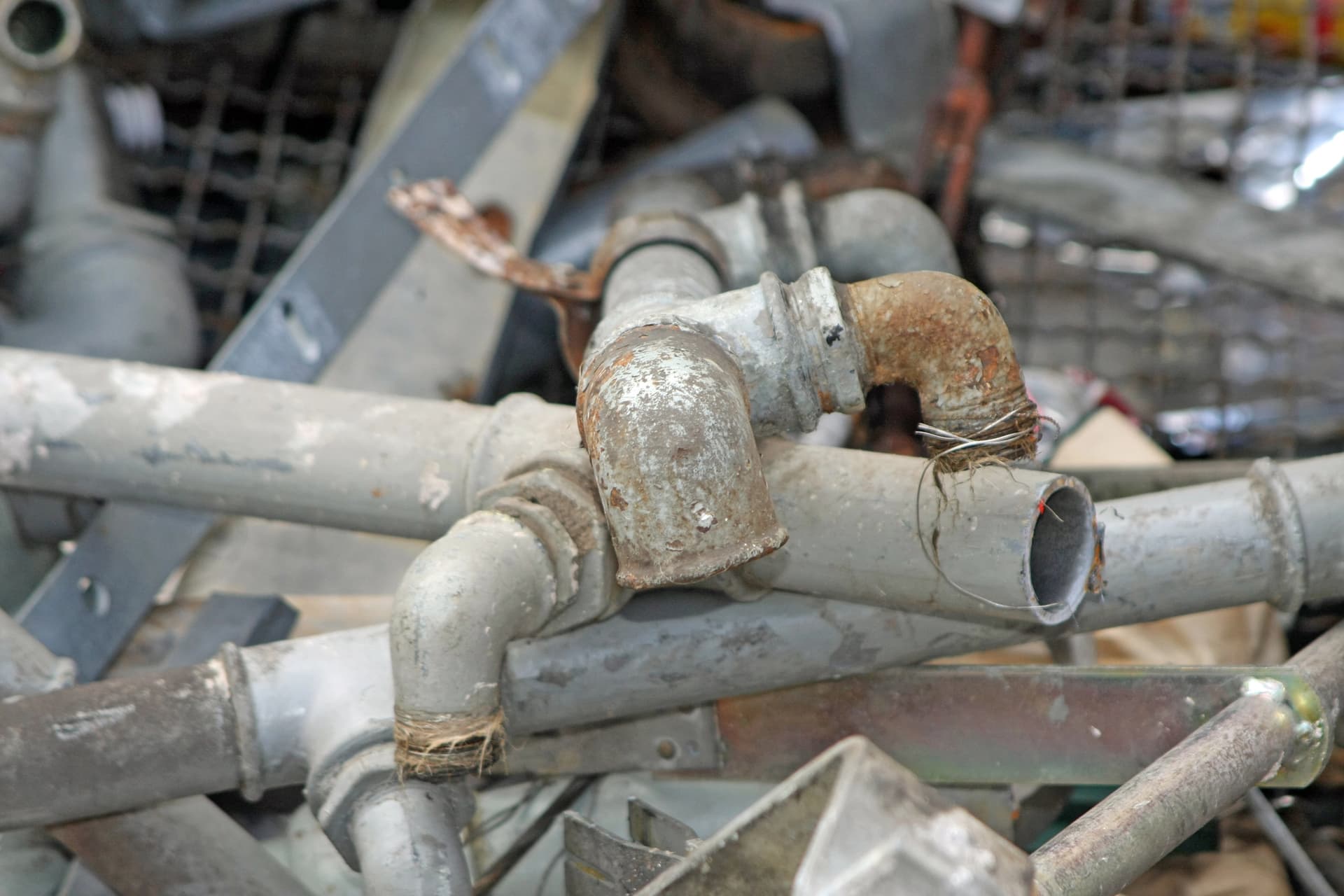
Jamestown's Public Works Committee voted unanimously on Jan. 22 to declare it necessary to construct a lead water service line replacement district, setting in motion a multi-year project that will pull hazardous lead pipes from older neighborhoods and replace them with high-density polyethylene pipe before a 2037 EPA deadline.
City Engineer Travis Dillman and Public Works Director Tyler Michel confirmed the project targets the older parts of Jamestown where lead service lines are known to remain. Michel noted that lead service lines were largely phased out after the late 1960s, meaning newer developments across the city are not affected. "Some places have had projects where it was removed," Dillman said, acknowledging that some replacement work has already occurred in scattered locations.
Construction could begin as early as this summer. Residents in affected areas received letters in late January outlining what to expect. The project is mandated by the EPA's Lead and Copper Rule and must be completed by 2037.
Financing will come from two sources. A forgivable $2 million loan through the Drinking Water State Revolving Fund, administered by the North Dakota Department of Environmental Quality, will cover a portion of the work. The remainder will fall to property owners through special assessments tied to the actual replacement cost at each address. Dillman said the city could structure repayment as a 10-year special assessment district. Replacing a single service line runs between $8,000 and $12,000. One important boundary on the loan: "The loan is specifically for the replacement of the lead water service lines and not for identifying if the water service lines are made of lead," Dillman said.
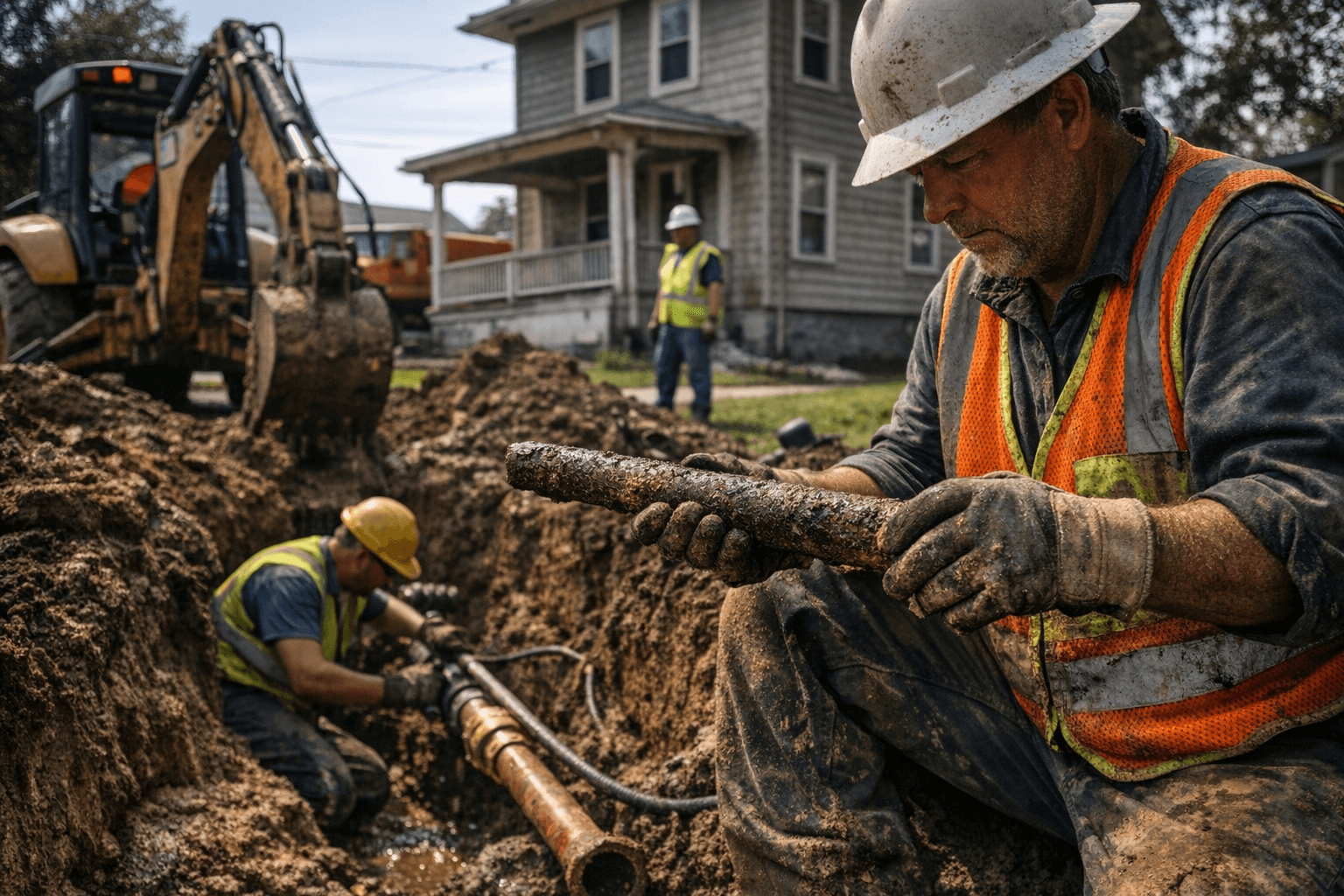
Jamestown's effort is part of a coordinated statewide push. North Dakota has fewer than 20,000 lead service lines, a fraction of the up to 150,000 estimated in Minnesota, but thousands of lines across the state remain classified as unknown material and still need verification. Mandan alone has 2,770 lines that have not yet been confirmed, and cities including Fargo and Bismarck are facing complex replacement challenges of their own. Officials have urged property owners statewide to cooperate with door-to-door surveys and inspections to accelerate that identification process.
North Dakota will draw on nearly $30 million in annual federal funding along with low-interest state loans to support the replacements. Under the EPA's 2021 Lead and Copper Rule Revisions, every water system in the country was required to submit a full service line inventory by October 2024, with a federal replacement deadline set for November 2027.
This article was produced by Prism’s automated news system from verified source data, official records, and press releases, then run through automated quality and moderation checks before publishing. The system is built and supervised by the people who set the standards it runs under. Read our full AI policy.
Did this article answer your question?