Jamestown schools celebrate year-end learning with book parade, animal facts
A second-grade book parade and third-grade animal facts made learning visible across Jamestown, from St. John’s Academy to Gussner Elementary.

Learning on display in Jamestown
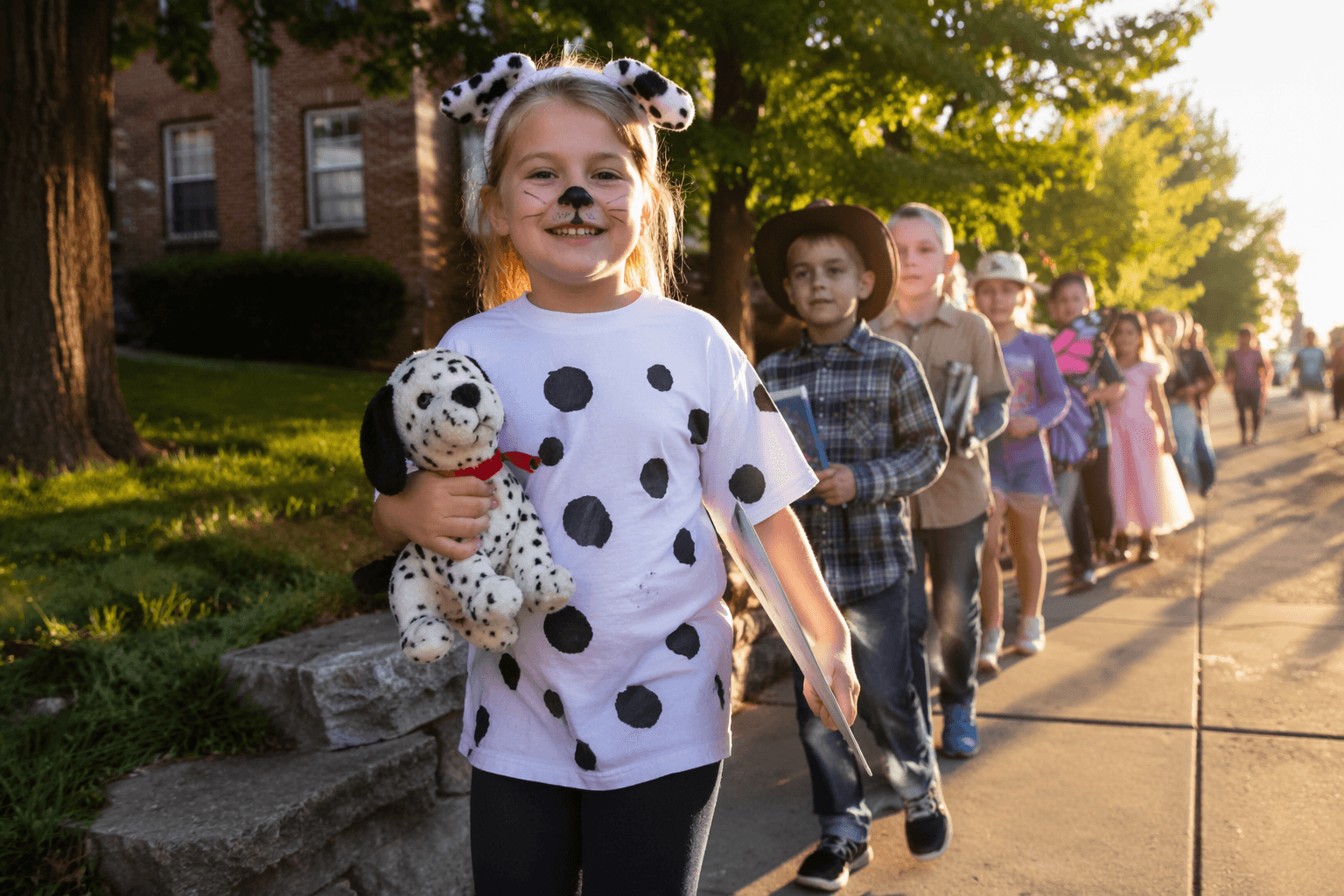
The clearest sign that the school year was winding down in Jamestown was not a stack of final papers, but student work made public. At St. John’s Academy, second graders celebrated with an annual book parade, while third graders at William S. Gussner Elementary School shared facts about animals they had studied, turning classroom learning into something families and neighbors could actually see.
A book parade built around reading and imagination
The book parade at St. John’s Academy is the kind of end-of-year tradition that gives young students a chance to perform what they know rather than simply hand it in. Second graders use the event to celebrate reading, imagination and the progress they have made over the year, often by dressing up and presenting favorite titles in front of classmates and families. That makes the parade more than a cute school photo. It becomes a visible marker of literacy growth, confidence and the joy of stories.
For parents and grandparents, that kind of moment tends to linger long after the school year ends. A child who steps into a costume and talks about a favorite book is also showing something harder to measure on a worksheet: comfort speaking in public, ownership of what they have read and pride in learning. In a town like Jamestown, where schools are closely watched and community ties run deep, those public demonstrations of student enthusiasm matter.
The setting carries its own weight, too. St. John’s Academy says it opened on September 3, 1890, and began with 65 students, including 14 boarders. It describes itself as the first Catholic school in what is now the Diocese of Fargo, a detail that underscores how long the school has been part of the local educational landscape in Jamestown and Stutsman County.
That history helps explain why a small student parade can feel meaningful well beyond one classroom. St. John’s Academy added kindergarten in 1978 and preschool in 1989, then expanded again in recent years by welcoming grade 7 in 2021 and grade 8 the following year. The school also completed a $6 million renovation and 45,000-square-foot expansion project in 2020 and acquired two adjacent properties in 2024, a sign that the campus continues to grow while holding onto its identity.
Animal facts turn science into a presentation
At William S. Gussner Elementary School, the third-grade project put a different kind of learning on display. Students shared facts about animals they had studied, an approach that pushes science beyond memorization and into presentation. Instead of keeping the work hidden in a notebook or checking it off on a test, the students had to explain what they learned in a public setting.
That public step matters. When children explain animal facts out loud, they practice communication, strengthen memory and build confidence in a way that a written assignment alone cannot match. It also gives teachers a clearer look at what students can really do with the information, whether they are describing habitats, physical traits or other details they have absorbed through study.
Gussner is part of the Jamestown Public School District and serves as the district’s public elementary school. In contrast with St. John’s Academy, the two schools show different models of education in the same city, but the end result is similar: students are given a chance to present learning in a way that invites recognition from the community.
That contrast is part of what makes the roundup resonate locally. One school is a Catholic academy with roots stretching back more than a century. The other is the district’s public elementary school. Both are using student-centered projects to close out the year, and both are making learning visible in a way that parents, grandparents and neighbors can appreciate.
Why these showcases matter to Jamestown families
These are not large-scale performances or formal ceremonies, but they reveal something important about education in Jamestown: schools are not just buildings where lessons happen. They are places where children are encouraged to show what they know, where families gather to notice growth, and where achievement can be seen in a costume, a book choice or a clear answer about an animal.
That is especially meaningful at the end of the year, when students are ready to move from one grade to the next and teachers are looking for ways to recognize effort without reducing it to a final score. A book parade highlights reading and imagination. An animal facts presentation highlights science and communication. Together, they show that student learning in Jamestown is active, public and rooted in local pride.
For Stutsman County readers, the value is in the details. A second grader dressed for a parade and a third grader explaining an animal fact may seem like small moments, but they are the kind of moments that tell a larger story about school culture. In Jamestown, the academic year did not end quietly. It ended with students stepping forward and showing exactly what they had learned.
This article was produced by Prism’s automated news system from verified source data, official records, and press releases, then run through automated quality and moderation checks before publishing. The system is built and supervised by the people who set the standards it runs under. Read our full AI policy.
Did this article answer your question?