Jamestown's Troop 163 Builds Leaders Through Scouting America Programs
Jamestown's only Scouting America troop carries 19 youth on its roster, led by Scoutmaster Jeff Lorenz, blending campouts, STEM badges, and civic projects that leave a mark on the city.
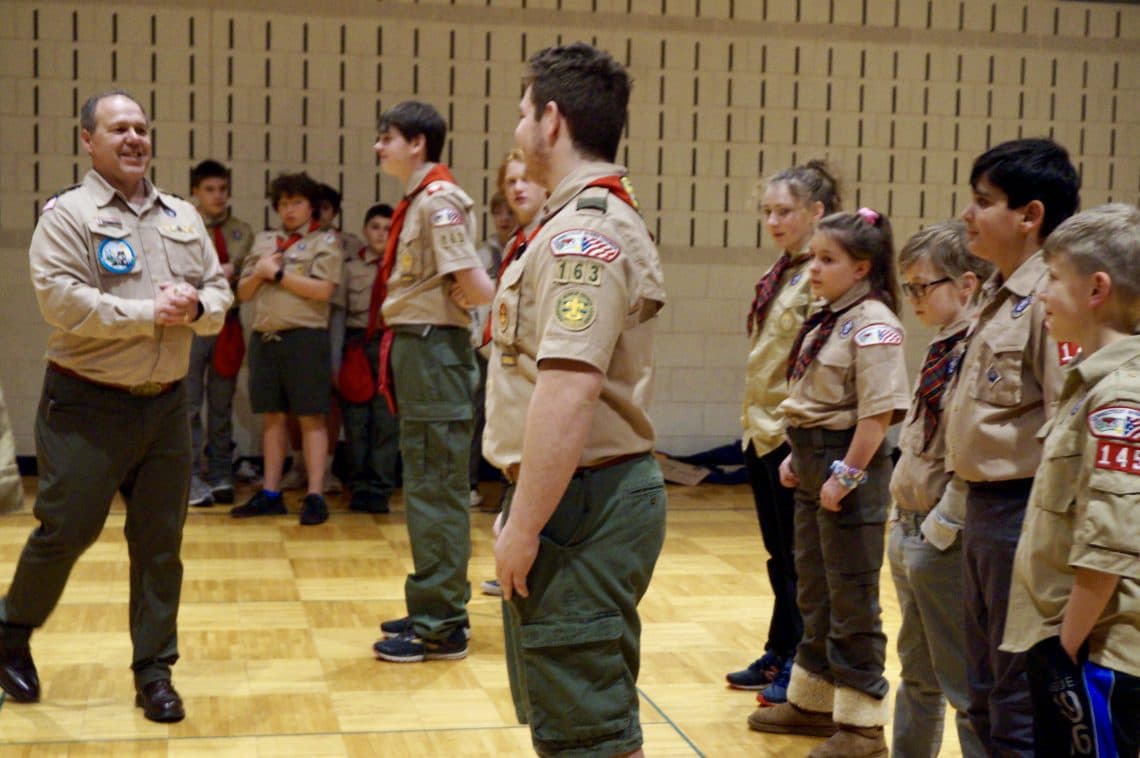
Jeff Lorenz has guided Jamestown's Troop 163 through program shifts, roster expansions, and a national rebranding, and what he keeps returning to is the core: get young people outside, teach them to lead, and connect them to their community. As the scoutmaster of the only Scouting America troop in Jamestown, Lorenz oversees a roster of 16 boys and three girls backed by four adult leaders, all operating in a city where structured youth programming outside of school sports can be genuinely difficult to find.
A New Name, a Familiar Purpose
The organization most Stutsman County residents grew up calling the Boy Scouts formally became Scouting America on February 8, 2025. That name change reflects what the program has become: a co-ed, multi-interest organization built to reach a broader cross-section of American youth. For Troop 163, the shift has been less a rupture than a refinement. Traditional programming, including outdoor skills, first aid, and leadership development, remains the foundation. What has expanded is the frame around it: STEM-focused merit badges, civic engagement projects, and intentional inclusion efforts that have brought girls into the troop's ranks.
Lorenz has navigated those changes from the front and notes that community roots have anchored the troop through the evolution. "We are sponsored currently by the Men of Trinity at Trinity Lutheran Church," he said, naming the chartered organization that provides Troop 163's institutional home in Jamestown. Broader civic investment reinforces that foundation. "We get a lot of support in the community through the United Way," Lorenz said.
That backing is visible in practical terms. The Jamestown Community Foundation awarded Troop 163 a $2,500 grant toward the purchase of a new trailer and equipment, the gear the troop relies on for regional camps, Jamborees, and weekend trips across the area. For a volunteer-run unit with no paid staff, institutional support like that directly determines what programming is achievable.
What Scouting Looks Like Week to Week
For the 19 young people on Troop 163's current roster, participation in Scouting America means a regular rhythm of meetings, outdoor events, skill sessions, and service work. Den and troop meetings structure the calendar, with merit badge work, first aid instruction, and leadership training built into each gathering. Camping trips and hikes into the surrounding North Dakota landscape give scouts hands-on practice with outdoor competencies the organization has always centered.
Weekend campouts within driving distance of Jamestown and longer regional trips fill out the annual program. These aren't purely recreational: they form the primary vehicle for earning the camping nights required to advance in rank. Scouts pursuing Eagle Scout, the program's highest honor, must log at least 20 camping nights, hold multiple leadership positions within the troop, earn a minimum of 21 merit badges, and complete an independent community service project from conception through execution.
Newer program elements sit alongside those traditional requirements rather than replacing them. STEM-focused merit badge work gives scouts exposure to science, technology, engineering, and mathematics through project-based learning that mirrors the applied problem-solving that both educators and employers increasingly prioritize. Civic engagement activities have also been formalized in the curriculum, encouraging scouts to understand local government, participate in public processes, and take ownership of issues affecting their neighborhoods.
Eagle Scouts Leaving Marks Across Jamestown
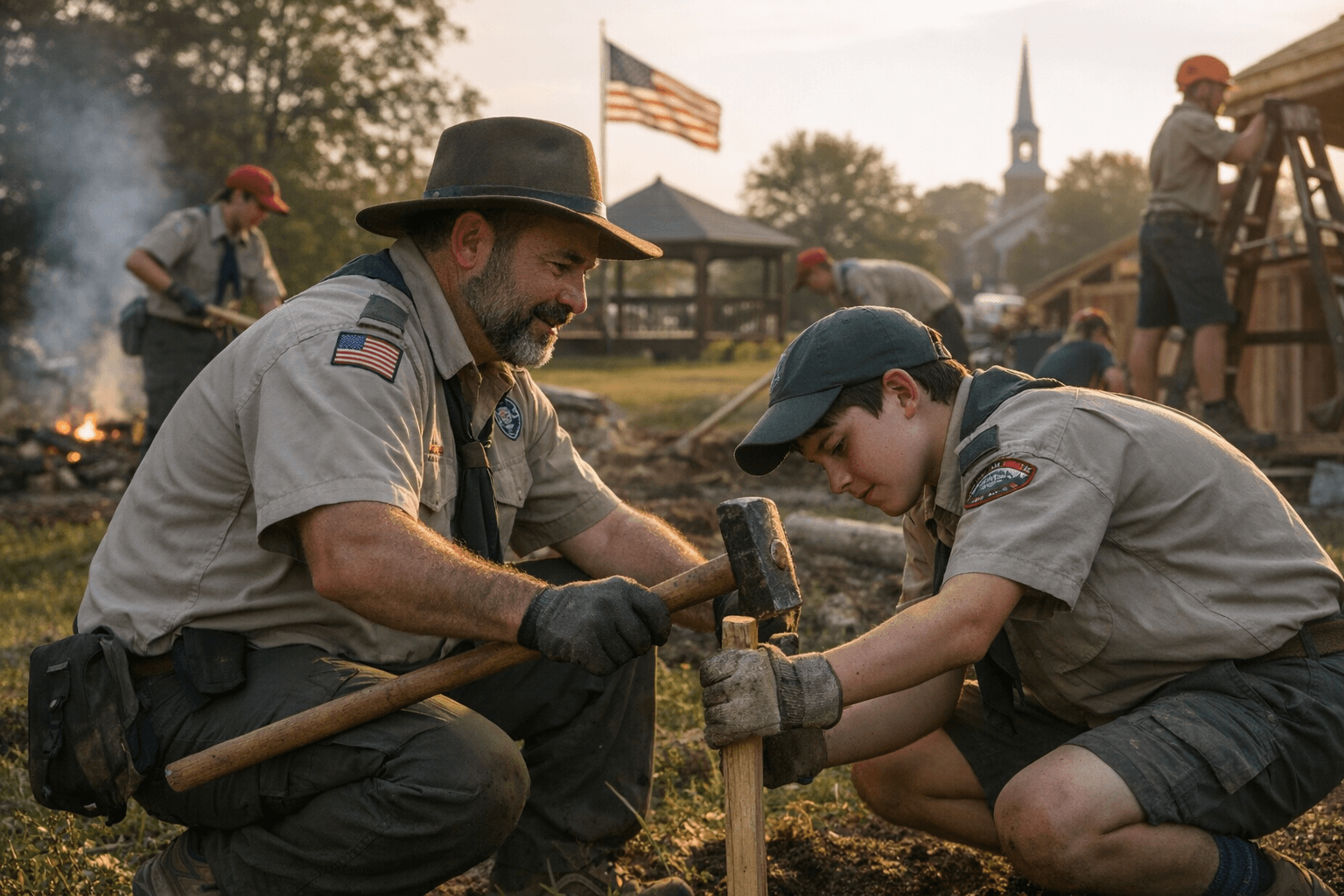
The Eagle Scout community service requirement has produced a consistent line of visible, lasting projects across the city. Dawson Hertz built a series of Little Free Libraries installed across three communities in and around Jamestown, creating permanently accessible book-sharing infrastructure that any resident can use. Cole Burkle harvested cuttings of woodbine ivy from Jack Brown Stadium, cultivated them, and transplanted them along the entire fence line of the Jamestown High School soccer field. Dawson Domke constructed a handicap-accessible ramp at VFW Park and repaired and refurbished picnic tables throughout the park grounds.
Each of those projects required the scout to design, plan, raise funds, and lead a volunteer crew through to completion. The result is documented project management experience in hand before most of these young people have a diploma from Jamestown High School. The projects also reflect the troop's ongoing relationships with local institutions: schools, parks, churches, and civic organizations appear repeatedly as both project sites and community partners.
That civic connection extends to ceremonial life as well. Members of Troop 163 have stood alongside the American Legion Color Guard at the Veterans Memorial in Jamestown, representing a continuity of service that links the troop to the broader community calendar.
Why Troop 163 Matters in Stutsman County
Stutsman County is rural in ways that limit extracurricular infrastructure for young people. School-based activities provide structure during the academic year, but an organization like Troop 163 fills a distinct and complementary role: it operates year-round, demands responsibility across settings outside the classroom, and connects youth to adult mentors and civic institutions that school schedules cannot replicate.
The skills Scouting America emphasizes, teamwork, project planning, outdoor self-sufficiency, first aid, civic participation, are precisely the capacities workforce development advocates and community leaders cite when discussing the pipeline between youth programming and adult civic life. In a county that depends on volunteer organizations and a culture of civic engagement passed through generations, what Troop 163 produces compounds over time.
For families evaluating extracurricular options, Troop 163's current roster of 19 scouts and four dedicated adult leaders makes the proposition concrete: the troop is active, community-backed, and open. With programming that has grown more inclusive and more relevant without abandoning what made Scouting durable in the first place, Jamestown's sole Scouting America unit is positioned to develop the next generation of the city's civic leaders.
This article was produced by Prism’s automated news system from verified source data, official records, and press releases, then run through automated quality and moderation checks before publishing. The system is built and supervised by the people who set the standards it runs under. Read our full AI policy.
Did this article answer your question?