National Buffalo Museum anchors Jamestown’s identity, tourism and conservation story
The National Buffalo Museum is more than a tourist stop. In Jamestown, it shapes school learning, civic identity and the dollars that travel off Interstate 94 into town.
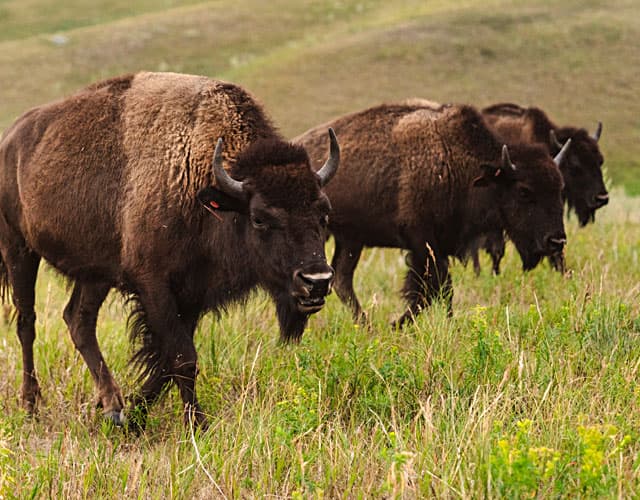
A symbol that still does real work
The National Buffalo Museum remains one of Jamestown’s most recognizable landmarks because it gives the city something few places can claim: a public identity built around the American bison. In Stutsman County, that matters far beyond nostalgia. The museum ties the prairie landscape to conservation, resilience and cultural memory, helping Jamestown stand out in a region where many communities compete for the same travelers, the same family outings and the same sense of place.
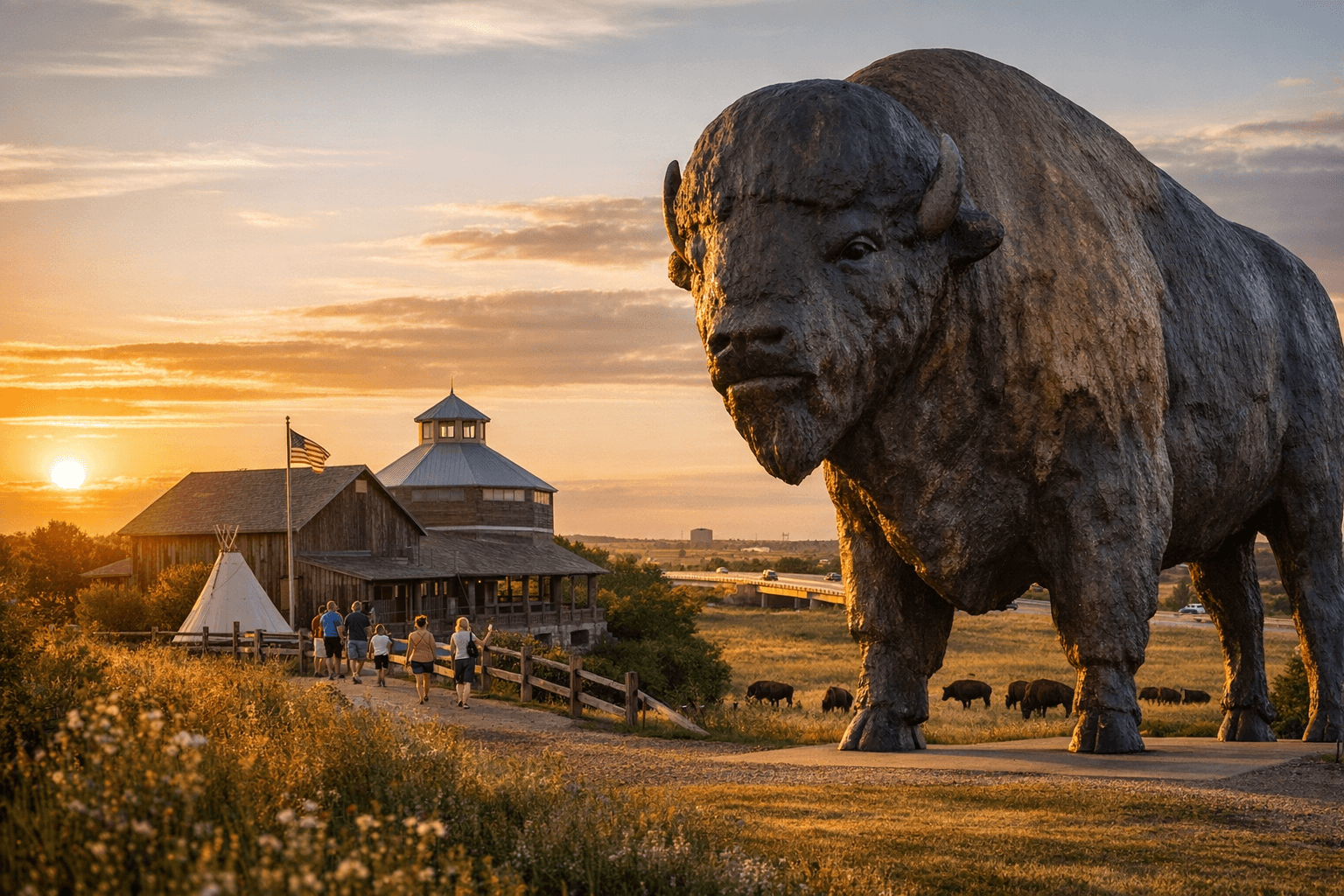
Its appeal is not abstract. The museum combines exhibits, education and the chance to see buffalo as living animals, not just as a chapter in a textbook. That mix keeps the story grounded in the land and in the long transformation of the prairie ecosystem, where the bison once disappeared and later returned through conservation work. The result is a place that speaks to both pride and responsibility, which is why it continues to matter to the county even when nothing else is making headlines.
Why families and school groups keep coming back
For families, the museum works because it is hands-on and easy to understand without being simplistic. Children learn why bison nearly disappeared, how conservation efforts helped bring them back and why the animal still matters to Indigenous cultures, to North Dakota’s tourism identity and to the history of western settlement. That makes the museum more than a look at wildlife; it becomes a lesson in how people, policy and the land shaped one another.
School groups are part of that equation. The museum gives teachers a local way to connect classroom lessons to the plains, the changing ecosystem and the region’s settlement story. Students do not just hear that the bison is an icon. They see how an icon can also be a warning, a recovery story and a reminder that the prairie was altered dramatically over time. That is the kind of learning that stays with children long after a field trip ends.
Adults often arrive for the novelty and leave with a broader understanding of how Jamestown presents itself to the world. In a mid-size Great Plains city, landmarks have to do more than sit on a map. They have to carry meaning, and the museum does that by linking wildlife, conservation and local history in one stop.
A stop that can pull money off Interstate 94
The museum’s practical value shows up in the visitor economy. Travelers looking for something memorable near Interstate 94 often choose places that offer a distinctive local experience, and a bison museum fits that need better than a generic roadside stop. That matters in Jamestown because travelers who pull off the highway are not just passing through. They may buy a meal, fill a tank, book a room or spend time downtown.
That traffic helps restaurants, hotels, gas stations and nearby businesses. Even small shifts in visitor behavior can matter in a place where every added stop along the corridor can mean a little more activity for local employers and a little more visibility for the city itself. The museum is not a silver bullet for the economy, but it is part of the chain that turns highway traffic into local spending.
The broader civic payoff is just as important. Attractions like this help define Jamestown as more than a government center or a regional service town. They give the city a story that visitors can remember and residents can point to with confidence. In practical terms, that story is part of the county’s brand, and a strong brand can influence where people stop, how long they stay and whether they come back.
Part of Jamestown’s larger identity
The National Buffalo Museum does not stand alone. It belongs to a broader civic image that includes the buffalo monument, local history sites and Jamestown’s emphasis on prairie heritage. Together, those landmarks tell a consistent story about the region: this is a place that remembers the plains, values conservation and treats the bison as more than a mascot.
That consistency matters because civic identity is not built only in city hall or on election day. It is also built in the places schools visit, the sites families show off to relatives and the stops travelers remember when they drive through. In Jamestown, the museum helps connect those audiences. It says the city is rooted in a shared history while still making room for living animals, living lessons and real economic benefit.
For Stutsman County, that makes the museum more than a point of interest. It is part of the infrastructure of local pride, tourism and memory. As long as Jamestown wants to be known for something distinct, the National Buffalo Museum will remain one of the clearest reasons people recognize the city at all.
This article was produced by Prism’s automated news system from verified source data, official records, and press releases, then run through automated quality and moderation checks before publishing. The system is built and supervised by the people who set the standards it runs under. Read our full AI policy.
Did this article answer your question?