North Dakota duck survey shows lower numbers, habitat loss blamed
North Dakota’s breeding duck index fell to 2.4 million, pointing to a tighter fall outlook for Stutsman County hunters and outdoor businesses.

Duck numbers have slipped again in North Dakota, and Stutsman County hunters are headed toward fall with a smaller breeding base than a year ago. The state Game and Fish Department’s 79th annual spring survey put the breeding duck index at about 2.4 million birds, down 9.5% from 2.66 million in 2025 and 2.9% from 2024.
The tally, taken during a May survey and released June 11, fell below the 1948-2025 average for the first time since 1993. For hunters around Jamestown and across Stutsman County, that points to a tougher season if brood production does not rebound over the summer.
Game and Fish said crews covered more than 1,800 miles of transects. The spring wetland count was similar to last year, but it remained 34.9% below the long-term average, reinforcing the same habitat pressure that has been building across the state. John Palarski, the department’s migratory game bird supervisor, said declining wetlands and grassland loss from CRP removals are reducing North Dakota’s ability to produce ducks now and in the future. He also said North Dakota remains the “Duck Factory,” even as the survey shows a smaller base of birds.
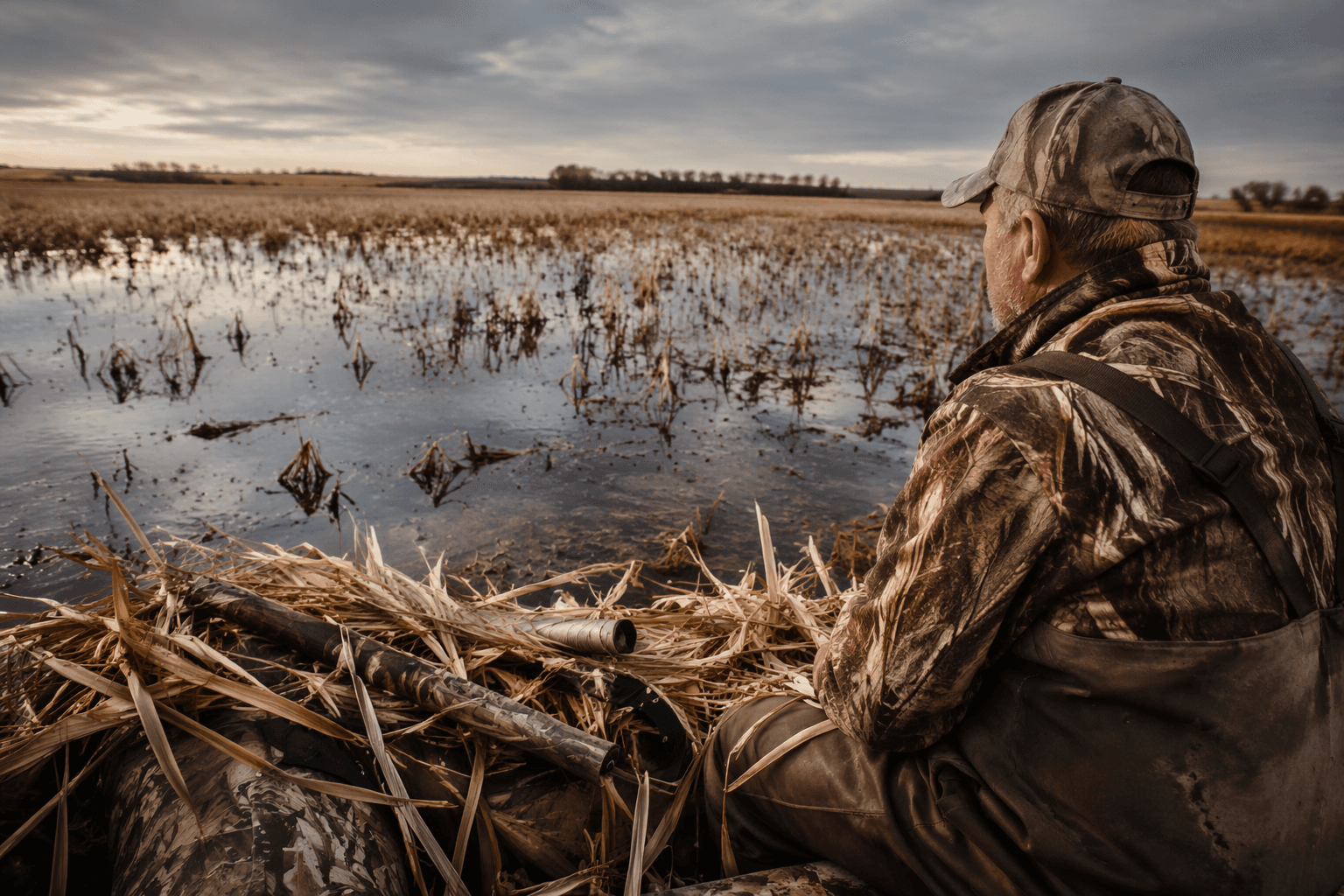
The species breakdown was mixed, but not enough to offset the broader decline. Mallards increased 6.8% from 2025 to an estimated 408,893 birds, yet that total was still 15.3% below the long-term average and the second-lowest since 1993. Blue-winged teal, a major early-season bird, were estimated at 525,163, down 23.4% from 2025 and 26.7% below average. Pintails rose 23.7% and green-winged teal increased 20.9%, while gadwall, wigeon and most diving duck species declined.
That matters locally because the fall hunt around Stutsman County depends on what survives the breeding season and what wetlands hold water into September. A weaker duck base can mean less traffic for Jamestown-area motels, gas stops, cafes and outdoor businesses that see a bump when hunters arrive, while landowners with good wetland and grass cover may draw more attention than usual.

Palarski said the July brood survey will offer a better picture of production heading into fall. For now, current Game and Fish regulations list the 2026 youth waterfowl season and special veteran and active military season for Sept. 19, with the regular resident low-plains opening set for Sept. 26, leaving the next round of survey data to shape expectations for the season ahead.
This article was produced by Prism’s automated news system from verified source data, official records, and press releases, then run through automated quality and moderation checks before publishing. The system is built and supervised by the people who set the standards it runs under. Read our full AI policy.
Did this article answer your question?