North Dakota Faces $20 Million Shortfall in Homeowner Tax Credit Program
North Dakota's homeowner tax credit program is projected to cost $430M this budget cycle, about $21M more than the $408.9M lawmakers set aside.
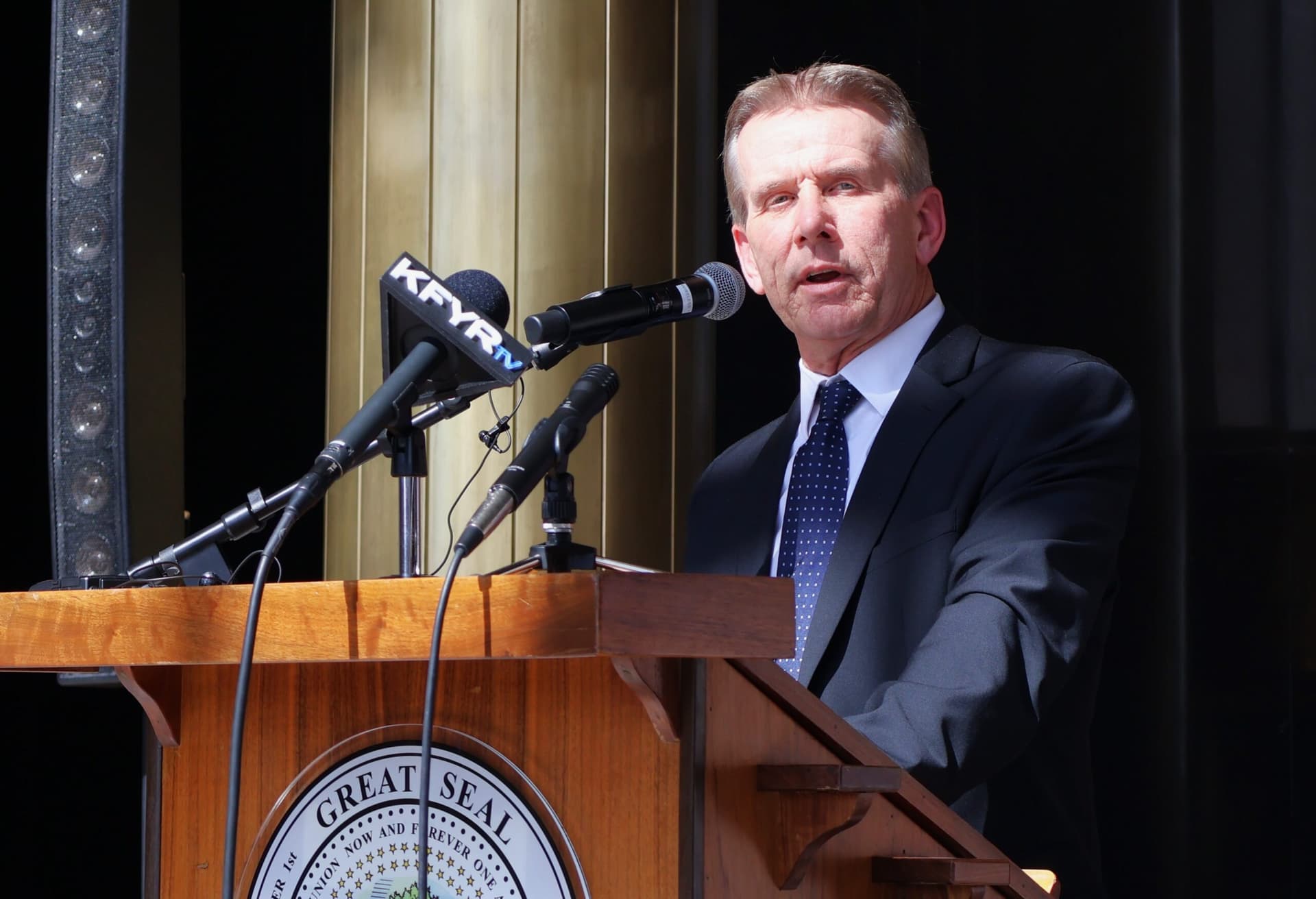
North Dakota's primary residence tax credit program is on track to exceed its budget by roughly $20 million, State Tax Commissioner Brian Kroshus told lawmakers at a recent meeting of the Tax Reform and Relief Advisory Committee, putting pressure on the state to find supplemental funding before the current biennium closes.
The program, which the 2025 legislature funded at $408.9 million for the two-year cycle, is now projected to cost about $430 million, a gap of more than $21 million by the math of the two reported figures, though officials and news coverage have described the shortfall as approximately $20 million. Kroshus said the overrun was no surprise. "That discussion was had during the last session, that I don't think this is enough," he told committee members. "We were given every assurance that if we need to ask for additional funds, they will be found."
Two factors are driving the cost beyond projections. The credit itself grew substantially: created in 2023 at $500 annually, it was increased to $1,600 per household under House Bill 1176, part of a major 2025 property tax relief package. That larger figure drew in applicants who had previously ignored the program. "The $1,600 credit tends to get your attention a little bit more," Kroshus said. The second factor is rising homeownership statewide as North Dakota's housing supply has expanded, adding more eligible households than the state initially counted.
In Stutsman County, about 4,260 residential homes received the Primary Residence Credit for the current tax year, each eligible for up to $1,600 off their property tax bill, according to Tyler Perleberg, the county's Director of Equalization. Applications for the credit opened Jan. 1 for taxes that will be due at the beginning of next year, and the submission deadline is April 1. Perleberg noted that the state is still working through a documentation challenge. "They have been trying to figure out how to document that people haven't moved or changed what is their primary residence," he said. "For now, people have to apply each year."
That annual reapplication requirement is one detail that trips up returning participants. Last year's application does not carry over, and Perleberg said applicants need to update their income figures and medical expenses even if their situation has not changed substantially. "It is the same application as last year but people need to update their income numbers and medical expenses," he said. Forms go to the county for processing, not directly to the state.
Eligibility for the Primary Residence Credit is broadly drawn: applicants must own and occupy the home as their primary residence, but there are no age or income restrictions. Mobile homes, condos, duplexes, and town homes all qualify. A person may claim only one primary residence. Applications for the related North Dakota Homestead Credit and Renters' Refund are also currently open; those programs carry a May 31 deadline and applications are made through the North Dakota Office of State Tax Commissioner. Under the Homestead Credit, people with annual income up to $40,000 receive a 100% tax credit on residential properties valued up to $200,000, while those earning more than $40,000 but less than $70,000 receive a 50% credit. Renters may be eligible for a refund if 20% of their annual rent exceeds 4% of their annual income.
The funding shortfall arrives alongside a separate but related budgetary squeeze: the new 3% annual cap on property tax increases is creating stress for local cities, counties, and school boards trying to cover rising costs. At a March 17 legislative committee meeting in Bismarck, North Dakota League of Cities Deputy Director and Attorney Stephanie Dassinger-Engebretson spoke to the cap's impact on communities. Some local officials have suggested that lawmakers revisit the cap in 2027, either linking it to inflation or carving out exemptions for costs such as public safety, infrastructure, and election expenses.
Whether Kroshus will formally request a supplemental appropriation or tap contingency funds to cover the primary residence credit shortfall has not been detailed publicly, but his assurance to lawmakers that additional money would be found suggests the program itself is not at risk of running dry before the biennium ends.
This article was produced by Prism’s automated news system from verified source data, official records, and press releases, then run through automated quality and moderation checks before publishing. The system is built and supervised by the people who set the standards it runs under. Read our full AI policy.
Did this article answer your question?