Pingree ranch lodge showcases Stutsman County's outdoor appeal
A 90-year Pingree ranch now sells lodging, bison, and hunting access, turning a working farm into a small but real rural business. Its appeal rests on land, wildlife, and a county built for wide-open use.
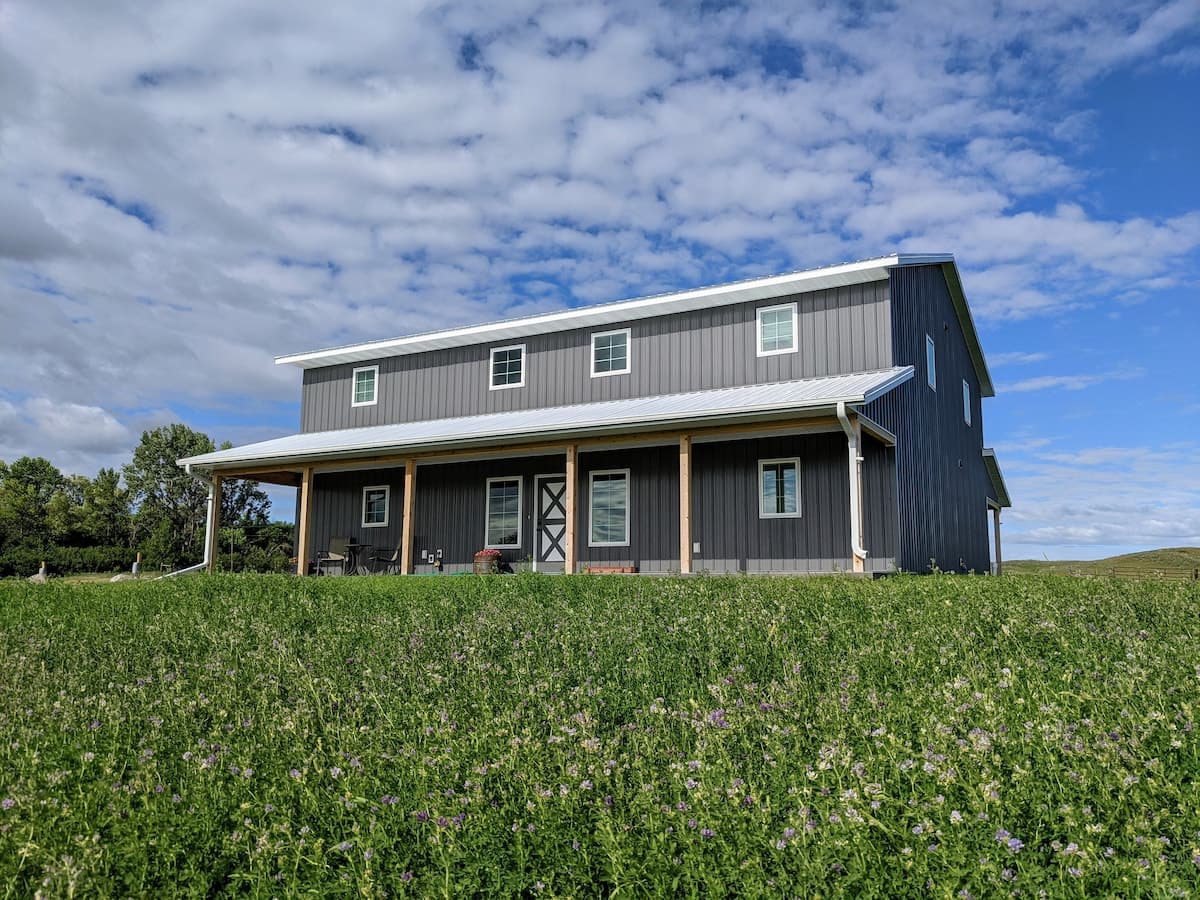
A 90-year ranch near Pingree is now doing more than raising cattle and bison. It is turning prairie land, hunting access, and a rustic lodge into a year-round business.
A working ranch that doubled as a lodge
Bison Ranch Lodge and Outfitters is built around the Krapp family’s third-generation farm and ranch. The family has spent more than 30 years in the bison business and more than 20 years as hunting outfitters, which makes the operation more than a side project and less than a full-scale resort.
The lodge itself was constructed in 2020 and was designed to match the setting rather than erase it. It has five bedrooms and 3-1/2 bathrooms, with reclaimed barn wood, steel, rock, repurposed fixtures, and other materials gathered from area farms and ranches.
The ranch is available by appointment, open during hunting seasons, and open year-round for lodging. That combination gives the business a mixed revenue stream: seasonal hunting traffic, steady overnight stays, and visits to a working buffalo ranch.
Why Pingree fits a ranch-lodge model
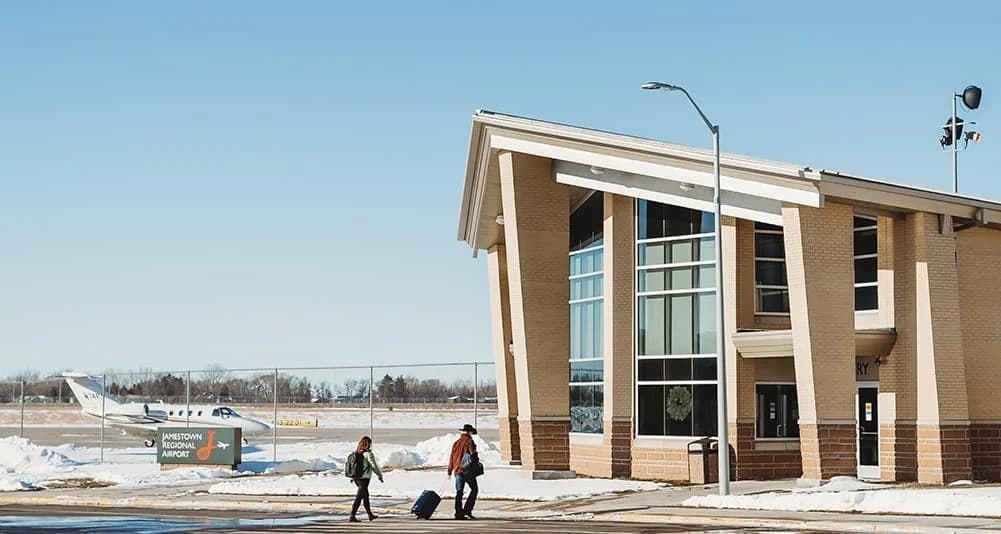
Pingree is a small community, but it sits inside Stutsman County, one of the broadest land-use canvases in North Dakota. The county covers 2,298 square miles and is the second-largest county in the state, with a population of 21,593. Organized in 1873, it is anchored by Jamestown, the county seat at the intersection of Interstate 94 and Highway 281.
In a county this large, a ranch lodge can operate as part of the landscape rather than as an outlier. The distances are big enough, the road network is direct enough, and the land base is broad enough to support a business that depends on open space and hunting habitat.
Alongside Bison Ranch Lodge and Outfitters, the area also includes Manley Lake and Freddy’s Flyers Pheasant Hunting Outfitters. The outdoor draw is a cluster of land-based uses that includes lake access, lodging, and hunting outfitters.
Arrowwood turns the prairie into a wildlife corridor
Arrowwood National Wildlife Refuge, near Pingree, attracts birders, hunters, and people who want to see unbroken prairie. The refuge protects large areas of mixed-grass prairie habitat for waterfowl, shorebirds, sharp-tailed grouse, white-tailed deer, dozens of butterfly species, and other wildlife.
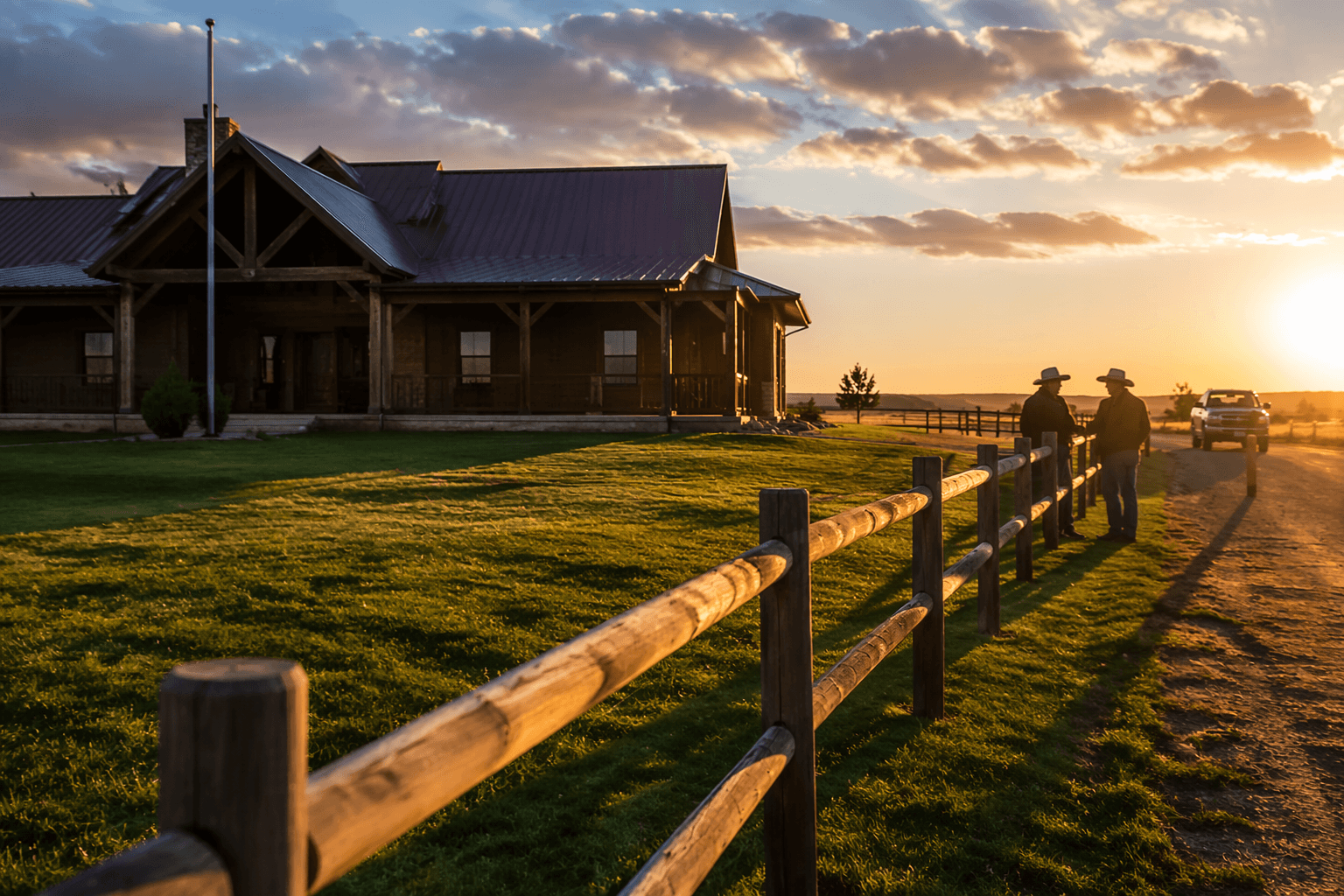
The James River runs through the refuge and forms a series of lakes, giving the area a mix of prairie and water that broadens the appeal beyond hunting alone. That landscape supports the kind of outdoor traffic that can fill a lodge without requiring a major commercial district around it.
North Dakota Tourism lists the state with 63 wildlife refuges, more than any other state, along the Central Flyway migration route. A ranch lodge near Arrowwood can benefit from traffic tied to bird migration, season changes, and habitat.
What this business adds to the local economy
The Bison Ranch model is a diversified farm income strategy. It combines lodging, hunting, and bison production on the same land base, which means the same property can generate revenue from different seasons and different visitor interests. Hunting runs from September through March, while lodging is available year-round, so the business has a built-in way to smooth out the ups and downs that often hit rural enterprises.
Its economic footprint is modest in scale but meaningful in structure. The lodge can create spending on rooms, meals, fuel, supplies, and guiding, and it gives travelers a reason to stop in or route through Jamestown and Pingree rather than pass by on Interstate 94. It is not a high-volume operation that would transform the county tax base on its own. Its value lies more in keeping money tied to land and family ownership than in generating large-scale employment.
A single ranch lodge will not replace agriculture, manufacturing, or public-sector payrolls in Jamestown. But it can add a resilient layer of rural income, especially in a county where open land, wildlife habitat, and long-running agricultural families remain central to the local economy.
How to think about Pingree as an outdoor base
Pingree works as a starting point for a specific kind of stay: a working-ranch visit built around bison, hunting, prairie views, and wildlife watching. The lodge is suitable for small groups, while its location near the Missouri Coteau places it in one of the region’s defining prairie landscapes.
- Tour or stay at the ranch by appointment.
- Use the lodge as a base for hunting seasons that run from September through March.
- Add birding or wildlife viewing at Arrowwood National Wildlife Refuge.
- Connect the trip to Jamestown, the county seat at Interstate 94 and Highway 281, for supplies or an overnight stop.
A practical itinerary centers on the land itself:
This article was produced by Prism’s automated news system from verified source data, official records, and press releases, then run through automated quality and moderation checks before publishing. The system is built and supervised by the people who set the standards it runs under. Read our full AI policy.
Did this article answer your question?