Severe Cold, High Winds Disrupt Travel Across Stutsman County
A hazardous cold snap on December 3 left eastern North Dakota with temperatures well below zero and wind chills near minus twenty degrees, creating dangerous travel conditions across Stutsman County. The National Weather Service forecasts and Department of Transportation reports noted high winds and drifting that affected Interstate I 94 and local roads, and residents were urged to carry emergency supplies and monitor conditions.
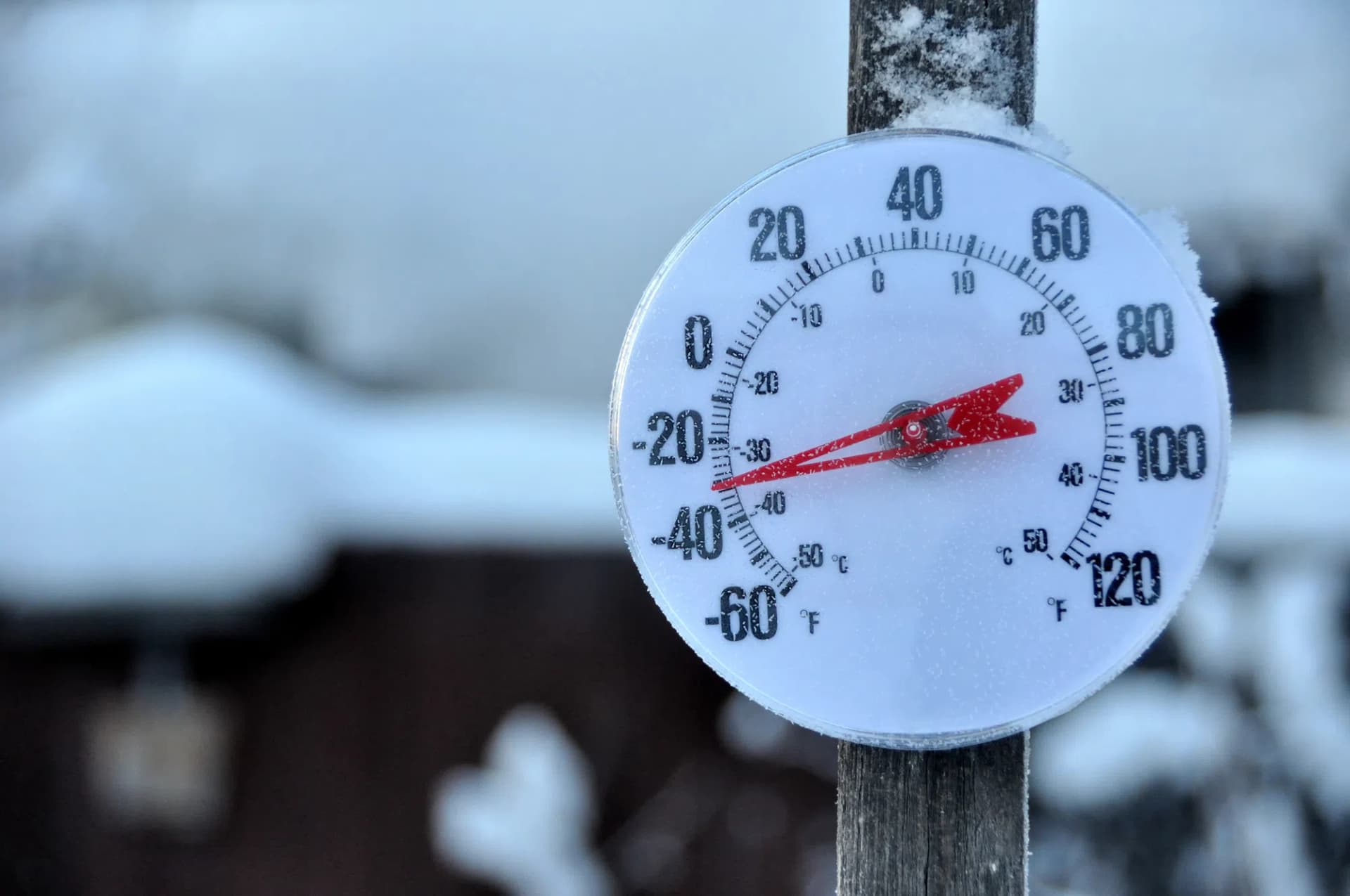
On December 3, intense cold and strong winds combined to produce hazardous conditions across eastern North Dakota, with Stutsman County among the areas hardest hit. National Weather Service forecasts called for temperatures well below zero and wind chills near minus twenty degrees. Wind speeds reached as high as twenty five miles per hour which, along with morning drifting, disrupted traffic on Interstate I 94 and county roads.
The Department of Transportation listed Stutsman County among the worst impacted areas during the morning period, and travel advisories urged extreme caution. State and local travel bulletins advised drivers to carry emergency supplies in vehicles and to monitor road conditions before departing. Road drifting created localized hazards that slowed plows and reduced visibility on some corridors, complicating routine maintenance operations.
For residents this event underscored the recurring challenges posed by severe winter weather to mobility and public services. Rural households that rely on county roads for access to health care, employment and essential goods face elevated risk when drifting and low temperatures coincide. Emergency responders and road crews must balance route priorities across a large geographic area, which can delay service to outlying townships and affect response times.
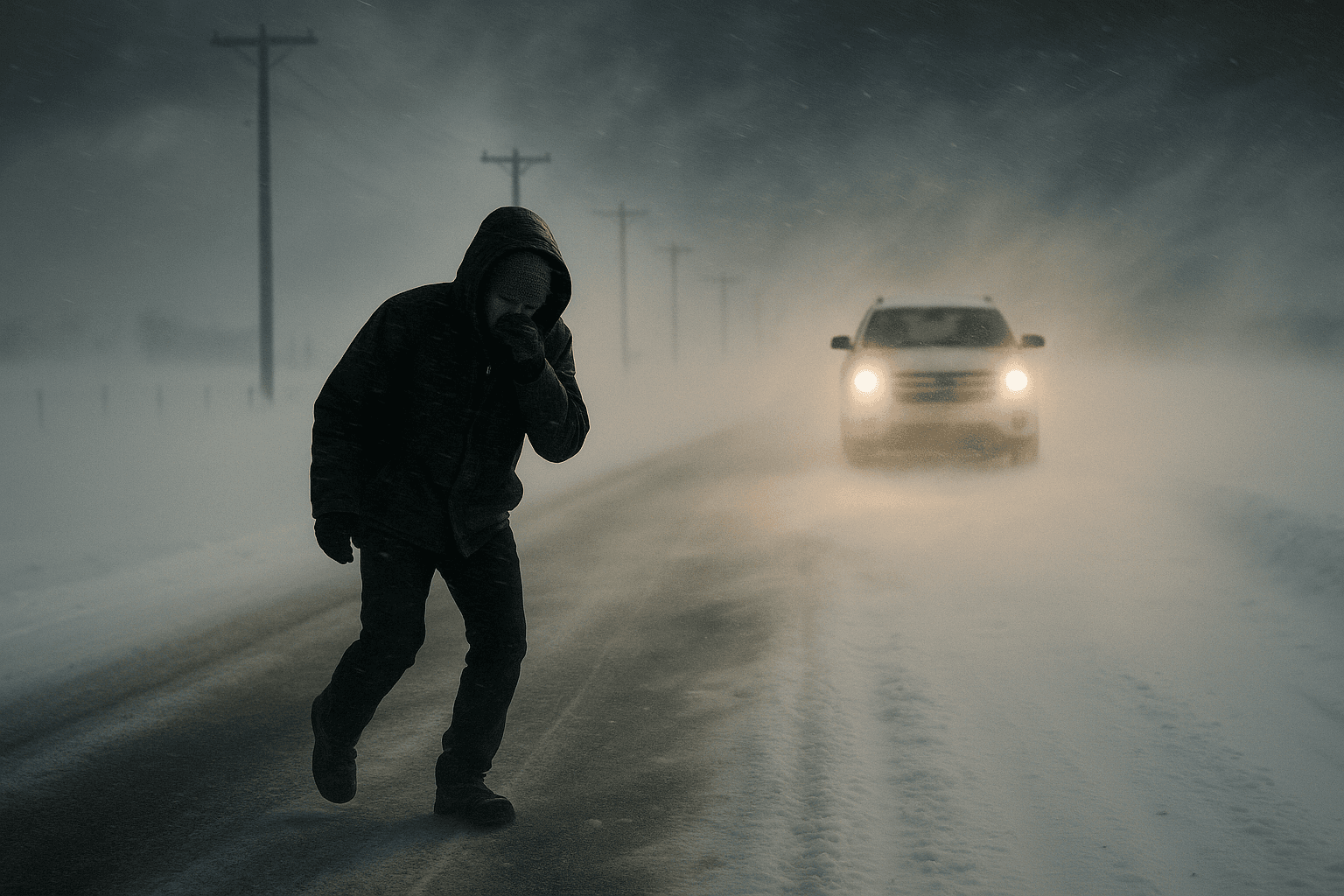
The episode highlights policy and institutional issues that local officials should address in planning for future storms. Investment in additional equipment, mutual aid agreements with neighboring counties, and targeted communication strategies for rural populations can reduce the human and economic costs of extreme winter events. Maintaining up to date emergency supply recommendations and ensuring consistent dissemination of road condition information are practical steps that can increase resilience.
As winter progresses, county leaders and residents will need to weigh budgetary trade offs between routine maintenance and surge capacity for severe events. Accurate forecasting, timely alerts and clear guidance on travel safety remain critical to protecting public safety and preserving the functioning of transportation networks across Stutsman County.
This article was produced by Prism’s automated news system from verified source data, official records, and press releases, then run through automated quality and moderation checks before publishing. The system is built and supervised by the people who set the standards it runs under. Read our full AI policy.
Did this article answer your question?