Stutsman County court roundup includes deferred sentences, marriage records
A deferred sentence in North Dakota can end with dismissal and a sealed file, and Stutsman County’s courthouse roundup also marked new marriage records.
A deferred imposition of sentence in North Dakota can end with a case dismissed and the file sealed, which is why Stutsman County’s latest courthouse roundup mattered beyond the docket itself. It tracked both the criminal side of the courthouse and the quieter record of couples starting new family chapters.
North Dakota Rule 32.1 says that when a judge defers sentence and probation is completed, the guilty plea must be withdrawn or the guilty verdict set aside, the case dismissed, and the file sealed. The state has authorized deferred imposition of sentence since 1947, and the rule cited by the North Dakota Court System took effect March 1, 1999, before being amended effective August 1, 2021. For readers following local accountability, that framework explains how some cases move through the Southeast Judicial District without ending in the sort of permanent conviction record many people assume.

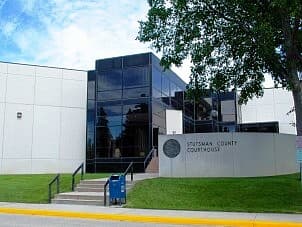
The Stutsman County Courthouse in Jamestown houses the Southeast Judicial District Court and Juvenile Court, while Jamestown Municipal Court operates separately at the Stutsman County Law Enforcement Center. County courthouse rules also remind visitors about parking, accessibility and restrictions on electronic devices, backpacks, hats, food and drink, details that shape how ordinary court business is handled in public view.
The marriage-license side of the roundup carried its own public value. Stutsman County requires both parties to apply together in person at the courthouse, bring photo ID and know their Social Security numbers. The fee is $65 cash, North Dakota has no waiting period, and the license must be used within 60 days. Once issued, a North Dakota marriage license may be used anywhere in the state.
The county also requires extra paperwork from applicants who were previously married. A certified divorce decree or death certificate must remain on file with the application. Marriage records from 1925 to the present are handled through the state’s vital-records system, while older records are kept in the State Archives, and certified copies must be issued by the county where the license was originally purchased and filed.
That mix of legal records and marriage records showed the courthouse functioning as a daily ledger of county life. Around the same weekend, early voting began in Stutsman County on June 1, and the 1883 Stutsman County Courthouse State Historic Site hosted a Decoration Day ceremony on May 30, underscoring how the courthouse remains a working center for both civic administration and community memory.
This article was produced by Prism’s automated news system from verified source data, official records, and press releases, then run through automated quality and moderation checks before publishing. The system is built and supervised by the people who set the standards it runs under. Read our full AI policy.
Did this article answer your question?