Stutsman County drainage study nears completion, scope expanded through May
Stutsman County added $40,000 to a drainage study as officials weigh where Crystal Springs water could be sent next and what it would cost.
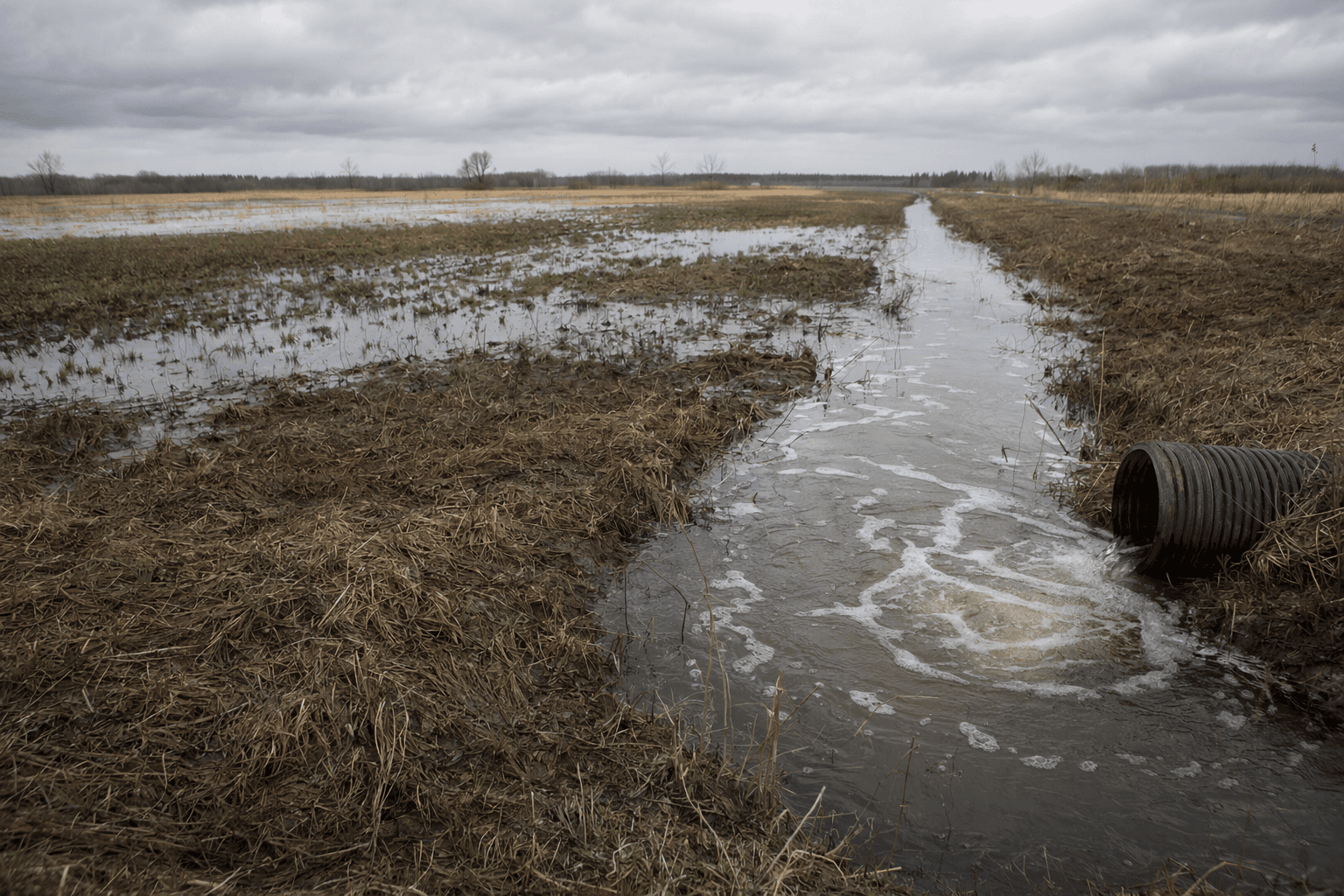
Water that has pooled around Crystal Springs Lake for decades is still forcing Stutsman County to plan for a bigger fix, with officials now widening the scope of a feasibility study that could shape roads, farm drainage and downstream impacts across a broad stretch of the county.
The county commission approved a $40,000 budget increase for the study, bringing the total to $262,000. Under the new split, the state would cover $18,000 and the county would pay $22,000 if the North Dakota State Water Commission approves the request in June. County leaders are still working toward a report that could be ready by the end of May, even as Houston Engineering’s Mike Gunsch said the study had been extended to July.
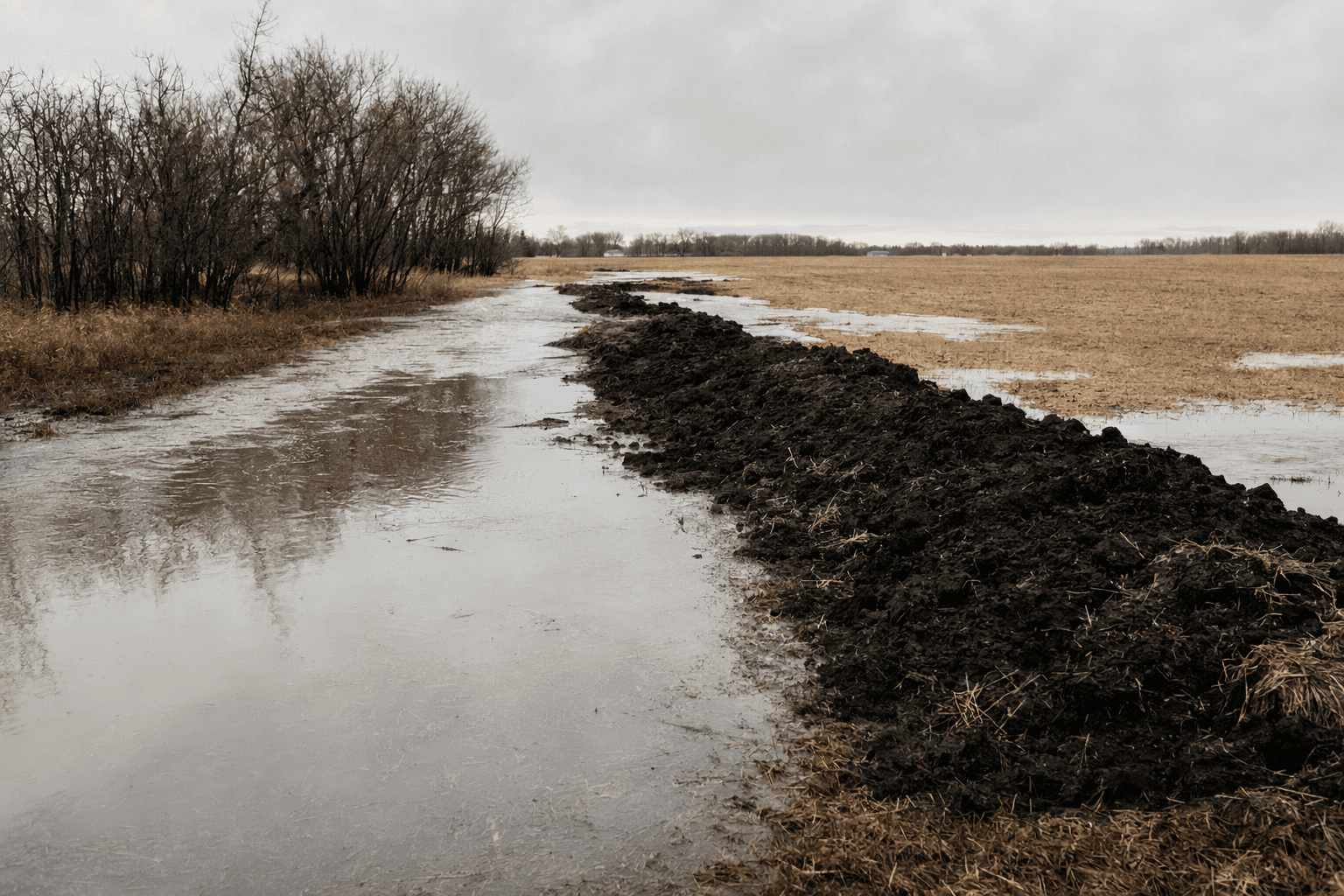
That extra time is meant to answer a basic question with expensive consequences: where should excess water go? The study is now looking at possible outlets west to the Missouri River, north to Wells County and east toward Pipestem Creek. Gunsch said the work will also examine groundwater influence, because the rising lake levels cannot be explained by surface water alone.
For landowners and road officials, the stakes are practical. Stutsman County’s Crystal Springs Watershed Initiative says the rising water has been an issue for several decades and has already affected Interstate 94 inundation near Crystal Springs and east of it. County officials also sent a letter to Kidder County to address downstream concerns, saying culvert capacity is being assessed and that major roadway modifications are not expected.
The county says the study is weighing benefits, regulatory issues, potential costs, available grants and other water-management options. That makes the project more than an engineering exercise. If a final route is chosen, it could change how water moves across a watershed of about 250 square miles, with consequences for drainage, access and flood protection in places that have lived with the problem for years.
The Crystal Springs Watershed Initiative has posted steering committee minutes from 2024 and 2025, showing the project has moved through a series of meetings rather than a single vote. For now, the county is still buying time and information, hoping the next report will show whether a long-standing water problem can finally be pushed toward a workable solution.
This article was produced by Prism’s automated news system from verified source data, official records, and press releases, then run through automated quality and moderation checks before publishing. The system is built and supervised by the people who set the standards it runs under. Read our full AI policy.
Did this article answer your question?