Stutsman County Parks and Trails Offer Outdoor Recreation for All Residents
Stutsman County's parks and trails are open to all — here's where to go, who manages them, and how to get involved in shaping their future.
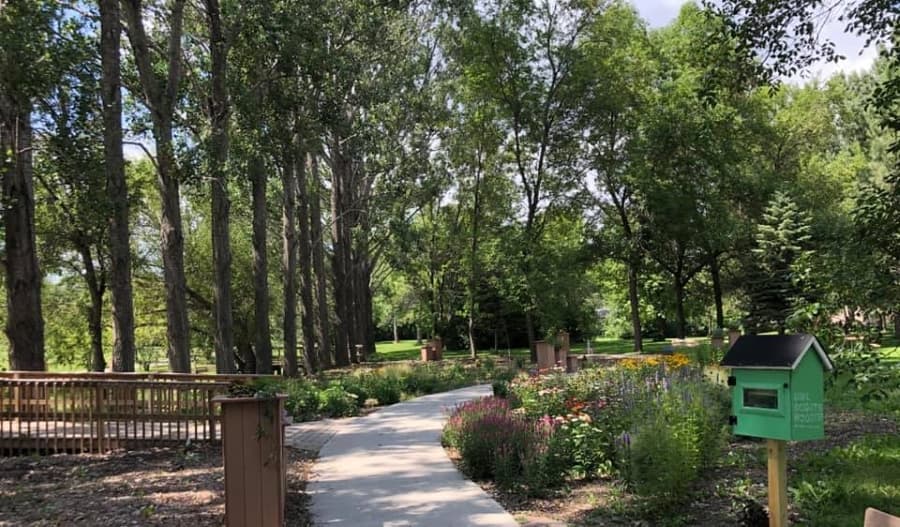
Stutsman County sits at the geographic heart of North Dakota, and its parks and trail systems reflect something that matters deeply to the communities anchored around Jamestown: the idea that outdoor space belongs to everyone. Whether you're a first-time visitor to a county green space or a longtime resident looking to deepen your involvement, understanding how these resources are managed and accessed makes all the difference.
Who Manages Stutsman County's Parks and Trails
Stutsman County oversees its parks and trail network through county-level administration, meaning the people making decisions about these spaces are locally accountable and directly reachable by residents. This distinction matters. County-managed parks operate differently from state or federally administered lands, with budgets, maintenance priorities, and access rules set closer to home. If a trail needs repair or a park facility is in disrepair, the path to getting it addressed runs through county government, not a distant agency.
For Jamestown-area residents specifically, that local management structure creates a real opportunity: the people who decide how these spaces are funded and developed are the same people you see at city council meetings and county commission sessions. Engaging with that process is not just possible, it's encouraged.
Where to Find Parks and Trails in the Jamestown Area
The parks and trails serving Stutsman County residents are concentrated in and around Jamestown, the county seat and its largest population center. This clustering makes outdoor recreation genuinely accessible to a significant share of the county's population without requiring long drives or specialized equipment.
Knowing where specific trailheads begin, where parking is available, and which parks connect to walking or cycling routes helps you plan outings efficiently. County resources and local signage typically mark entry points, but first-time users benefit from checking current maps or contacting county offices before visiting less familiar sites. Seasonal conditions in North Dakota, including late spring snowmelt and early fall freezes, affect trail surfaces and park accessibility throughout the year, so timing matters.
Using County Parks and Trails Safely
Outdoor recreation in Stutsman County comes with the same considerations you'd expect anywhere in the northern Great Plains: weather changes quickly, and preparation is the most important safety tool available. A clear afternoon in March can shift within hours, particularly on open trail segments without natural windbreaks.
A few practical points worth keeping in mind before you head out:
- Dress in layers appropriate for the season, with particular attention to wind protection in exposed areas
- Let someone know your planned route and expected return time, especially on longer or more remote trails
- Carry water even on shorter outings, as hydration needs in cold weather are often underestimated
- Check trail conditions with county parks staff or local recreation groups before visiting after heavy rain or snowfall
- Yield to other trail users and follow posted guidelines at park facilities to keep shared spaces welcoming
These aren't just general precautions. They reflect the specific environment of east-central North Dakota, where the landscape is open, distances between services can be significant, and weather is a genuine variable rather than a background concern.
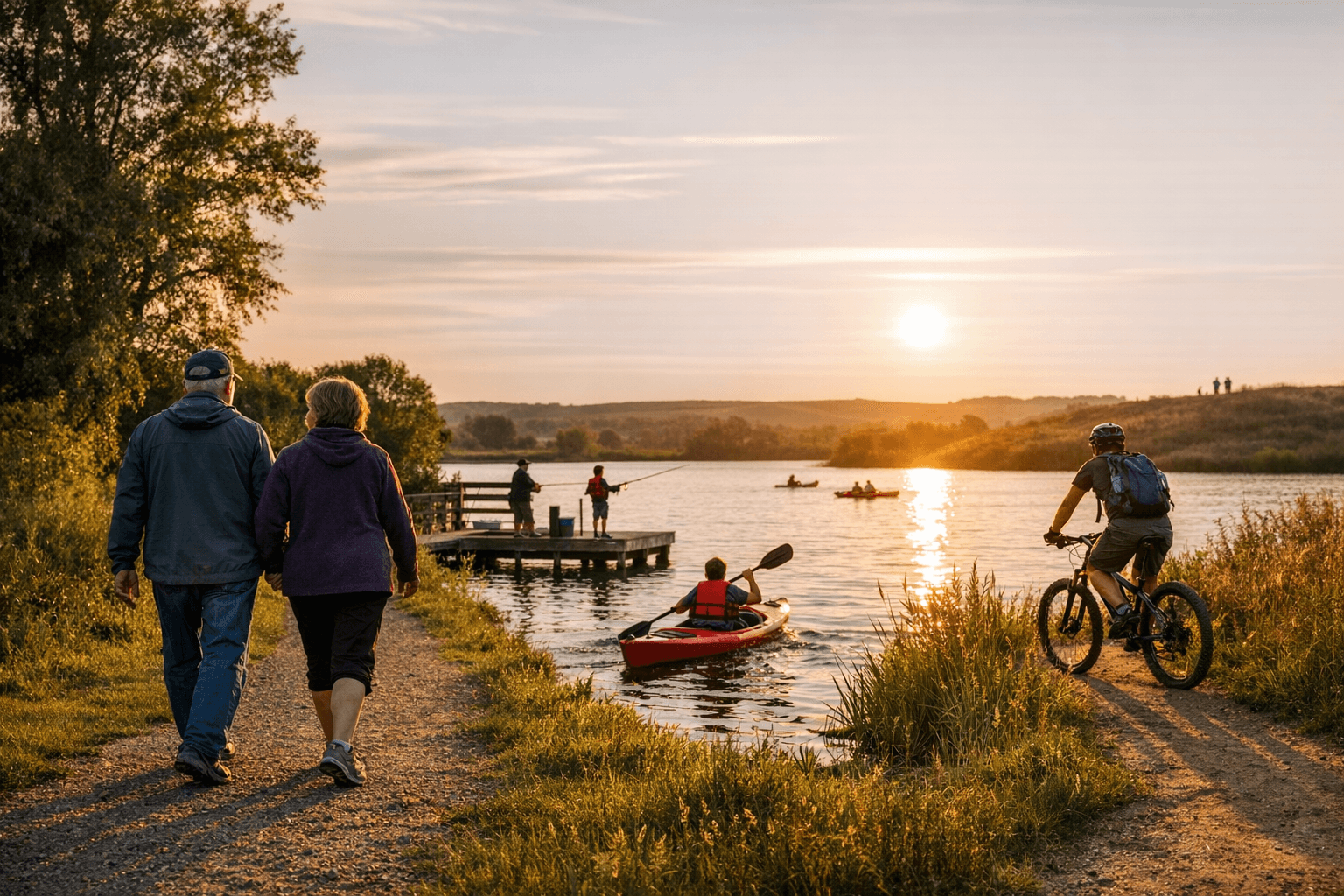
Volunteer Groups and Community Engagement
One of the most meaningful ways to connect with Stutsman County's outdoor spaces is through the volunteer organizations that support them. Community-driven groups have long played a role in trail maintenance, park improvements, and advocacy for expanded recreation infrastructure. Their work fills gaps that county budgets alone cannot always address.
The most significant recent development in this space is the formation of the Stutsman County Trail Builders Association, a new organization focused on expanding and improving the county's trail network. The Trail Builders Association represents a concrete opportunity for residents who want to do more than use the trails: to help build and shape them. Whether your interest is in physical trail work, fundraising, advocacy, or connecting with others who share a commitment to outdoor access, the association offers a way in.
Volunteer involvement in parks and trails also carries a broader civic value. When residents invest time in these spaces, they develop a stake in their long-term health and funding. That grassroots connection often translates into stronger community support when parks budgets come before county commissioners, or when trail expansion proposals need public backing.
Why Accessible Outdoor Recreation Matters for All Residents
Outdoor recreation is not a luxury amenity reserved for a specific demographic. Parks and trails in Stutsman County serve families with young children, older adults maintaining mobility and independence, people managing chronic health conditions, and everyone in between. Access to green space and walking infrastructure has well-documented links to physical and mental health outcomes, and in a county where healthcare resources require careful stewardship, preventive benefits carry real weight.
The framing of these spaces as serving "all residents" is worth taking seriously. Accessible trail design, affordable or no-cost park entry, and proximity to residential areas all shape who actually uses outdoor recreation infrastructure. As the Trail Builders Association and county managers look toward future development, those equity considerations belong in the planning conversation from the start, not as an afterthought once design decisions are already made.
Getting Involved
If you want to take a more active role in Stutsman County's parks and trails beyond recreational use, the Trail Builders Association is the most direct current entry point. Connecting with county parks administration is another avenue, whether to report maintenance issues, attend public meetings, or simply learn more about what projects are in the pipeline.
The outdoor spaces around Jamestown are a shared asset. The organizations working to maintain and grow them depend on the kind of sustained community participation that keeps volunteer efforts alive beyond initial enthusiasm. Showing up once is a start; becoming a regular contributor is what builds a trail system that lasts.
This article was produced by Prism’s automated news system from verified source data, official records, and press releases, then run through automated quality and moderation checks before publishing. The system is built and supervised by the people who set the standards it runs under. Read our full AI policy.
Did this article answer your question?