Stutsman County parks offer three distinct outdoor experiences for visitors
Stutsman County’s parks fit different outings: Parkhurst for horse camping, Sandy Beach for quiet lake time, and Jamestown Reservoir for full-service family weekends.
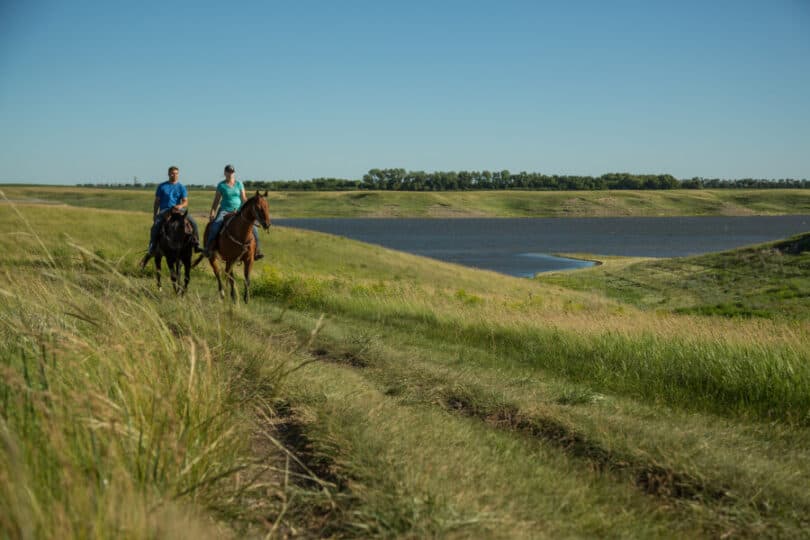
Stutsman County’s park system works best when you choose the right lake for the right kind of day. Parkhurst at Pipestem Lake, Sandy Beach at Spiritwood Lake and Jamestown Reservoir each serve a different crowd, from horse campers and trail users to families wanting a swim beach and RV hookups. The county Park Board, which includes all five county commissioners and two appointed members, meets at 8:30 a.m. on the first and third Tuesday of each month at the Stutsman County Courthouse in Jamestown, with fewer meetings in the off-season.
Parkhurst at Pipestem Lake: the county’s horse-friendly prairie stop
Parkhurst is the best fit for a simple, low-key outing that still needs room to spread out. The county describes it as a natural prairie setting covering about 134 acres, just 4 miles north of Jamestown and easy to reach from U.S. Highway 52 and 281. That location makes it a practical stop for day visitors who want to get on and off the lake quickly without the bustle of a larger recreation area.
The site is built around flexibility. It has boat docks and ramps, picnic sites, shelters, vault toilets and a dump station, along with first-come, first-served camping. Group shelters are available for $10 per night, a price point that keeps the park accessible for family gatherings, riding groups and small community outings.
Parkhurst is also the clear county option for people hauling horses. It has six parking pads designed for horse trailers, plus corrals and tethers for horses. A primitive trail allows mountain biking and hiking, so the park can handle a mix of riding, pedaling and walking without trying to be a full-scale resort.
Sandy Beach at Spiritwood Lake: the quieter, lower-cost choice
Sandy Beach is the park to pick when the goal is water access without much noise or expense. Visitors can boat, fish, swim and primitive camp overnight at no cost, which makes it the most budget-friendly option in the county system. For families or small groups that want a quieter lakeside base, that combination is hard to beat.
The park’s setting around Spiritwood Lake gives it a calmer profile than Jamestown Reservoir. Nearby Shady Cove and Spiritwood Resort add a fuller-service campground and a restaurant-lounge, so people can pair a rustic county stay with more amenities if they want to stay in the area longer. That makes Spiritwood Lake useful both for quick overnights and for travelers who want a softer landing than a large campground.
Sandy Beach matters because it widens access. In a county where some recreation sites are built for bigger crowds and bigger rigs, this lake offers a lower-density option that still gets people on the water and under the stars.
Jamestown Reservoir: the full-service lake for busy weekends
Jamestown Reservoir is the heavyweight in the county system and the easiest place to go when the trip needs everything at once. The county calls it Stutsman County’s largest public use area, with 2,095 surface acres and 45 miles of shoreline. Prairie views, wooded draws, a peninsula near Jim River Bay and an island near Lakeside Campground give the reservoir a more varied landscape than the county’s smaller lakes.
The facilities are built for volume. Jamestown Reservoir has seven boat ramps, numerous picnic areas, two swimming beaches, two campgrounds, 335 campsites, 110 RV hookups and two dump stations. The east side adds more than two miles of asphalt trails, the Outdoor Wildlife Learning Site and the Little Britches Fishing Pond for young anglers, which makes the reservoir especially strong for family outings that need multiple activities in one place.
The federal recreation page also describes the reservoir as open seven days a week, with overnight camping, water and electric hookups, boat rental and a concession. It lists pike, walleye, crappie, bluegill, smallmouth bass, muskie and bullhead among the fish species found there. North Dakota Tourism adds that benches line the trails, the island is used for day activities like picnicking, shore fishing and volleyball, and the trail system is suited to walking and biking.
For RV travelers, Jamestown Reservoir is the county’s most accommodating base. For anglers, it offers the widest fish mix. For families, it combines beaches, trails, campsites and boat access in one place.
Why the county’s lake system is not one-size-fits-all
The distinctions matter because these lakes were built for different uses and different levels of intensity. Parkhurst is compact and prairie-oriented, with horse-trailer pads and primitive trail use. Sandy Beach is the low-cost, low-density choice. Jamestown Reservoir is the large, busy, full-service destination that can absorb a weekend crowd without losing its recreational variety.
That structure also reflects how the county handles the property. Recreational use and agricultural leasing at Jamestown Reservoir are administered by the Stutsman County Board of Park Commissioners under an agreement dated August 6, 1954. A federal law in 2018 addressed conveyance of certain federal property around the reservoir, a reminder that the lake’s modern use sits on top of a long public-land history.
The broader recreation landscape around Jamestown
The county’s parks sit within a wider water system that includes Pipestem Reservoir, just north of Jamestown. That separate federal recreation area covers about 820 acres of water and more than 14 miles of shoreline, with yellow perch, northern pike and walleye, motorized boating, primitive camping, a groomed horseback trail and two nature trails. Pipestem Dam was built for flood damage reduction, fish and wildlife enhancement and recreation; construction began in June 1971 and was completed in 1973.
That matters for visitors because Parkhurst sits at Pipestem Lake, while Pipestem Reservoir is a different recreation area. People planning a horse trip, a fishing weekend or a trail day need to know which lake they are aiming for before they load the truck.
Why these parks matter beyond a day at the lake
Stutsman County, organized in 1873, is North Dakota’s second-largest county by area, and its recreation sites are part of the county’s economic and civic fabric. Visitor spending reached $81.15 million in 2023, up 24.4% from 2022, which shows how much local businesses, campgrounds, boat ramps and trail upkeep matter to the broader community.
The county’s parks do more than fill summer calendars. They shape where families gather, where anglers launch, where horse riders camp and where RV travelers stop on the way through eastern North Dakota. In a county built around open water and wide prairie, the smartest trip starts with choosing the lake that matches the day.
This article was produced by Prism’s automated news system from verified source data, official records, and press releases, then run through automated quality and moderation checks before publishing. The system is built and supervised by the people who set the standards it runs under. Read our full AI policy.
Did this article answer your question?