AARP urges Suffolk County to fund senior care and safer streets
Suffolk seniors could get home care, rides to doctors and safer crossings, but 15,692 still live below poverty and 45% have no retirement savings.
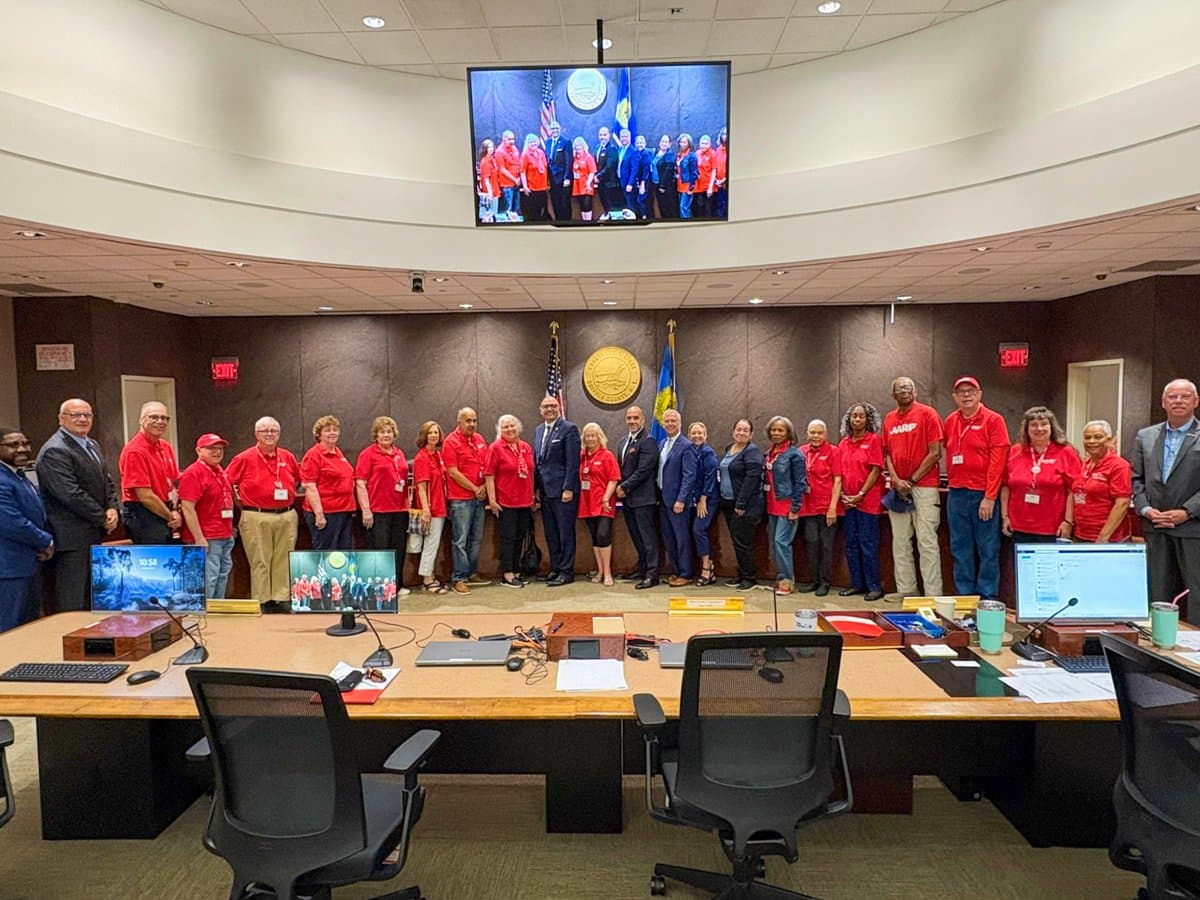
AARP New York pressed Suffolk County lawmakers in Hauppauge to put real money behind home care, transportation and safer streets for older adults, arguing that those investments would help seniors stay independent instead of forcing them into crisis care. The stakes are local and immediate: AARP says 38% of Suffolk County residents are 50 or older, 15,692 seniors live below the poverty line and 45% have no retirement savings.
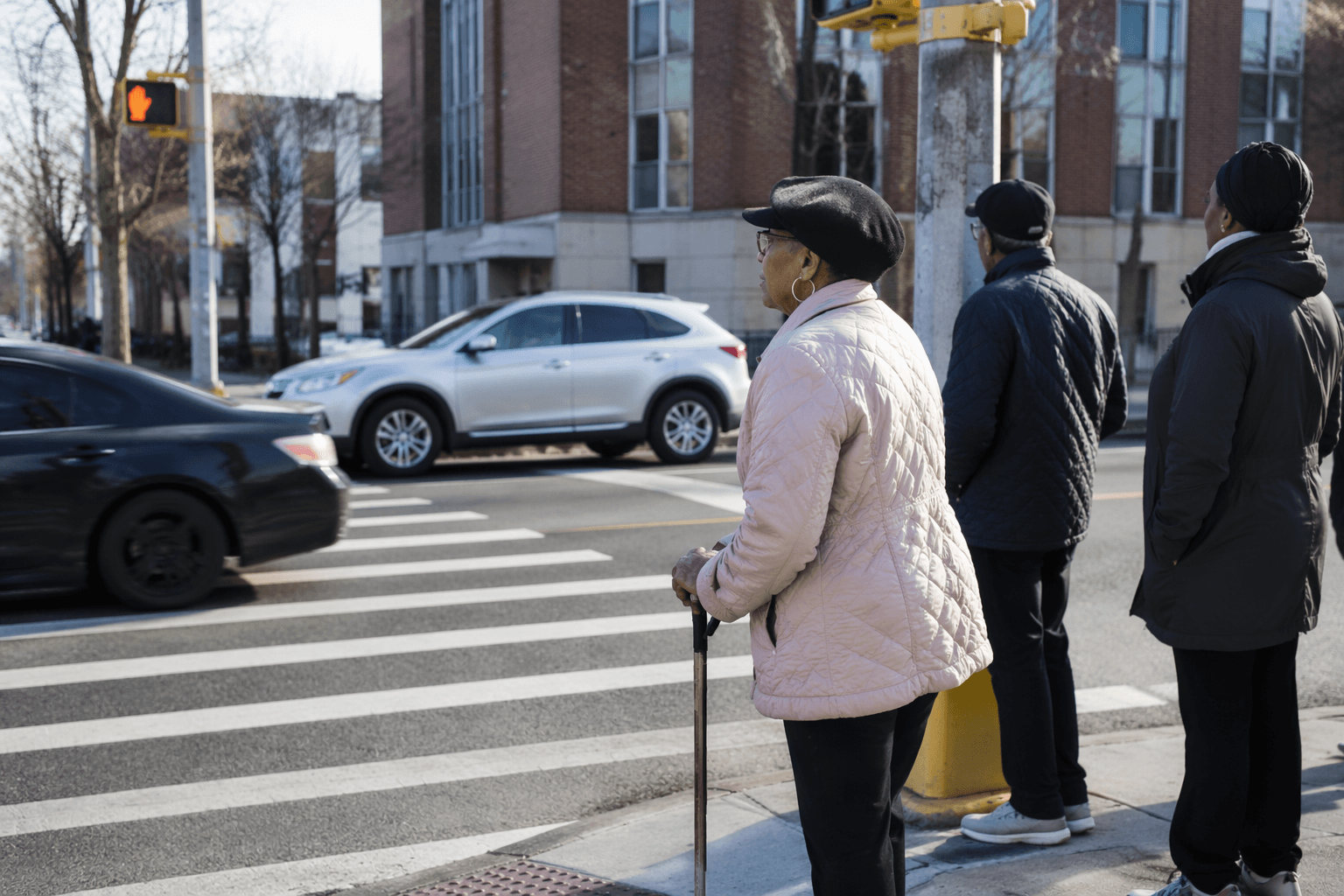
The group’s Suffolk County Blueprint for Action, released March 5, says the county’s aging population is already straining families and public systems. It points to a 48% increase in senior poverty over the past decade and says Suffolk scores below average on transportation, environmental quality and housing opportunities in AARP’s livability materials. That is why the blueprint pushes county officials to fund home-delivered meals, personal care, transportation to medical appointments and a stronger Complete Streets plan that would make roads safer for people walking, biking and using mobility devices.
AARP’s most concrete funding ask is not new. In December 2024, 12 Suffolk County legislators joined 18 Nassau County legislators in signing an AARP-backed letter to Gov. Kathy Hochul seeking an additional $83 million for EISEP and other aging services. The goal was to cut waiting lists for in-home help that can include bathing, toileting, dressing assistance, home modifications and personal response systems. A 2023 state aging-services report warned that some people waiting for help fall, are hospitalized or die before services arrive.

The advocacy also rests on the economics of caregiving. AARP says 97% of Long Island caregivers reported personal expenses, 42% felt financially strained and 76% were working while providing care. Those numbers help explain why the organization is pressing Suffolk to treat senior services as more than a social safety net. For many families, the difference between a meal delivered at home and a trip to an emergency room can be the difference between stability and collapse.
Suffolk County’s Office for the Aging says it has administered federal, state and county programs for people 60 and older for almost 50 years and serves as the county’s designated Area Agency on Aging under the Older Americans Act. That gives legislators an existing system to build on if they decide to match AARP’s blueprint with county dollars.
For now, Suffolk lawmakers have shown they are listening. The test is whether they turn that attention into funding for meals, personal care, rides and safer streets, or leave older residents waiting for help that never quite reaches them.
This article was produced by Prism’s automated news system from verified source data, official records, and press releases, then run through automated quality and moderation checks before publishing. The system is built and supervised by the people who set the standards it runs under. Read our full AI policy.
Did this article answer your question?