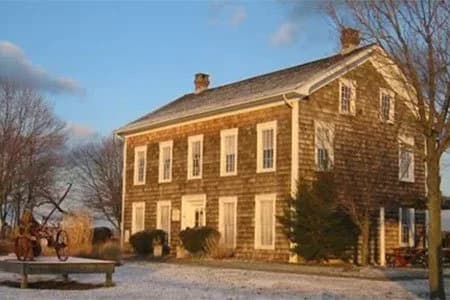
Bayard Cutting Arboretum in Great River traces roots to 1887 design
Bayard Cutting Arboretum began as an 1887 estate landscape in Great River and still shows Suffolk County how design, memory, and preservation meet.
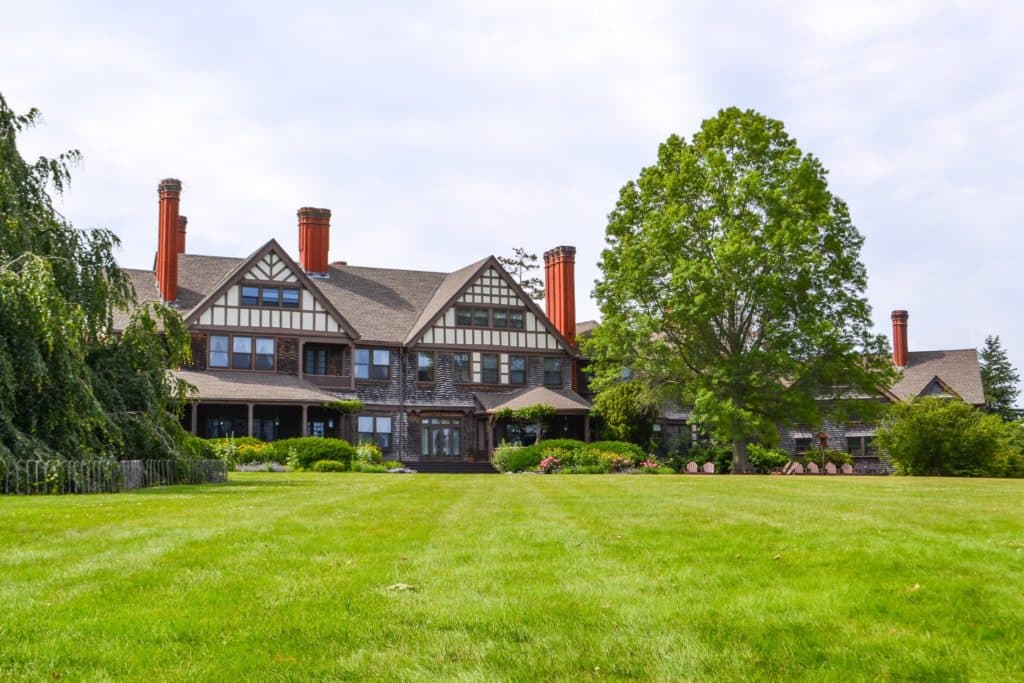
Bayard Cutting Arboretum is one of Suffolk County’s clearest windows into the old Long Island estate era. In Great River, the grounds began taking shape in 1887, with landscape ideas tied to Frederick Law Olmsted helping guide the plan, and the place now carries that design history in public view.
A Suffolk landscape built from an estate vision
The arboretum is not simply open space along Montauk Highway. Its own history materials place the start of development in 1887, and the property’s layout reflects the informal, tree-centered landscape thinking associated with Frederick Law Olmsted. That matters because the site still reads as a designed place rather than a leftover parcel: paths, specimen plantings, and wooded settings are part of the original idea, not an afterthought.
A 2024 New York Almanack piece traced the estate to Westbrook and placed the early work in the late 1880s, which fits the broader Gold Coast pattern that shaped much of Long Island’s South Shore. In Great River, that heritage remains visible in the way the arboretum blends mansion-era formality with a more natural, restorative setting. For Suffolk residents, it is one of the few places where the county’s estate history is not sealed behind a gate or reduced to a marker.
How the property became public
The move from private estate to public landscape gives the arboretum its civic importance. Mrs. William Bayard Cutting and her daughter, Olivia James, donated the property to the Long Island State Park Region in memory of William Bayard Cutting, turning a family memorial into a public resource. That act still shapes how the site is used today: it is a preserved landscape with a personal origin, but one now managed for shared access.
New York State Parks identifies the site as Bayard Cutting Arboretum State Park, and that designation places it squarely within the state park system rather than a private garden or a purely local preserve. ArbNet also lists Bayard Cutting Arboretum in its Morton Register, which places it among recognized arboreta rather than treating it as a generic park. Those labels matter because they confirm that the property is understood, both locally and professionally, as a cultivated collection of trees and plants with a specific public role.
What the arboretum reveals when you walk it
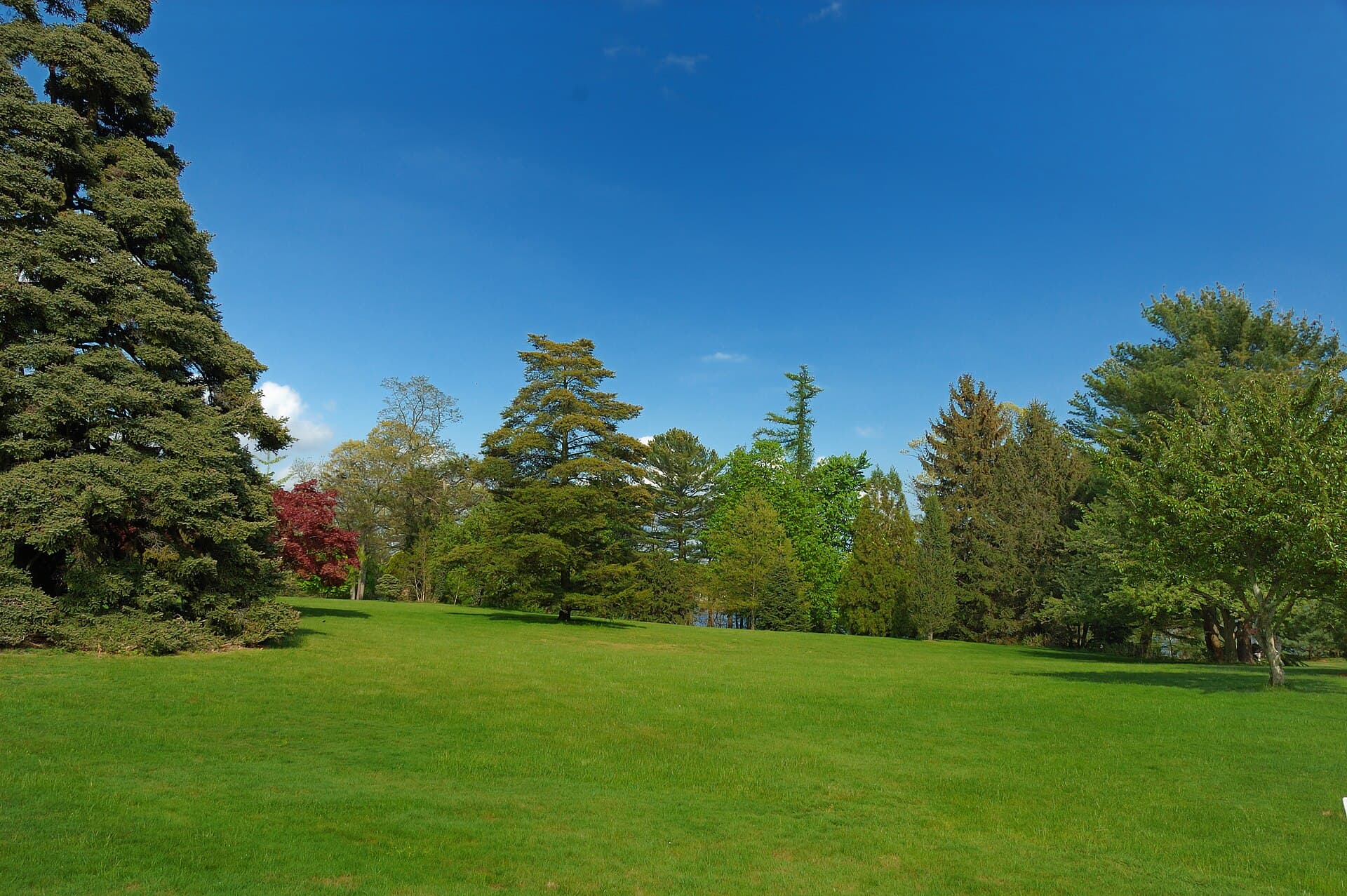
The strongest case for visiting Bayard Cutting Arboretum is what the place shows about Suffolk County’s changing landscape. The grounds offer a mix of historical structure and living collection: specimen trees, woodland paths, and the kind of seasonal change that makes an arboretum different from a standard park. In spring the trees and understory open up; in summer the canopy creates shade; in autumn the collection turns color; in winter the bones of the landscape remain visible.
That year-round character is part of why the arboretum continues to matter to families, walkers, and history-minded residents in Great River and beyond. It offers a setting where local history is not confined to a museum label. The same ground that carries the memory of William Bayard Cutting also reflects the late 19th-century belief that designed landscapes could be restorative, educational, and public-minded at the same time.
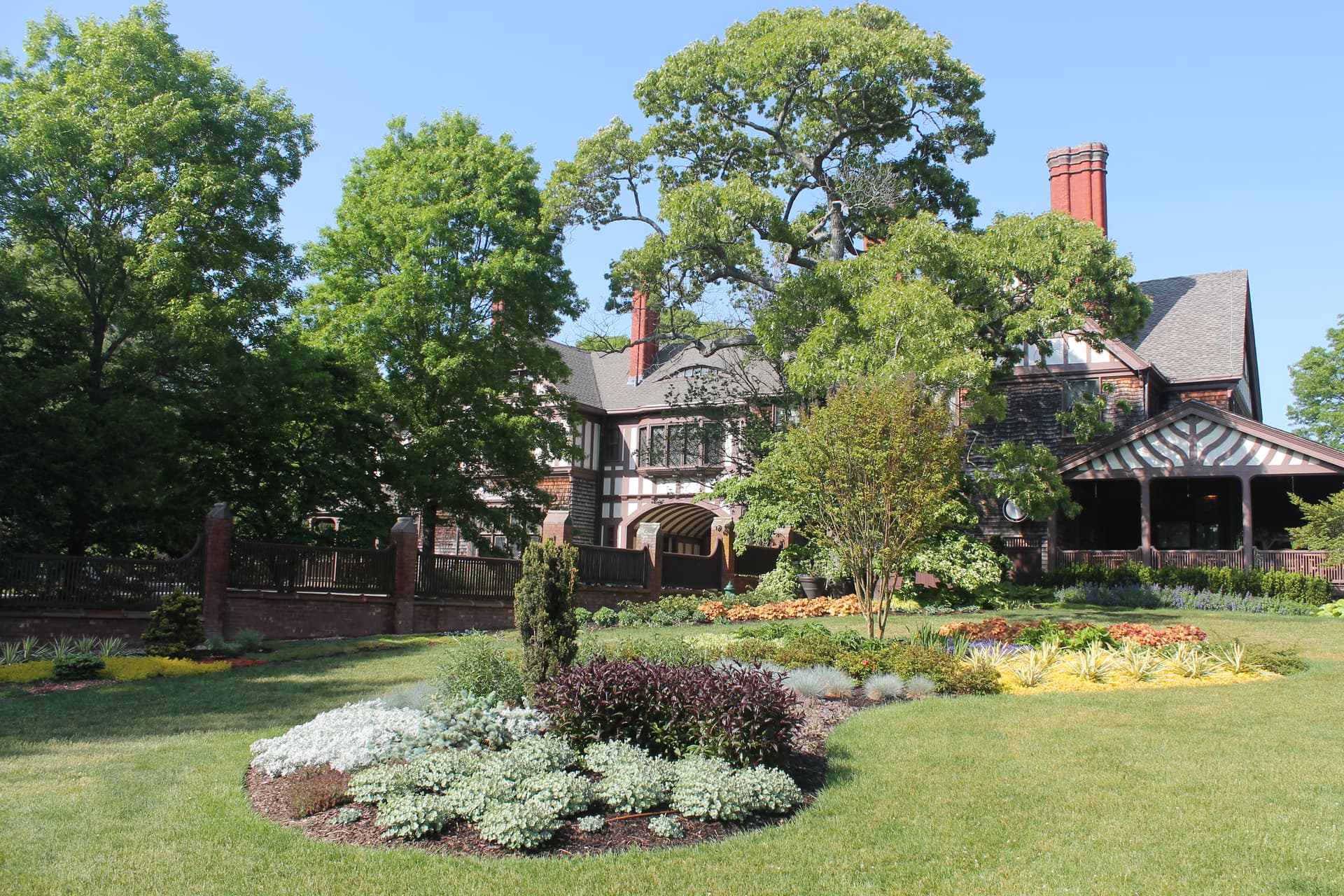
The site’s value is also practical. A place with deep roots in estate design becomes an everyday walking destination, and the arboretum’s grounds provide a way to experience Suffolk’s preserved South Shore without leaving the county’s built-up corridors behind. That combination of access and history is rare enough to make the arboretum more than scenery.
Where to find it and how the visit works
The visitor information is straightforward. Bayard Cutting Arboretum is listed at 440 Montauk Highway, Great River, NY 11739, and its contact page also gives a mailing address of P.O. Box 907, Great River, NY 11739. The FAQ says the arboretum is open Tuesday through Sunday, with hours that change seasonally, so planning a visit means checking the schedule before heading out.
Those details help because the arboretum is not a one-size-fits-all public lawn. It is a state park arboretum with a defined address, set access days, and seasonal operating hours, all of which reflect the care required to maintain a living collection. That structure is part of the experience: the grounds are public, but they are also curated.
For Suffolk County readers, the map point is important. Great River sits in one of the South Shore communities where traces of the estate age still shape the local landscape, and Bayard Cutting Arboretum remains one of the clearest examples of that continuity. It links Montauk Highway, old family memory, and a public park system in a way that keeps Suffolk’s past visible in the present.
Why this place still matters now
Bayard Cutting Arboretum endures because it answers several Suffolk questions at once. What survives from the estate era is not just a house or a name, but a whole designed landscape from 1887 that still structures how people move through Great River. What has changed is the ownership and purpose: the property now belongs to the public, and its historical value is matched by its use as a walking, learning, and tree-focused space.
That is why the arboretum remains one of the county’s most useful landmarks. It preserves a piece of Long Island’s Gold Coast history without freezing it in time, and it lets visitors see how design, memory, and public access can occupy the same ground in Suffolk County.
This article was produced by Prism’s automated news system from verified source data, official records, and press releases, then run through automated quality and moderation checks before publishing. The system is built and supervised by the people who set the standards it runs under. Read our full AI policy.
Did this article answer your question?