Blood Emergency Declared as Donations Fall in Suffolk
The New York Blood Center declared a blood emergency on Jan. 6 after donations dropped sharply over the holidays and during severe winter weather, leaving regional hospital stocks critically low. Suffolk County residents face direct consequences for surgeries, trauma care, and patients who rely on transfusions, and are urged to schedule donations through NYBC scheduling resources to help restore supplies.

The New York Blood Center declared a blood emergency on Jan. 6, citing a nearly 40 percent decline in donations in recent weeks that has left less than a two-day supply of blood for more than 200 hospitals across the tri-state area. The organization attributed the shortfall to a combination of canceled blood drives during severe winter storms, high rates of seasonal illness and the timing of Christmas and New Year’s Day, which it said led to a significant loss of midweek donors and about 10,000 fewer donations than needed.
For Suffolk County, the shortage translates into immediate pressure on hospital capacity for surgeries, emergency care and routine transfusion-dependent treatments. Hospitals rely on a steady flow of donations to cover everything from planned orthopedic and cardiac procedures to trauma care after accidents and ongoing needs for people with blood disorders. A supply under two days reduces flexibility for clinicians and can force difficult decisions about scheduling or transferring patients.
Local community response is already under way. NYBC listed upcoming community blood drives in January at Riverhead-area locations and encouraged residents to schedule donations through NYBC’s scheduling resources. Community-based drives tend to be a major source of local donations, and cancellations during storms and holiday weeks disproportionately reduced midweek participation when many drives are traditionally held.
The emergency underscores broader public health and equity issues. Seasonal disruptions and concentrated cancellations in communities with limited transit options can deepen disparities in who can donate and who benefits from available blood supplies. Low-income workers without paid time off, older donors vulnerable to seasonal illness and residents in more rural parts of the county may face greater barriers to giving blood, widening gaps in the donor base just as demand remains steady.
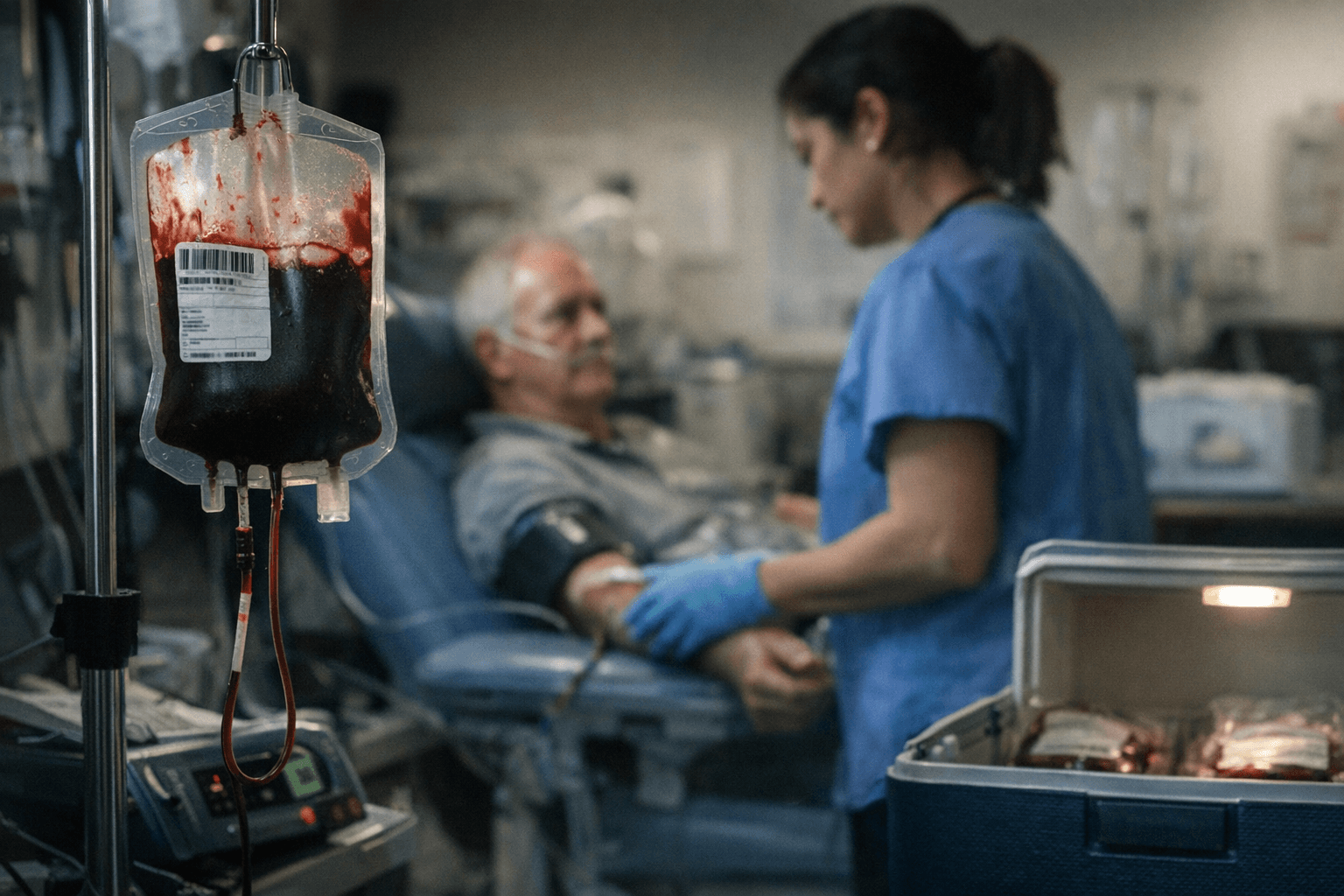
Sustaining a reliable blood supply requires both immediate community action and longer-term policy attention. Employers, schools and community organizations in Suffolk County can support donor recruitment by hosting drives at accessible times and locations, offering paid time off for donors and coordinating with health systems to prioritize regular collections. Public health planning that builds redundancy into the regional supply chain can help buffer future shocks from weather or seasonal disease.
For now, community participation is critical. Residents able to donate are urged to use NYBC scheduling resources to find local appointments and drives. Restoring a safer margin of blood inventory will protect routine medical care and emergency services across Suffolk County while highlighting the importance of equitable access to donation opportunities.
This article was produced by Prism’s automated news system from verified source data, official records, and press releases, then run through automated quality and moderation checks before publishing. The system is built and supervised by the people who set the standards it runs under. Read our full AI policy.
Did this article answer your question?