Stony Brook to host free symposium on tick-borne diseases
Stony Brook will bring tick experts to the MART Building on May 27 as Suffolk tracks Lyme, babesiosis, alpha-gal syndrome and Powassan risk.
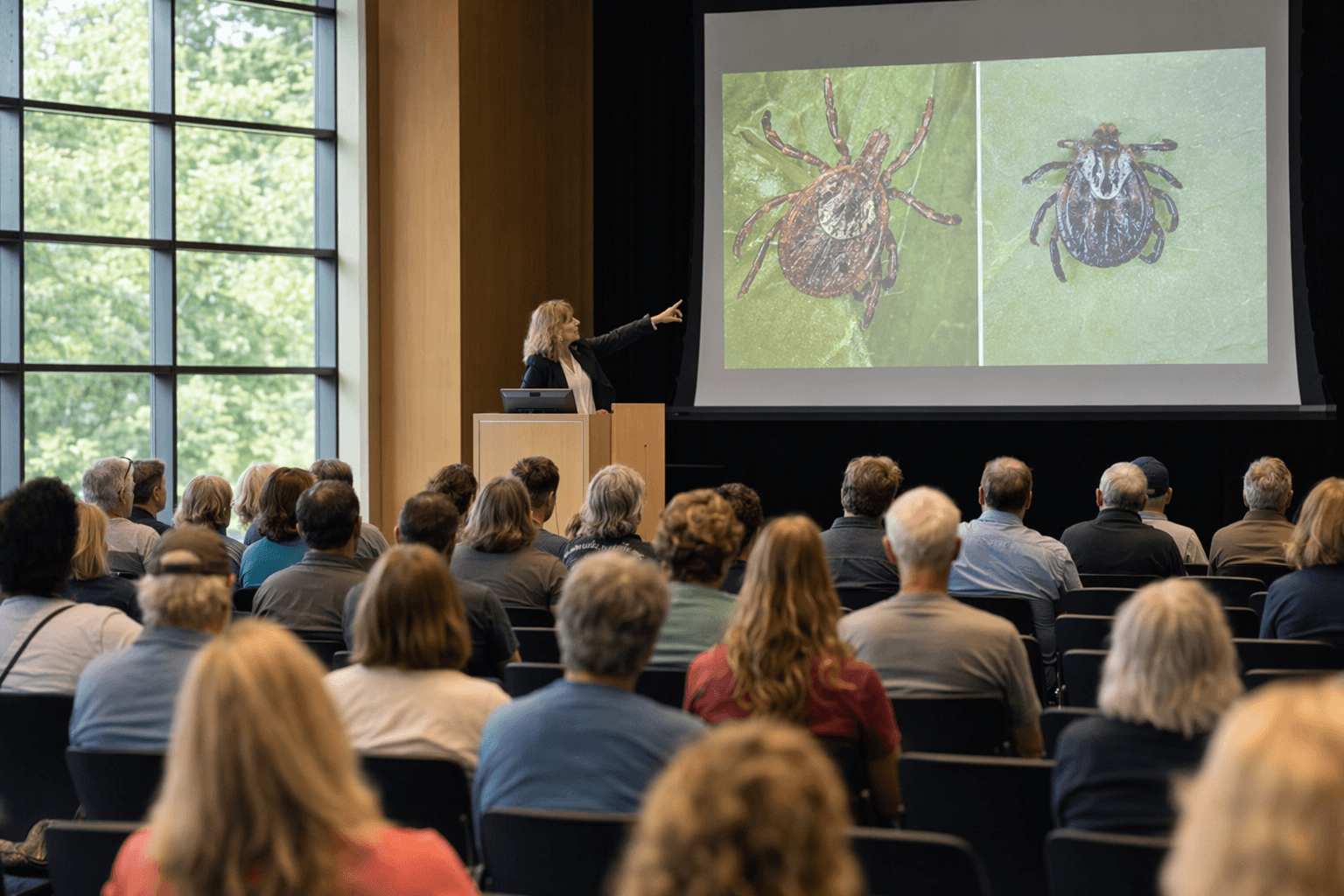
Stony Brook Medicine will host a free public symposium on tick-borne diseases at the MART Building, 1 Lauterbur Drive in Stony Brook, from 8 a.m. to 2:30 p.m. Wednesday, May 27. The event is designed to put local residents face to face with the doctors and scientists watching a disease problem that still hits Long Island hard.
The symposium is open to the public, and breakfast and lunch will be included for those who register. It will offer 4.00 AMA PRA Category 1 Credit Hours and is being co-sponsored by the Renaissance School of Medicine at Stony Brook University’s Departments of Medicine and Microbiology & Immunology. Researchers, clinicians and educators from the Renaissance School of Medicine and Stony Brook Southampton Hospital are expected to discuss recent advances in prevention, diagnosis and treatment.
One of the most urgent topics is alpha-gal syndrome, the meat allergy tied to certain tick bites. New York State says residents are diagnosed with the condition every year, especially on Long Island, where lone star ticks are common. The Centers for Disease Control and Prevention describes alpha-gal syndrome as a serious, potentially life-threatening allergy that can develop after a tick bite, with symptoms usually appearing 2 to 6 hours after exposure to red meat or other alpha-gal-containing products. There is no vaccine to prevent it.
The program will also focus on infections that keep showing up in the region. New York State says babesiosis occurs in the Northeast, including Long Island, and is spread by infected blacklegged ticks. Suffolk County has treated tick-borne illness as a surveillance issue for years, launching its Tick Surveillance Program in 2016 with state health officials. The county collects ticks from each of its 10 townships and studies the pathogens behind Lyme disease, babesiosis, anaplasmosis and ehrlichiosis.
Another threat drawing attention is Powassan virus, a tick-borne disease that can turn severe fast. The CDC says it can cause encephalitis or meningitis, with symptoms including confusion, loss of coordination, difficulty speaking and seizures. About 1 in 10 people with severe disease die. A Stony Brook-linked research summary says the virus is present in about 2% of Long Island ticks and may be transmitted during a bite in as little as 15 minutes.
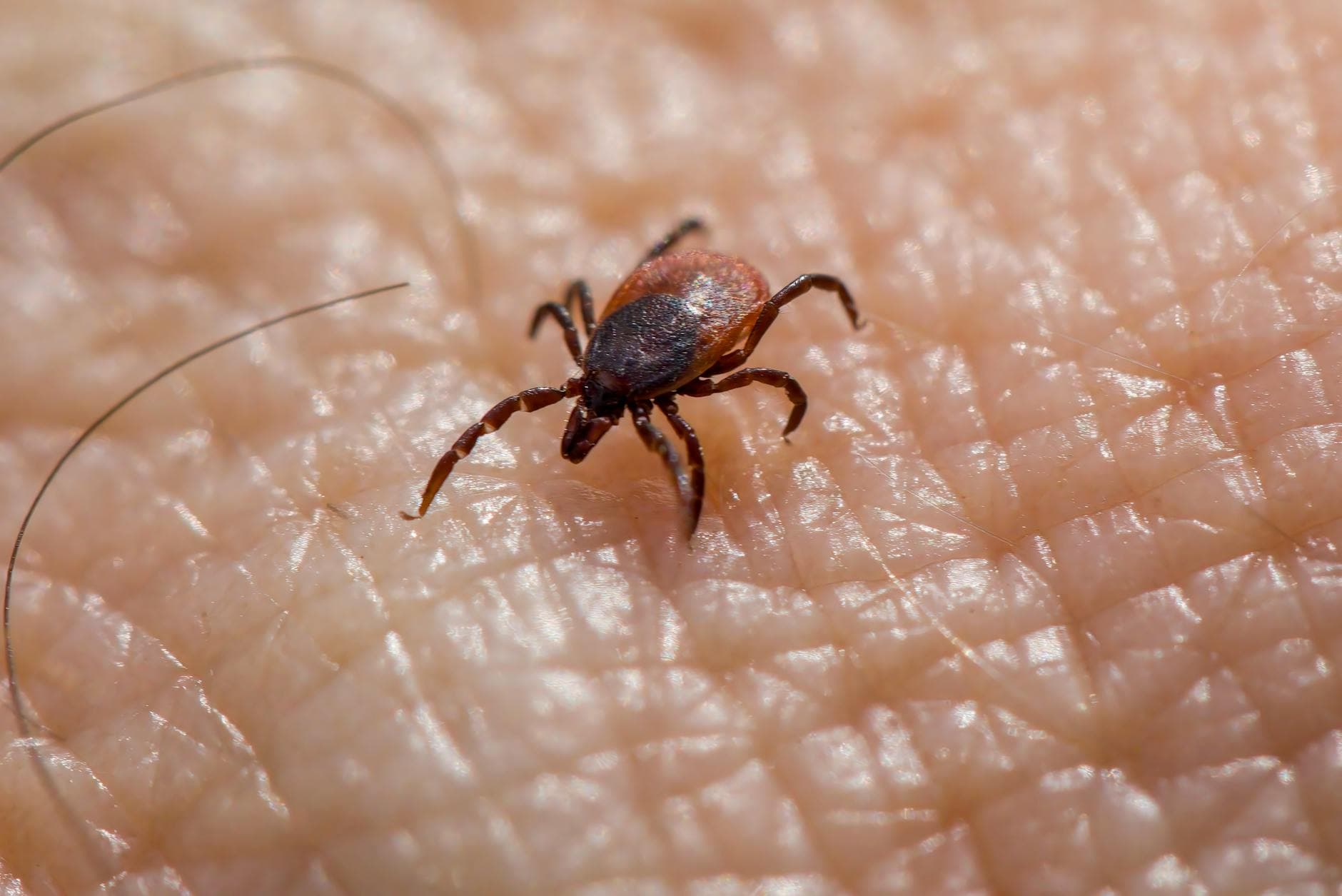
For Suffolk County families, hikers, gardeners and anyone spending time in woods or grass, the symposium puts the warning in plain view: the region’s tick problem is not just seasonal nuisance, but a public-health threat with allergies, neurological disease and persistent local transmission already on the map.
This article was produced by Prism’s automated news system from verified source data, official records, and press releases, then run through automated quality and moderation checks before publishing. The system is built and supervised by the people who set the standards it runs under. Read our full AI policy.
Did this article answer your question?