Boston Tightens Security, Transit and Parking for First Night
Boston installed high security vehicle barriers and increased police, fire and EMS staffing ahead of First Night celebrations, preparing for hundreds of thousands of New Year revelers. The measures affect downtown streets and transit options, and matter to residents because they will change travel, parking, and public safety procedures on New Year Eve.
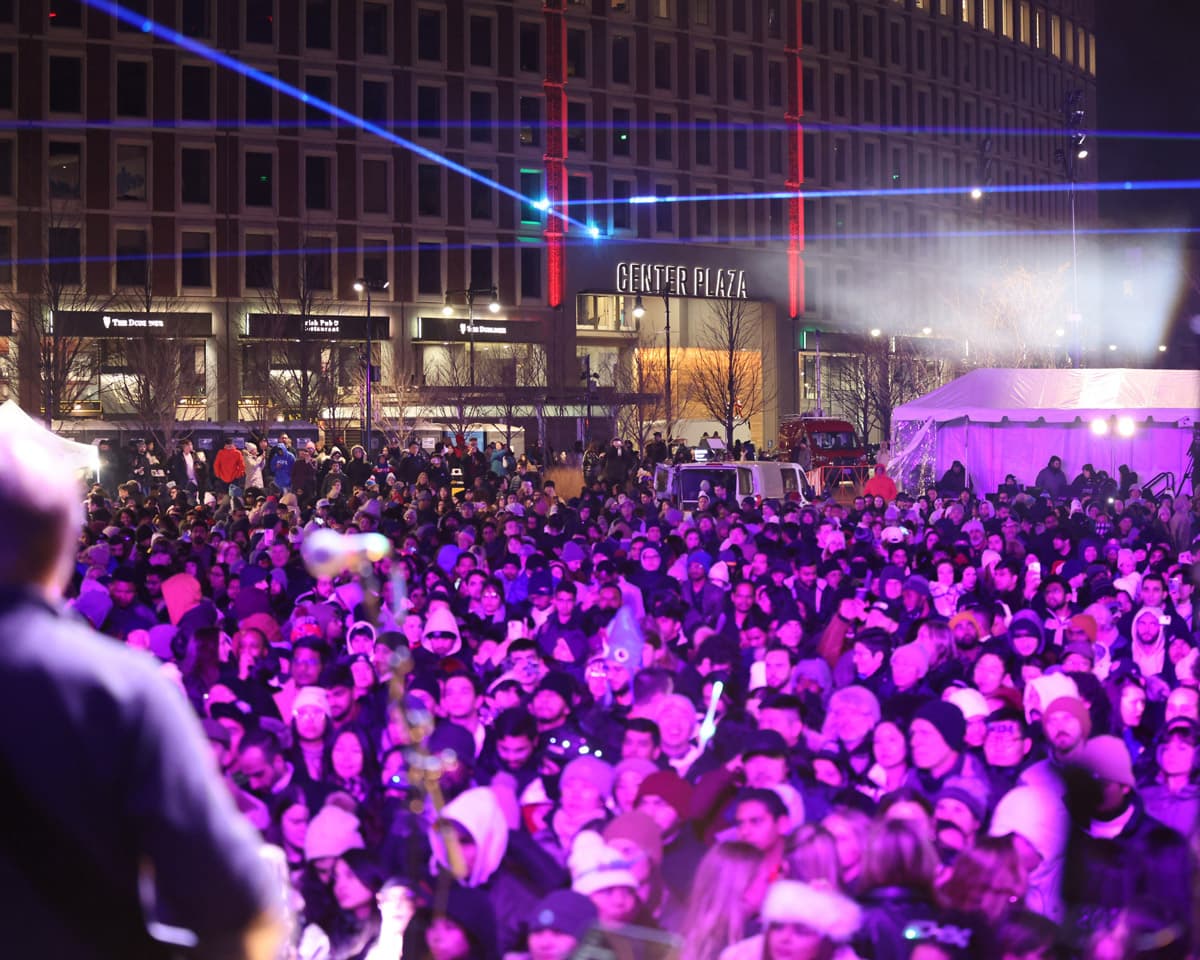
City crews placed high security vehicle barriers on City Hall Plaza and officials stepped up police, fire and EMS staffing as Boston prepared for First Night festivities that will draw large crowds for performances, fireworks, a parade and ice sculptures. The security measures were put in place this week as part of a coordinated effort to manage what city planners and public safety officials expect will be hundreds of thousands of attendees in and around the downtown core.
Boston Police Commissioner Michael Cox said, "We'll have a full complement of police officers working to make sure that all parts of the city are safe." Police are asking the public to remain vigilant and to report anything out of the ordinary. That outreach is part of a broader public safety posture that combines physical barriers, expanded emergency medical coverage, and on the ground officers to manage crowd movement and respond to incidents.
Transit officials urged attendees to use the T, which will run for free after 8 p.m. on New Year Eve and is expected to operate until almost 3 a.m. depending on line conditions. Free late night service and stepped up staffing are intended to reduce automobile traffic near the event footprint and to provide reliable departures after fireworks and performances conclude.
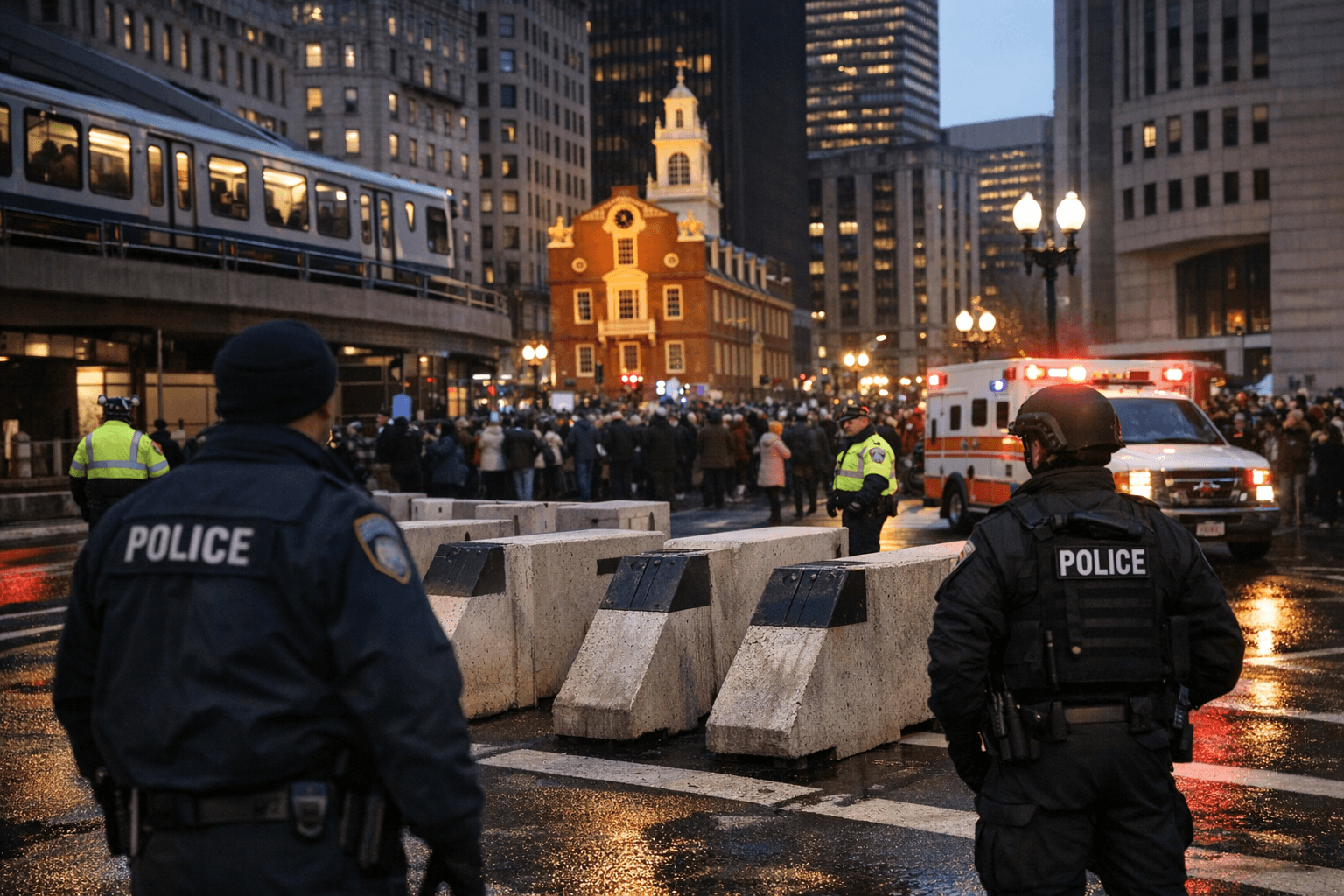
Parking restrictions will begin on December 31 and will affect streets in and around City Hall Plaza and the Public Garden, including Cambridge Street, Beacon Street, Boylston Street, Charles Street and Tremont Street. Drivers should plan alternate routes and allow extra time for trips into and through downtown. The city also announced warming stations and reminded attendees to bundle up, as temperatures are expected to tumble into the teens.
For residents, the measures underscore a trade off between access and security during large civic gatherings. The visible protections aim to prevent vehicle borne incidents and speed emergency response, while free transit and warming stations reflect efforts to maintain public access and reduce street congestion. City officials will be judged in the coming days on their ability to balance crowd safety with preserving the open public character of First Night and ensuring clear communications so residents and visitors can move safely and efficiently.
This article was produced by Prism’s automated news system from verified source data, official records, and press releases, then run through automated quality and moderation checks before publishing. The system is built and supervised by the people who set the standards it runs under. Read our full AI policy.
Did this article answer your question?