Emergency shellfish closure hits Riverhead and Southold waters
Shellfish from three North Fork waterways were shut off immediately, including a 350-yard zone in Great Peconic Bay, after the state flagged marine biotoxins.
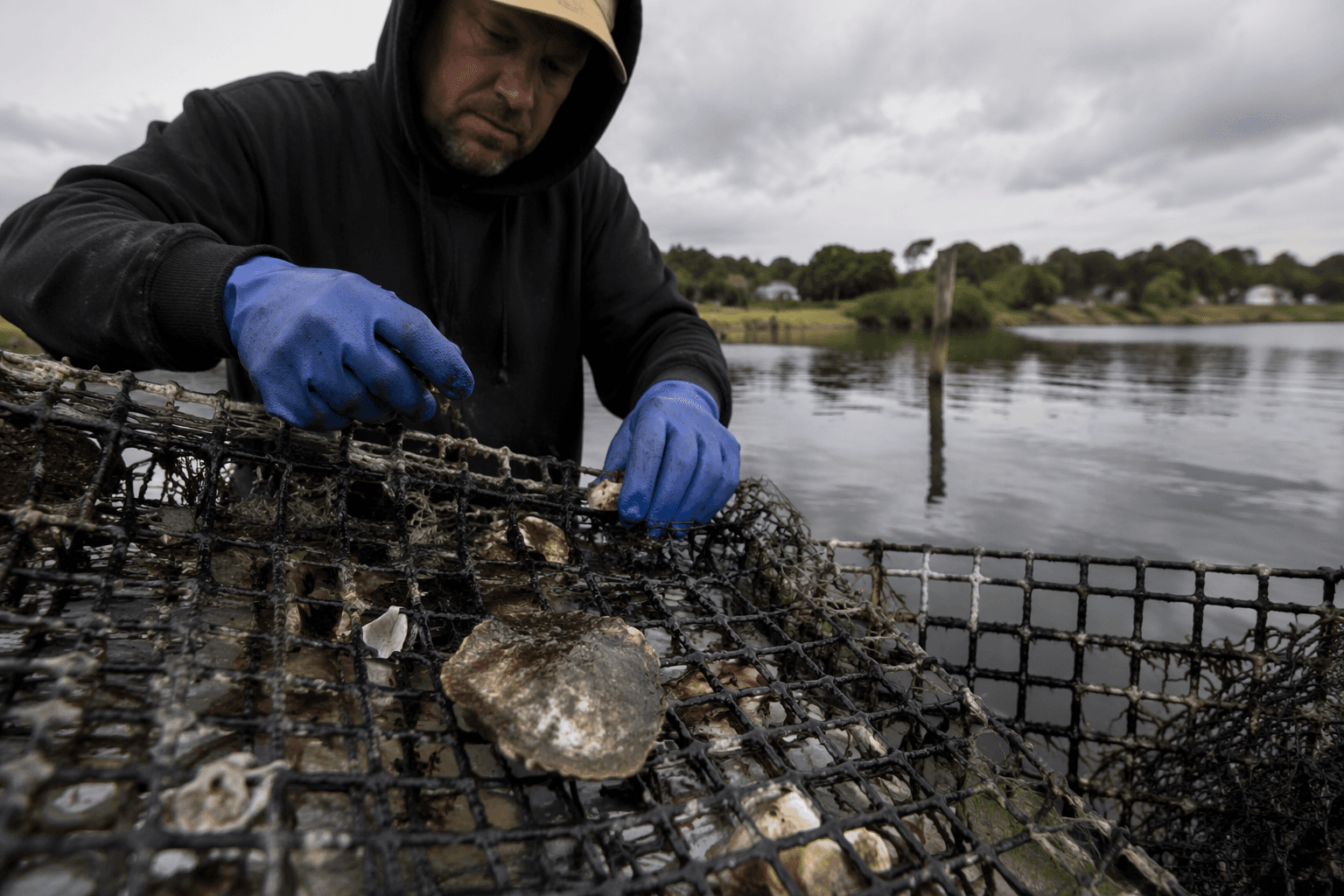
Shellfish from Terry Creek, Meetinghouse Creek and James Creek were pulled from harvest immediately when New York State issued an emergency marine biotoxin closure for parts of Riverhead and Southold. The order also cut off shellfishing in Great Peconic Bay within 350 yards of the easternmost bulkhead corner at the James Creek entrance, forcing growers, dealers and buyers to treat those waters as off-limits at once.
The closure mattered because it was a food-safety action, not just a map change. The state said the emergency designation was tied to the potential presence of marine biotoxins that can make shellfish unsafe to eat. Anyone harvesting, buying or selling shellfish from the affected waters had to stop using product from those areas immediately, while consumers were steered away from shellfish taken from the closed zones.
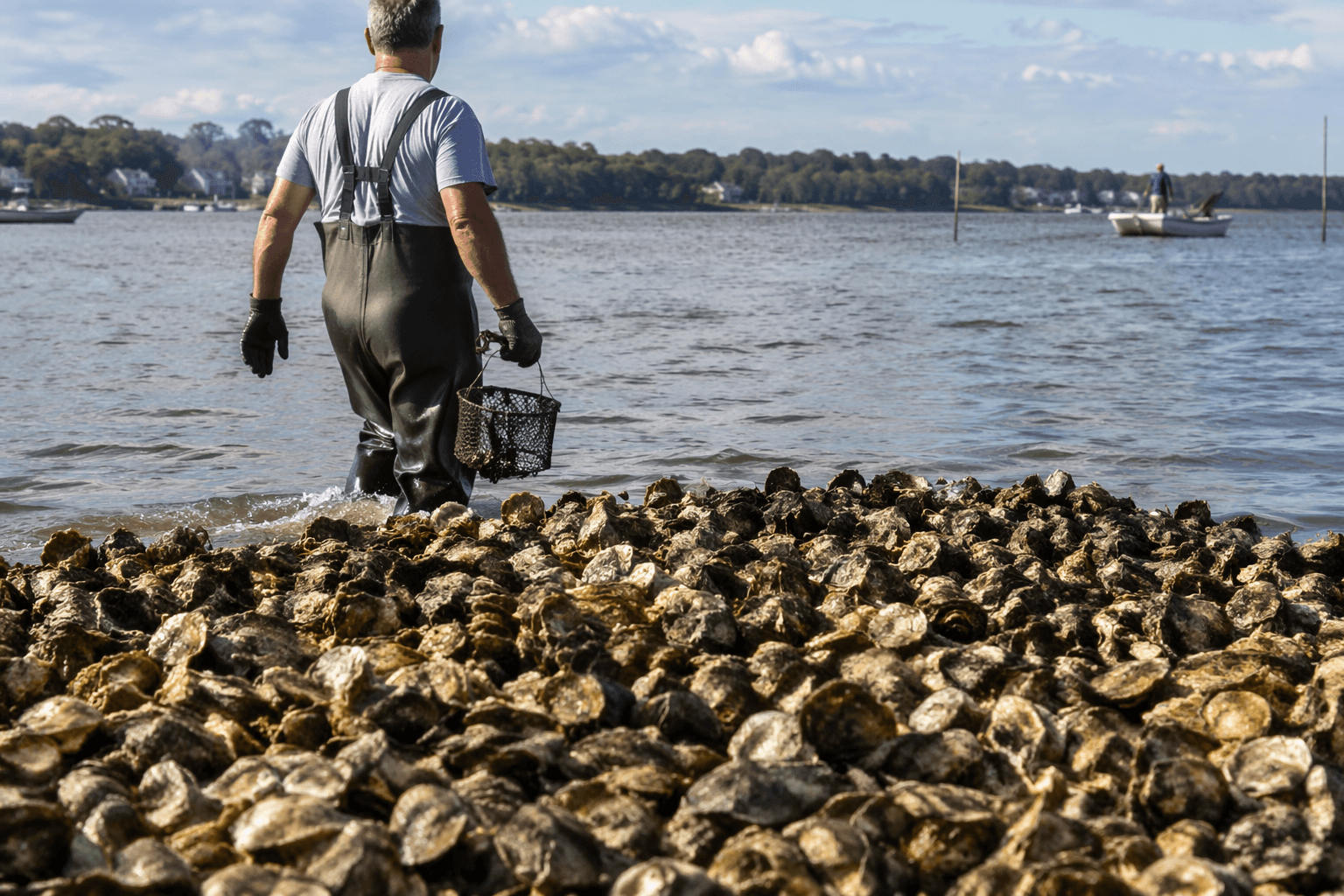
DEC said Terry Creek and Meetinghouse Creek are tributaries of Flanders Bay and are already uncertified year-round for shellfish harvest. That means the Riverhead portion of the emergency order extended an existing restriction, rather than creating a brand-new limitation in those creeks. James Creek in Southold was included in the emergency closure, along with the surrounding Great Peconic Bay buffer.
For the North Fork seafood trade, the ripple effect goes beyond the shoreline. Shellfish closures can disrupt dockside income, complicate restaurant sourcing and shake buyer confidence even when the closure is temporary. DEC’s shellfishing guidance says temporary closures are used when conditions threaten water quality, while regulatory closures are based on annual water-quality analysis and year-round monitoring. In practice, that means emergency closures can arrive quickly and leave little time for businesses to shift plans.
The risk was underscored by a similar DEC action on April 20, 2023, when mussels from Meetinghouse and Jockey Creeks tested positive for saxitoxin, the marine biotoxin that causes paralytic shellfish poisoning. That closure covered about 1,495 acres in Flanders Bay and another 92 acres in Town and Jockey Creeks, and DEC said it would reopen those areas as soon as laboratory results allowed.
For anyone checking whether local shellfish can move again, DEC directs the public to its shellfish closures hotline at (631) 444-0480 for the most current emergency closure information. On the East End, where shellfish is both a business and a signature of place, the closure showed how quickly a water-quality warning can reach the table.
Know something we missed? Have a correction or additional information?
Submit a Tip