Emerson Colonial Theatre Marks 125 Years as Community Anchor
The Emerson Colonial Theatre reached its 125th anniversary at the end of December, celebrating a long run as Boston’s oldest continuously operating theatre and a launchpad for shows that later moved to Broadway. Its survival after a 2015 threat to convert the space into a dining hall underscores the venue’s value to local culture, community cohesion, and equitable access to the arts.
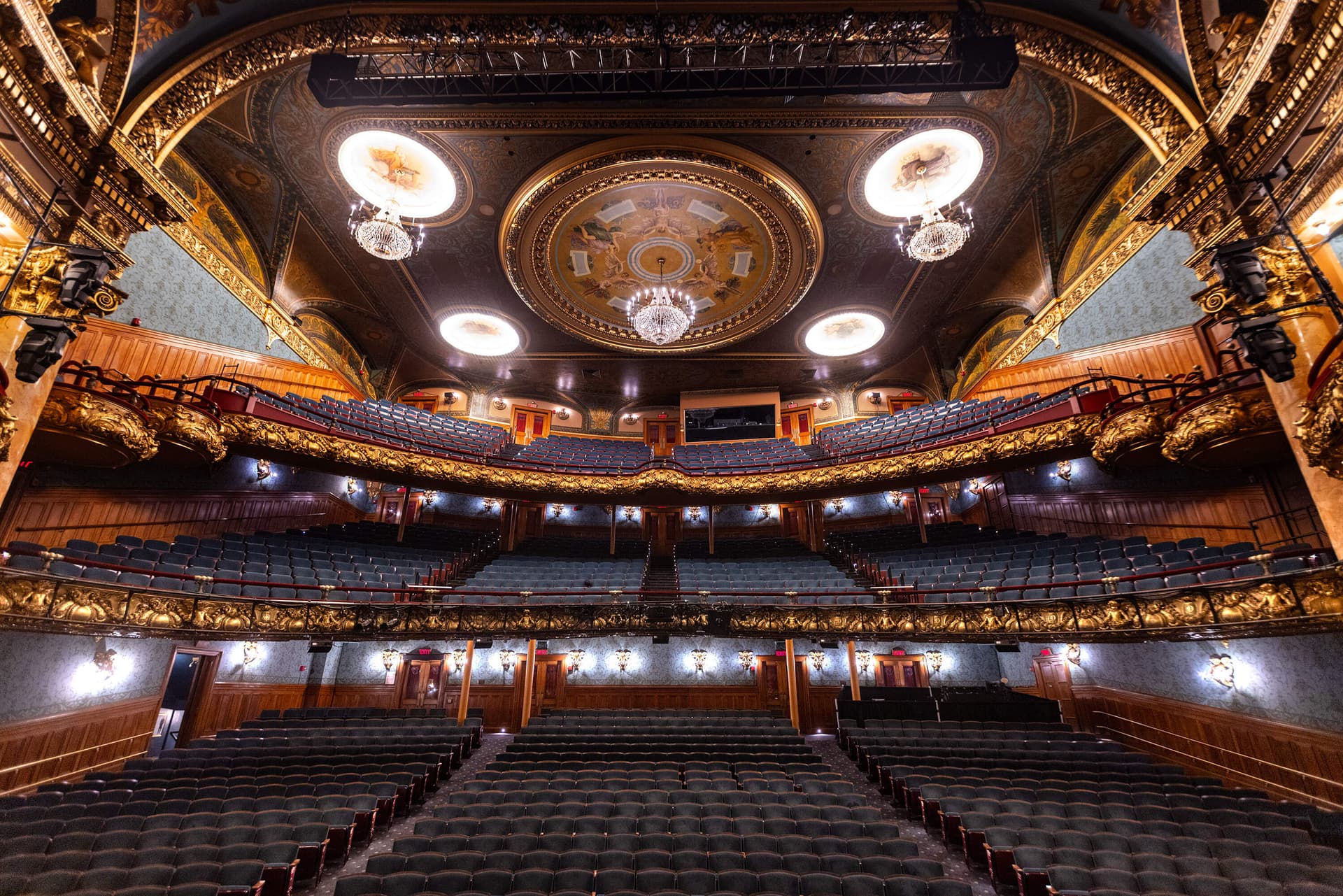
The Emerson Colonial Theatre opened on Dec. 20, 1900, with a sold-out production of Ben-Hur that famously brought eight live horses onstage and used a revolving stage and staged smoke to recreate the chariot race. The stage mechanics drew national attention at the time. “A mechanism underneath the stage that was so revolutionary for its time that Scientific American wrote an article about how the technology worked,” said Tobie Stein, who documented the theatre’s history.
Over 125 years the Colonial has remained a testing ground for American theatre, hosting early runs of productions that would go on to Broadway, including The Odd Couple, Red, Hot and Blue and Carousel. Stein noted the importance of local critics and press in shaping shows before they reached New York. “The critics were really involved and members of the press were involved in helping the creators reshape the work for Broadway, which is why the Colonial was always on the tip of everyone's tongue,” Stein said.
The building’s artifacts and rituals connect the present to that past. A large onyx table near a concession stand is where Richard Rodgers and Oscar Hammerstein sketched the theme to Oklahoma!, then called Away We Go!. The site also holds the story of choreographer Bob Fosse dancing on that table during rehearsal; performers today continue a superstition around the table. “Artists, especially dancers, when they're in the building, when we have a large musical, will come to the table and either touch the table or sometimes kiss the table to transfer some of that good luck to their own performances,” said Joey Riddle, general manager of the Emerson Colonial Theatre.

The theatre’s survival was not inevitable. In 2015 Emerson College, which owns the building, announced plans to convert the space into a dining hall, prompting widespread protests. Those plans were dropped and a new, lengthy lease was negotiated that included commitments to update the building. The theatre reopened in 2018 and has since emphasized its ties to the broader Boston community. “I think for anything to have endured for 125 years, it means something very special," Riddle said. “I love the fact that this theater is a part of the Boston community, not just the arts community, but the city overall.” He added that the power of live performance lies in shared experience. “There is something about convening a group of people who may or may not have very much in common at all to share a moment and to share that with one another, as well as with the artists on stage,” he said.
For Suffolk County residents, the Colonial’s story is about more than nostalgia. It illustrates how cultural institutions contribute to social cohesion, local economies, and opportunities for artists from diverse backgrounds. The 2015 debate highlighted how decisions by institutions and owners can threaten community access to cultural space, and the theatre’s preservation points to the role public officials, cultural funders and community advocates play in safeguarding inclusive arts venues. As Boston moves forward, maintaining affordable, accessible spaces for performance will remain central to both cultural equity and the broader public health goal of fostering connection and resilience in neighborhoods.
This article was produced by Prism’s automated news system from verified source data, official records, and press releases, then run through automated quality and moderation checks before publishing. The system is built and supervised by the people who set the standards it runs under. Read our full AI policy.
Did this article answer your question?