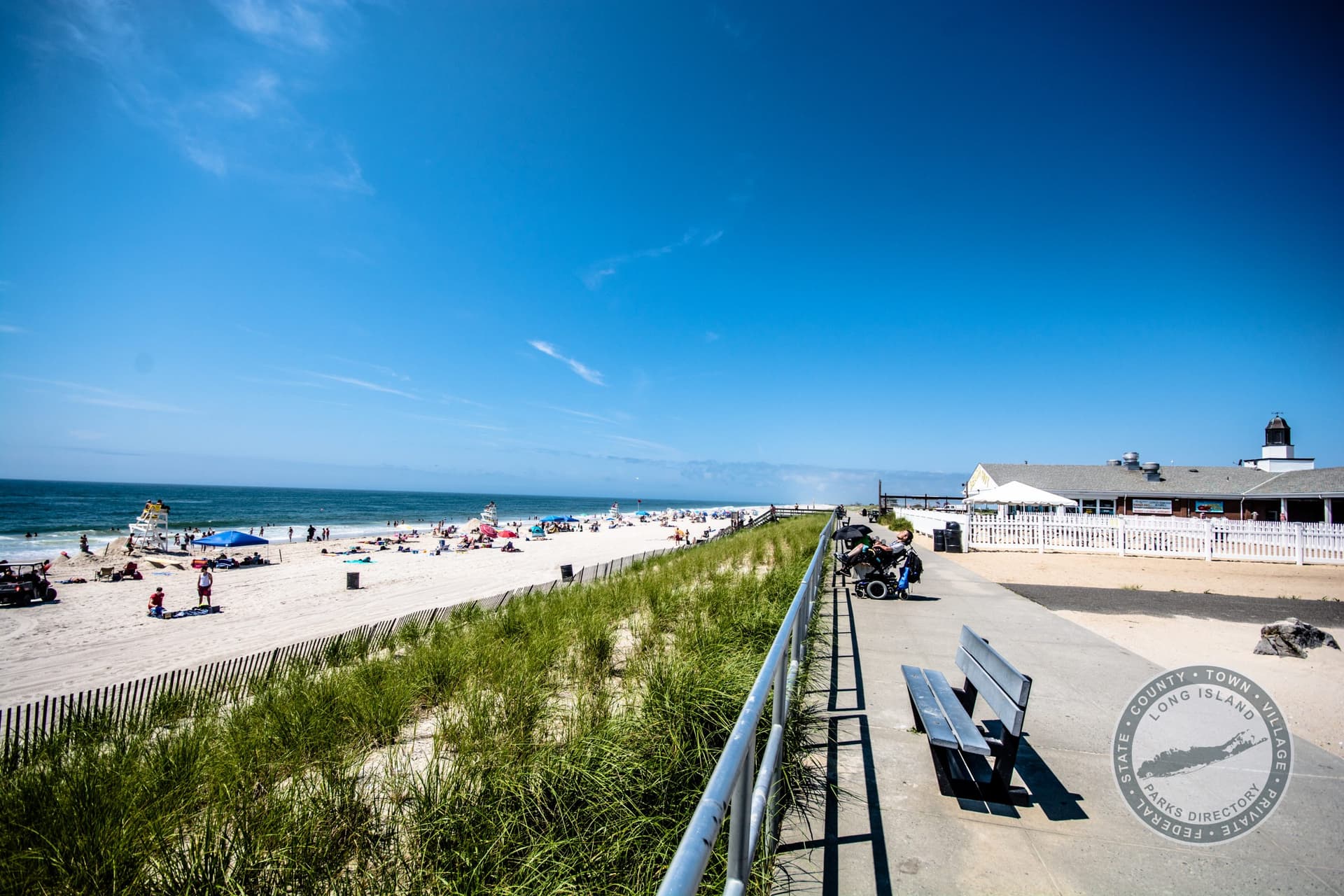
Fire Island National Seashore offers Suffolk County a spring coastal escape
Fire Island is opening into peak season with bird protections, ferry planning, and storm damage shaping every Suffolk beach day.

A spring shoreline with rules attached
Fire Island can feel like Suffolk County’s easiest coastal escape, but it is also one of its most carefully managed. The same wide beaches and open Atlantic views that draw families, birdwatchers, boaters and day-trippers also sit on a fragile barrier island that shifts with wind, tides and storms, which is why every warm-weather plan here comes with limits.
That tension is built into the place itself. Fire Island National Seashore was established by Congress on September 11, 1964, after years of preservation work, to protect the only developed barrier island in the United States without roads. Today the seashore covers about 19,580.29 acres, including about 26 miles of Atlantic Ocean coastline and 75 miles of bay-side shoreline, with 17 Fire Island communities inside the park boundary.
Getting there still starts with the ferries
Because there are no roads across Fire Island, the island’s spring and summer rhythm begins on the water. Suffolk County points visitors to the principal ferry connections from Bay Shore to Saltaire, Ocean Beach, Atlantique, Kismet, Dunewood, Fair Harbor, Seaview and Ocean Bay Park, and from Sayville to Fire Island Pines and Cherry Grove. Those crossings, served by operators such as Fire Island Ferries and Sayville Ferry Service, are part of the experience, but they are also the first practical reminder that a trip here takes planning.
The timing matters. National Park Service statistics show that the busiest months are July and August, with the busiest days falling on Saturday and Sunday. Even in spring, the island is moving toward the crush of peak season, and the ferry schedule, beach conditions and parking on the mainland can shape whether a visit feels easy or exhausting. For Suffolk residents looking for a day outside the usual routine, Fire Island remains close enough to feel local and remote enough to feel like a break.
Why the island feels so different from a typical beach town
Fire Island is not only a recreation site. Its dunes, marshes and back-barrier habitats help buffer mainland communities from storms and erosion, which makes the seashore part of Suffolk’s shoreline defense as much as its leisure map. The park boundary reaches about 4,000 feet into the Great South Bay and about 1,000 feet seaward of the ocean shoreline, underscoring how much of the island’s job happens beyond the place most visitors actually stand.
That ecological role is one reason the seashore is treated as a living coastal system, not an open-ended playground. The National Park Service identifies Fire Island as a birding hotspot during spring and fall migration and says it is one of more than 40 sites designated as a Globally Important Bird Area. On a coast where the Atlantic migratory flyway passes close to the sand, the island’s value depends on keeping enough habitat undisturbed for the birds that rely on it.
What changes during piping plover season
The best-known protection period at Fire Island centers on the piping plover, a federally threatened shorebird that is also listed as endangered in New York State. The annual management season runs roughly from March 15 through Labor Day, and during that stretch many ocean-beach sections come with restrictions on pets and kites.
Some places are always closed to driving during plover season: Lighthouse Beach, Sailors Haven and the Wilderness area. The park also uses symbolic fencing to protect nesting areas and sensitive plants such as seabeach amaranth and seabeach knotweed. Those measures can feel inconvenient to visitors expecting a wide-open beach, but they are part of what keeps the island functioning as both a public place and a nesting ground.

For a spring visit, the practical rule is simple: pay attention before stepping onto the beach. Wind can reshape the shoreline from one tide to the next, and access points that looked open one weekend can look different the next. That is not a flaw in the island, it is the island’s nature.
Current access issues make the stakes clearer
The park is already dealing with real spring maintenance problems. On March 15, 2026, the National Park Service said pet restrictions and beach-driving closures were in effect through Labor Day to protect threatened nesting shorebirds. The same alerts reported partial boardwalk closures at Watch Hill because of storm damage, and a closure of the Talisman-Barrett Beach dock because of winter ice damage.
Reduced services and no lifeguards are in place at Talisman-Barrett Beach for the summer season, which is another reminder that Fire Island’s appeal comes with real safety responsibilities. Boardwalks, docks and access routes are not background details here. They are the infrastructure that makes beach access possible, and when storms or ice damage them, the island’s entire visitor pattern changes.
The local economy depends on a fragile place
Fire Island’s popularity does not stay on the island. It reaches ferry docks, restaurants, supply businesses and the workers who keep the summer economy moving on both sides of the bay. In 2022, the National Park Service estimated that 393,749 visitors to Fire Island National Seashore federal tracts, and close to 2.5 million visitors within the park boundaries, spent $19.6 million in nearby communities, producing a cumulative local economic benefit of $26.3 million and supporting 193 jobs.
Those numbers help explain why Fire Island matters far beyond the beach. Earlier park data showed 431,303 visitors in 2016 spending $18.6 million in Long Island gateway communities and supporting 217 jobs. Whether a family is boarding in Bay Shore or Sayville, the island’s tourist economy supports a broad web of work that stretches from ferries to food counters to service crews.
A park that needs repair as badly as it needs visitors
The challenge now is that the park’s public face is carrying a heavy maintenance load. Fire Island National Seashore had an estimated $63 million in deferred maintenance and repairs in fiscal year 2024. Its infrastructure inventory included 81 buildings, 16 miles of trails, 9 miles of unpaved roads, 6 water systems, 1 campground, 18 housing units and 7 wastewater systems.
Those numbers are more than a budget line. They show how much depends on steady investment in sanitation, housing, trails and utilities to keep the island safe and usable in a climate that keeps testing the shoreline. Fire Island’s role in Suffolk County is therefore bigger than a seasonal escape. It is a public-health asset, an economic engine, a bird habitat and a warning all at once, a place where the county’s appetite for the coast meets the cost of protecting it.
This article was produced by Prism’s automated news system from verified source data, official records, and press releases, then run through automated quality and moderation checks before publishing. The system is built and supervised by the people who set the standards it runs under. Read our full AI policy.
Did this article answer your question?