Freeze warning hits Suffolk County, temperatures expected to drop to 27
A 27-degree overnight low could add fresh damage to Suffolk growers just weeks after winter freezes left aquaculture operations facing $2.4 million in losses.
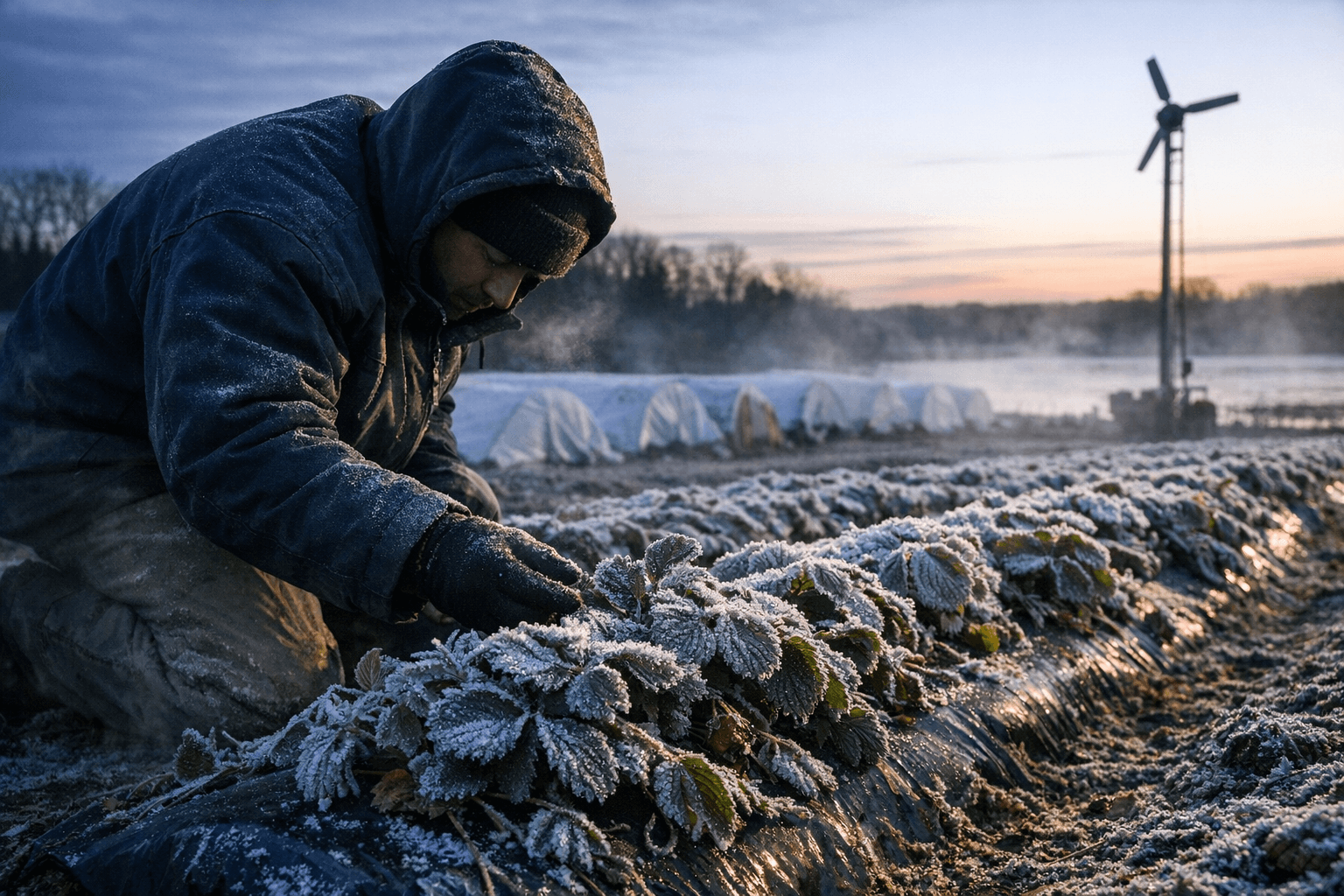
A hard overnight freeze is expected to settle over Suffolk County, dropping temperatures to 27 degrees and putting crops, tender plants and shellfish operations at risk just as the spring growing season begins to take hold. The warning runs from midnight Monday to 9 a.m. Tuesday and covers northwest, northeast, southwest and southeast Suffolk, including Riverhead.
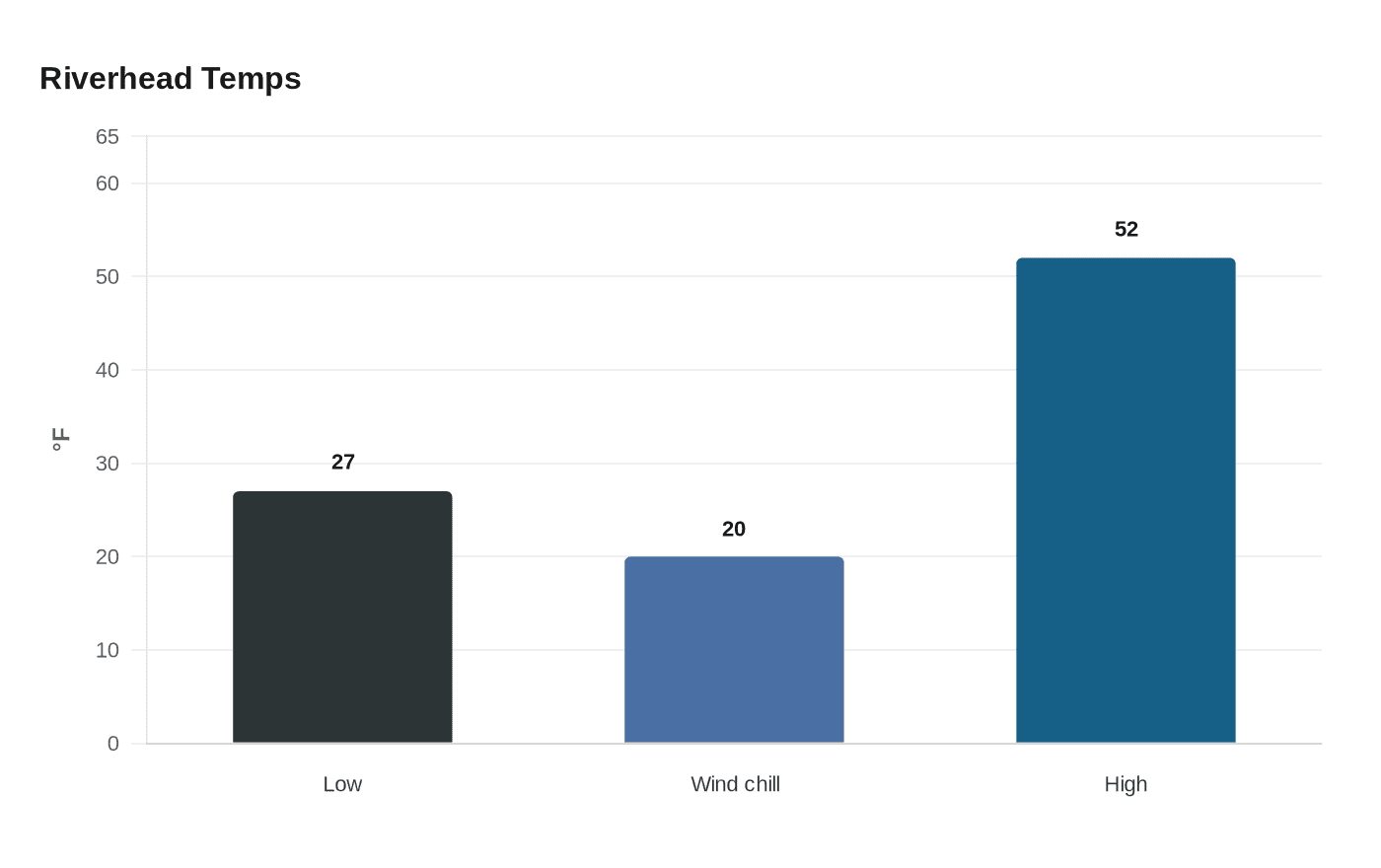
The National Weather Service said frost and freeze conditions could kill crops and other sensitive vegetation, and tender outdoor plants may be killed if left uncovered. In Riverhead, forecasters expect a low around 27 Monday night, with northwest winds around 8 mph and wind chill values as low as 20 before a sunny Tuesday with a high near 52. Frost is still possible early Tuesday, adding another cold jolt after recent freezes already stressed local growers and backyard gardens.
The timing is especially hard for Suffolk’s farm economy because it comes after a severe winter that battered aquaculture operations across the county. On April 6, Gov. Kathy Hochul said New York was seeking a USDA Secretarial Disaster Designation for Suffolk County after heavy snowfall and multi-week severe freeze conditions in February 2026 caused an estimated combined $2.4 million loss. State officials said prolonged freezing temperatures and extensive ice across coastal waters kept oyster farmers from reaching growing areas and carrying out normal harvesting, while ice also blocked vessel access and damaged gear, boats and farm infrastructure.
A state survey found many growers were facing more than a 30% loss in production, with repair and replacement costs estimated at $2,396,500. Those losses were not limited to one bay or one harbor. WSHU reported that Great South Bay stayed frozen for several weeks between January and February, and The Suffolk Times reported that the cold spell turned Peconic Bay into an ice pack that tore apart docks, moved navigation buoys and ripped out oyster-farm anchors.
That damage could linger well beyond a single cold snap. Seed oysters typically take two to three years to reach market size, which means inventory shortages can echo through the coastal economy for seasons to come. If the USDA disaster designation is approved, eligible producers would be able to apply for low-interest emergency loans, a lifeline as Suffolk farmers and shellfish growers brace for yet another freeze.
This article was produced by Prism’s automated news system from verified source data, official records, and press releases, then run through automated quality and moderation checks before publishing. The system is built and supervised by the people who set the standards it runs under. Read our full AI policy.
Did this article answer your question?