LIRR strike deadline nears, Suffolk commuters could face major disruptions
A strike could shut down the LIRR on May 16, pushing Suffolk riders from Ronkonkoma and Bay Shore onto limited shuttles, Queens subways and crowded roads.
A Suffolk County commute could be upended if Long Island Rail Road workers walk off the job on May 16, forcing nearly 300,000 daily riders off trains and into a patchwork of shuttle buses, subway transfers and traffic. The Metropolitan Transportation Authority says a strike would shut the railroad down entirely.
Hundreds of unionized workers gathered Saturday morning outside the Massapequa LIRR station in Nassau County as the deadline drew closer. Five unions representing about 3,500 employees are involved, including engineers, signalmen and trainmen. Union leaders Matt Hollis, Shaun O’Connor and Gillman Lang were among those warning that workers are prepared to strike if no agreement is reached.
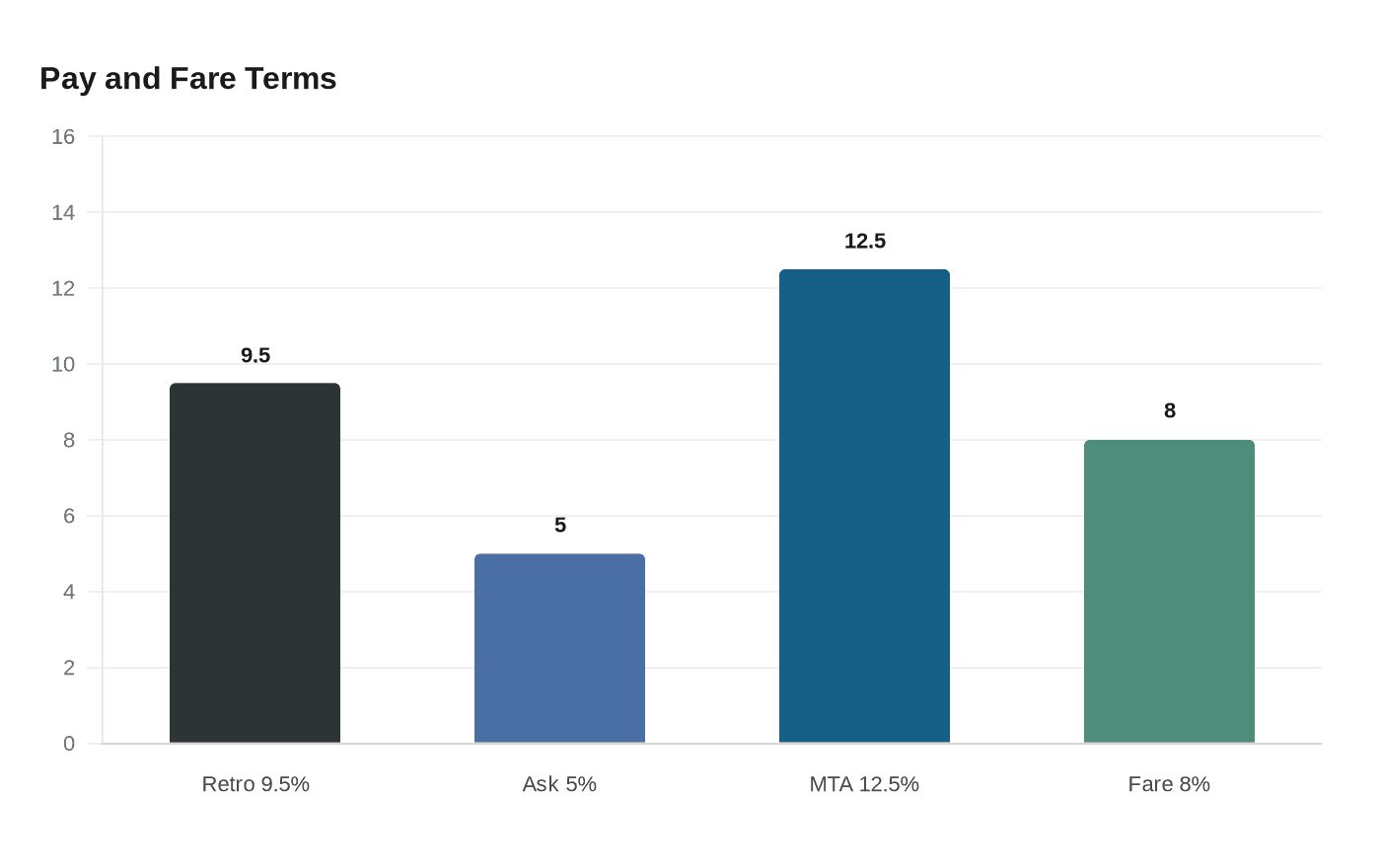
The dispute centers on pay and work rules. The unions and the railroad have already agreed to a retroactive 9.5% wage increase covering the last three years, but workers are still seeking an additional 5% raise beginning in 2026. The MTA has countered with a 12.5% increase over four years, plus extra compensation tied to changes in work rules. Leaders on the union side say one-time bonuses are not enough and that workers are falling behind on basic costs such as groceries, gas and utilities. The MTA says meeting the unions’ demands could force fare increases as high as 8%.
For Suffolk riders, the biggest hit would come fast and hard. Commuters who rely on trains from Ronkonkoma, Bay Shore and Huntington would lose normal rail service, along with anyone connecting through Queens or Jamaica. The MTA’s contingency plan calls for limited shuttle buses from Bay Shore, Hempstead Lake State Park near Lakeview, Hicksville, Huntington, Mineola and Ronkonkoma to Queens subway transfer points during weekday peak hours. That plan would only cover a fraction of the usual commute and would leave roads, parking lots and alternate transit options under heavy strain.
The threat has revived memories of the last LIRR strike on June 17, 1994, when about 2,300 workers walked out for two days and stranded more than 100,000 commuters. Union leaders say there were no contract talks between August 2025 and a March 20, 2026 meeting before bargaining resumed this week, and White House-appointed mediators have said there is no indication the MTA cannot afford the proposed increases. The stakes are even higher now, with the MTA reporting 82 million LIRR riders in 2025 and ridership up 4.8% through March 2026. If the talks fail, Long Island commuters could face the region’s sharpest transit disruption in more than three decades.
This article was produced by Prism’s automated news system from verified source data, official records, and press releases, then run through automated quality and moderation checks before publishing. The system is built and supervised by the people who set the standards it runs under. Read our full AI policy.
Did this article answer your question?