LIRR strike halts service to Riverhead and North Fork
Systemwide LIRR shutdown stranded Riverhead and North Fork riders, with only limited peak-hour buses running.
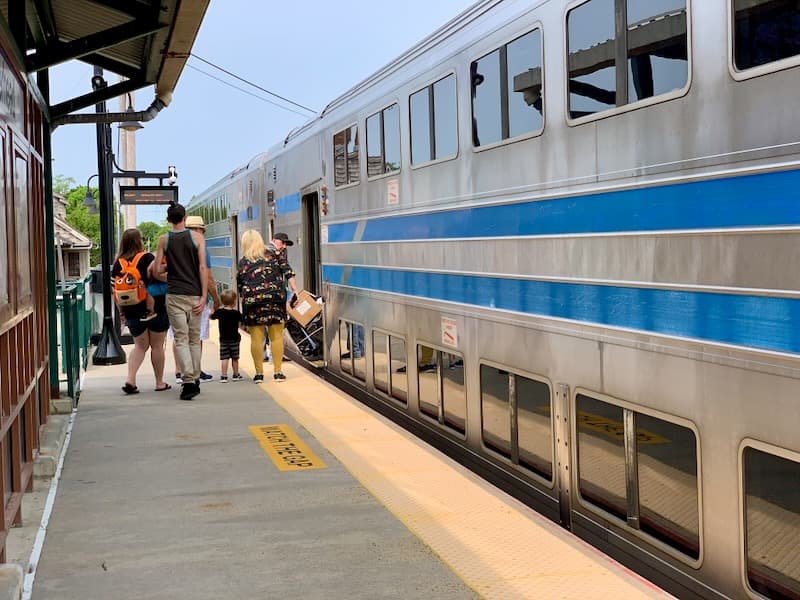
The Long Island Rail Road’s systemwide shutdown left Riverhead and North Fork riders without train service and pushed the fallout immediately onto Suffolk County roads, parking lots and car pools. With the railroad halted across the system, commuters east of Ronkonkoma lost the limited Main Line service they depend on to reach jobs, appointments, school and westbound connections.
The strike began at 12:01 a.m. Saturday, May 16, after workers represented by five unions walked off the job. About 3,500 workers are involved, and those unions represent roughly half of the railroad’s workforce. For Suffolk riders, the key blow was not just the labor stoppage itself but the loss of even a reduced schedule in a part of Long Island where rail options are already thin.
The Metropolitan Transportation Authority said the shutdown would hit nearly 300,000 daily riders. The agency’s fallback plan was narrow: weekday shuttle buses only during peak commuting windows, running roughly from 4:30 a.m. to 9 a.m. toward Manhattan and from 3 p.m. to 7 p.m. back to Long Island. Those buses use six pickup points on Long Island and connect riders to Queens subway stations, including Howard Beach and Jamaica-179 Street. The temporary service is a triage measure, not a replacement for regular train service, and it leaves many Riverhead and North Fork travelers with longer trips and fewer reliable options.
The economic pressure is immediate in Suffolk. Workers who cannot reach Penn Station or other westbound destinations by rail have to scramble for rides, drive themselves, or stay home, and that shifts the burden onto already crowded roads and parking areas. Hourly workers are especially vulnerable because missed trains can mean missed shifts, lost pay and last-minute child care problems. On the East End, where transit alternatives are limited, the shutdown also isolates riders who were already operating with little margin.
This is the first LIRR strike since a two-day walkout in 1994, when more than 100,000 commuters were affected. That history helps explain why state leaders treated the dispute as a regional emergency. Governor Kathy Hochul said the railroad is essential and pointed to a 40% increase in service and major investments such as the Main Line Third Track and Grand Central Madison. MTA Chair and CEO Janno Lieber said the agency could not make a deal that would blow up the budget, while union leaders said the strike was avoidable and blamed the MTA for refusing reasonable contract terms.
This article was produced by Prism’s automated news system from verified source data, official records, and press releases, then run through automated quality and moderation checks before publishing. The system is built and supervised by the people who set the standards it runs under. Read our full AI policy.
Did this article answer your question?