Long Island Aquarium moves endangered African black-footed penguins indoors amid Arctic blast
Long Island Aquarium moved about 20 endangered African black-footed penguins indoors during an Arctic blast to protect them from sub-30°F cold; visitors can still view them in the back holding area.
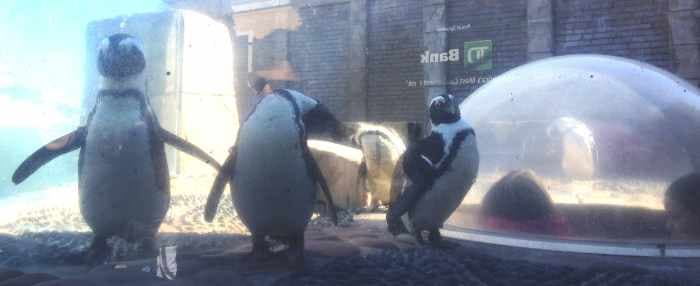
Staff at the Long Island Aquarium in Riverhead moved roughly 20 endangered African black-footed penguins indoors during a late-January Arctic blast after temperatures fell to about 30°F or lower. The shift protected birds that evolved for temperate South African shores from sustained freezing conditions that can cause frostbite and other cold-related injuries.
The penguins were taken inside when the aquarium's operational threshold was met. Aquarium advisories state, "Please be advised that the African Penguins will be off habitat when the temperatures drop below 30 degrees. They are visible in their back holding area, but they would not be outside on habitat when it is that cold." The National Weather Service registered a sharp plunge in temperatures during the storm cycle, with wind chills and readings falling into the single digits at times, prompting the precautionary move.
Institutional measures fit established husbandry practices. The colony spends every night in an indoor enclosure as part of its routine, and staff say the birds are familiar with the indoor habitat. The indoor space includes a swimming pool and nesting boxes, plus back hutches for shelter, nesting and breeding; the Penguin Pavilion also features an observation bubble for visitors to get a close view. When temperatures rise above the 30°F threshold, staff will return the birds to the outdoor habitat with land and water features and hutches for shade and breeding.
Keepers emphasized the biological reasons for the move. Ally Arena, a bird and reptile keeper at the aquarium, said, "A lot of guests do come to the aquarium on very cold days, thinking that they are going to see our penguins playing in the snow, sliding around on their bellies on the ice." She added, "But our penguins are from South Africa, so they are not going to see really anything below 45, 50 degrees where they are from. They definitely prefer that more mild, temperate climate." The species, Spheniscus demersus, typically lives in Namibia and South Africa, weighs 5–8 pounds, stands about 25 inches tall and can live 15–30 years.
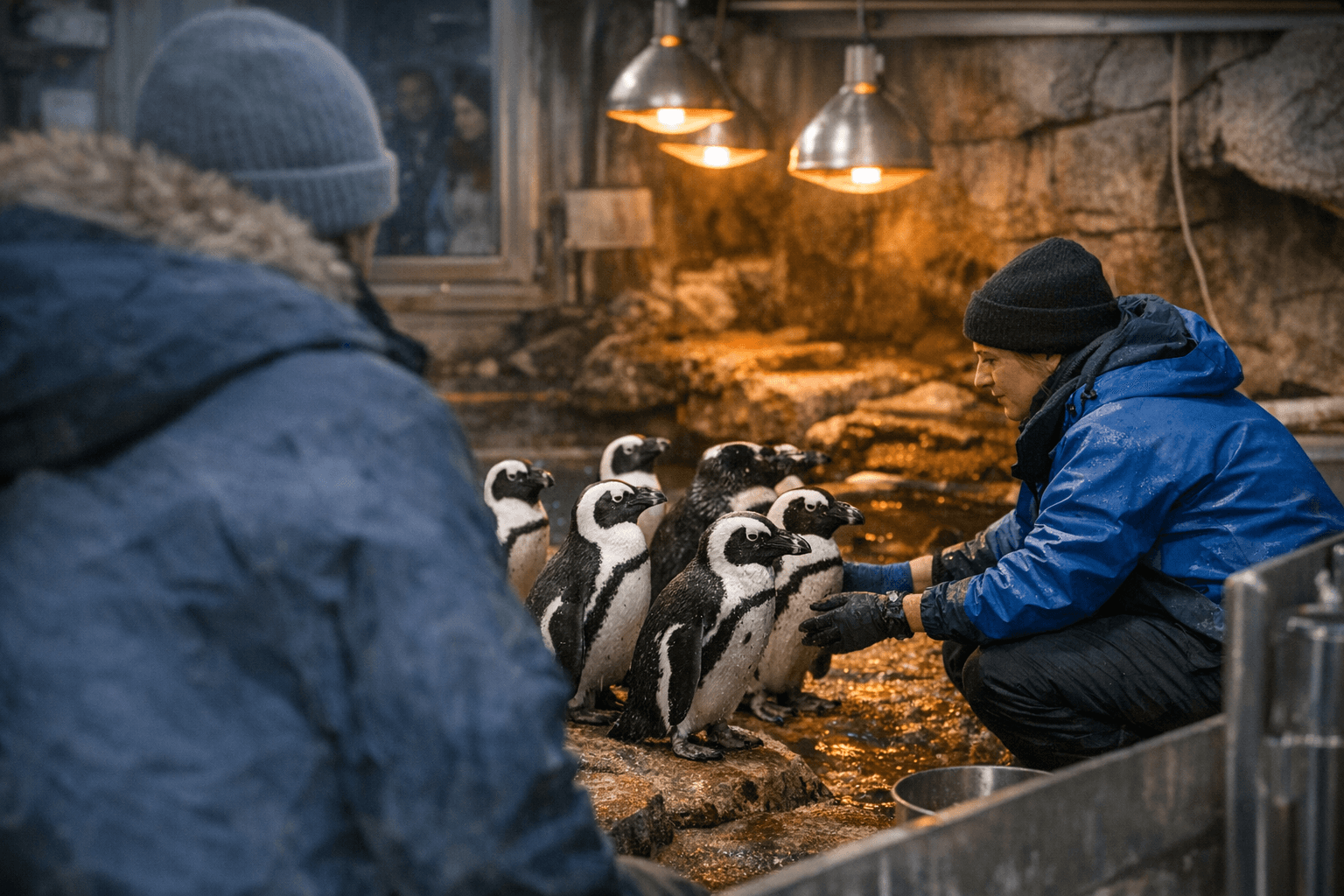
The Long Island Aquarium traces the colony's presence to a 2004 transfer after a group of captive-bred birds was confiscated at John F. Kennedy International Airport for improper paperwork and US Fish and Wildlife asked the aquarium to provide a home. The facility has since built the Penguin Pavilion and participated in a breeding program; several chicks have hatched there.
The aquarium also noted separate health precautions in place around highly pathogenic avian influenza. Its official statement reads, "The Long Island Aquarium is implementing measures to protect our endangered African penguins from highly pathogenic avian influenza (HPAI), found on Long Island, near our aquarium." The institution added, "Our animals are currently safe and healthy, and we are implementing these procedures to protect them from any potential exposure. We’ll continue to monitor the situation closely with state and local officials and make all recommendations to protect our collection of animals."
For Riverhead residents and visitors, the move underscores how local institutions respond to extremes in weather and disease risk. Patrons can still see the penguins in the back holding area during cold snaps, and the aquarium accepts public support through a wish list for supplies. As temperatures moderate, the colony is expected to resume outdoor viewing; aquarium staff will continue monitoring weather and health indicators and adjust exhibit access accordingly.
Know something we missed? Have a correction or additional information?
Submit a Tip