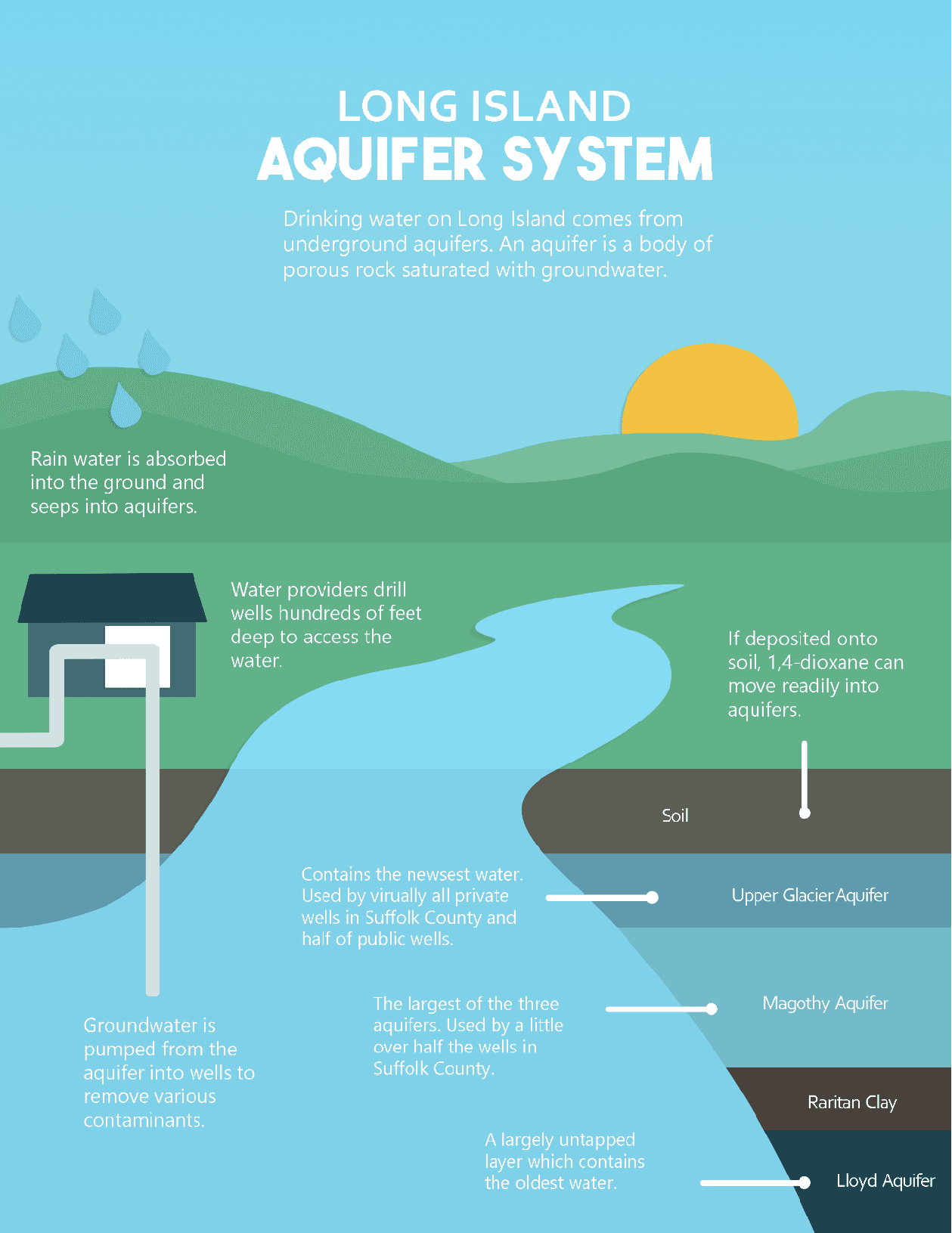
Navy advances PFAS cleanup plan to protect Swan Pond in Calverton
The Navy is pushing an interim PFAS fix for Swan Pond, but Calverton neighbors still want faster action, better disclosure and proof the plume will be contained.
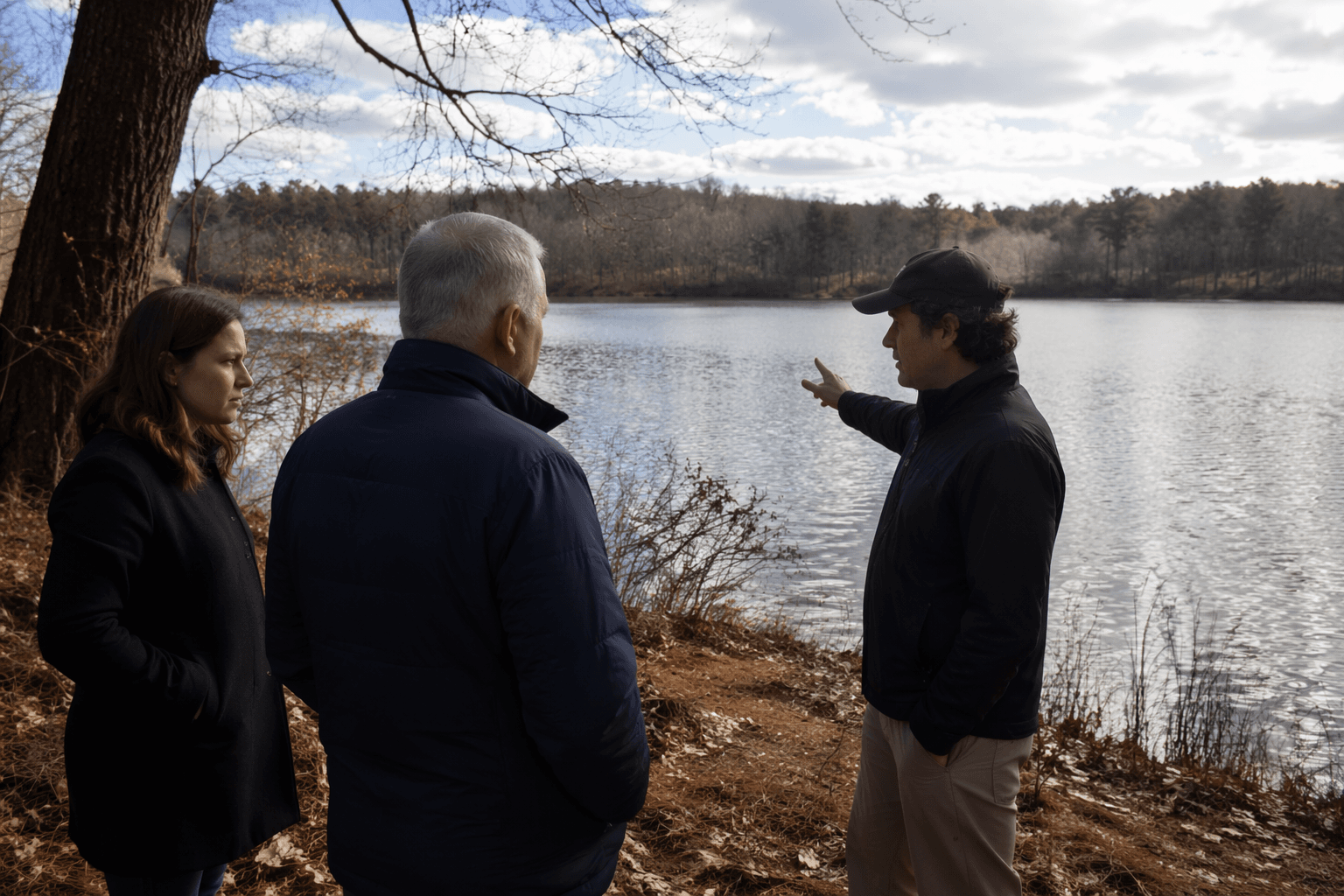
The Navy is moving ahead with an interim treatment plan for groundwater threatening Swan Pond, but the fight in Calverton is really about whether the response will protect drinking water, private property and public trust before the plume moves farther.
At a virtual Calverton Restoration Advisory Board meeting on June 15, Navy officials said the first step would be to pump contaminated groundwater from a former fire training pit, treat it above ground and then discharge the cleaned water. The Navy said it wants the pumping system running and treating water by mid-fall.
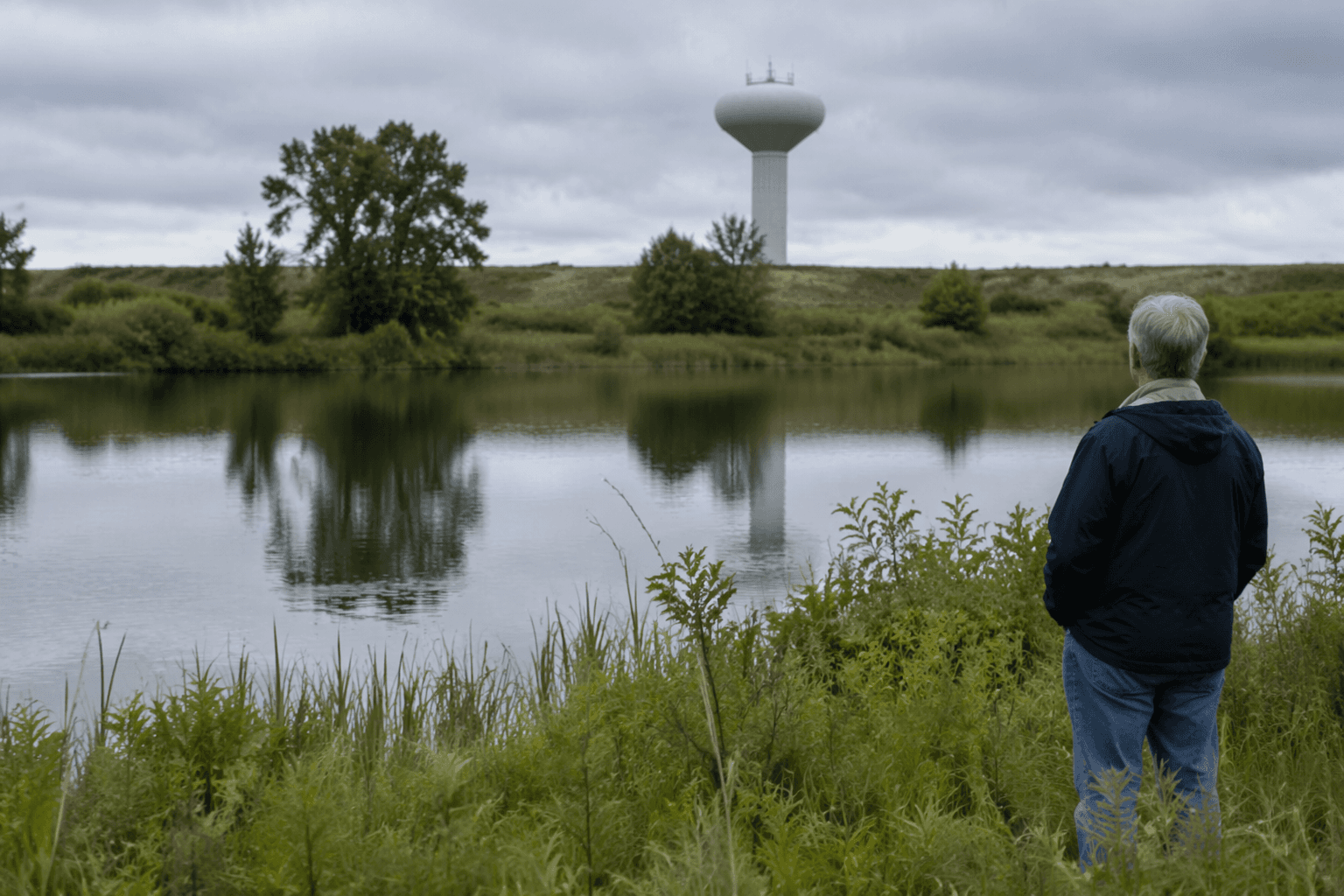
Officials described the cleanup in plain terms: air is bubbled through the water to make PFAS foam so it can be skimmed off, then the water is filtered before discharge. The initial system is expected to handle about 20 gallons per minute, with the option to expand to 40 gallons per minute. A second step would use an underground funnel-and-gate system to intercept the plume before it reaches Swan Pond.
The plan comes after Suffolk County public health data raised new pressure on the Navy and deepened concern around the former Grumman site at EPCAL. Suffolk County said its testing found PFAS in Swan Pond, Donahue Pond and the Peconic River, and county officials later put up a no-fishing sign at Swan Pond before announcing a fishing ban after Navy fish samples from 2024 reportedly showed elevated PFOS.
County leaders have sharpened the political response. On May 12, Suffolk County Executive Ed Romaine and Riverhead Town Supervisor Jerry Halpin sent a joint letter to acting Navy Secretary Hung Cao, warning that the contamination threatens drinking water, environmental health and the region’s economy. Romaine and Health Commissioner Gregson Pigott have called for a comprehensive remediation plan, and county officials said legal action could follow if the Navy does not act.
The dispute has also turned on transparency. County and local officials said the Navy collected fish, sediment and surface-water samples in Swan Pond in November 2024, found excessive PFAS in fish fillets and did not notify the public for about a year. Critics also said the June 15 meeting’s Zoom format limited public participation.
The contamination sits on a site with a long industrial history. EPA says the former Naval Weapons Industrial Reserve Plant in Calverton was established in 1954, Northrop Grumman operations ended in February 1996 and the original facility covered about 6,000 acres. The agency lists the site as under corrective action and says groundwater and human exposure are controlled; Swan Pond is one of the site’s surface water bodies.
Suffolk County says it has monitored emerging contaminants since 2015, and New York adopted PFOS and PFOA drinking-water standards in 2020 at 10 parts per trillion each, along with a 1 part per billion standard for 1,4-dioxane. The Navy says it has been evaluating historical PFAS releases at Calverton since 2016 and has completed multiple rounds of voluntary private-well sampling, with no private drinking-water wells in its designated testing areas exceeding the relevant action threshold.
Still, the county has said its own testing found contamination around the plume that was higher than what the Navy had publicly released, with some samples above state drinking-water standards. A December 2020 Newsday report found PFAS in nearly 15% of private wells tested near the site, including four above the then-new state standard and one PFOS reading at 98.5 parts per trillion. For Swan Pond and the families who live around it, the question now is whether this interim plan will stop the contamination fast enough.
This article was produced by Prism’s automated news system from verified source data, official records, and press releases, then run through automated quality and moderation checks before publishing. The system is built and supervised by the people who set the standards it runs under. Read our full AI policy.
Did this article answer your question?