Riverhead Farmers Face Rising Fertilizer, Fuel and Freight Costs Amid Global Tensions
Diesel hit $5.21 a gallon in Nassau-Suffolk as Riverhead farmers brace for costlier fertilizer and freight with spring planting weeks away.
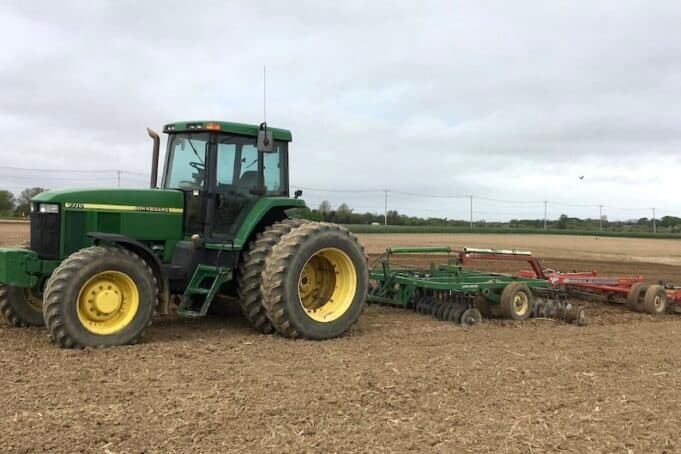
Diesel prices in the Nassau-Suffolk metro jumped to $5.207 a gallon on March 17, up from $3.933 just a month earlier, and the spike is arriving precisely as Riverhead-area farmers prepare to make their spring fertilizer purchases, compressing margins that were already thin on one of the most expensive stretches of farmland in the country.
Bill Zalakar, executive director of the Long Island and New York City Farm Bureau, said most growers had not yet stocked their fertilizer when global tensions rattled commodity markets. "Most farmers probably do not have their fertilizer on hand as of right now," Zalakar said Tuesday. "Most farmers will start buying that in the next month or so as the weather starts to warm up a little bit."
Zalakar said fuel may ultimately hit harder than fertilizer. "Probably even bigger than the fertilizer is just going to be the fuel and transportation cost," he said, noting that farmers rely on diesel for tractors and equipment and that shipping costs ripple through nearly everything that moves onto or off Long Island. Fuel already accounts for roughly 20 percent of operating costs for local farmers, he said, and greenhouses had been burning more of it than usual to survive a frigid winter.
Fertilizer prices track energy markets in part because some fertilizers require energy-intensive production, Zalakar noted. Suffolk County farmers do sell around 60 percent of their products locally, which trims some transportation exposure, but the remainder is still subject to the freight increases that suppliers are already flagging.
The Long Island Cauliflower Association said it does not expect shortages. A representative identified only as Bokina said in an email that most in-season items were already in stock or had guaranteed delivery dates. "There will certainly be a period of increases," Bokina wrote. "How long? No one knows. But Long Island Cauliflower will do their best to keep them at a minimum as always." If overseas disruptions persist, Bokina added, more mid-season items could be affected.
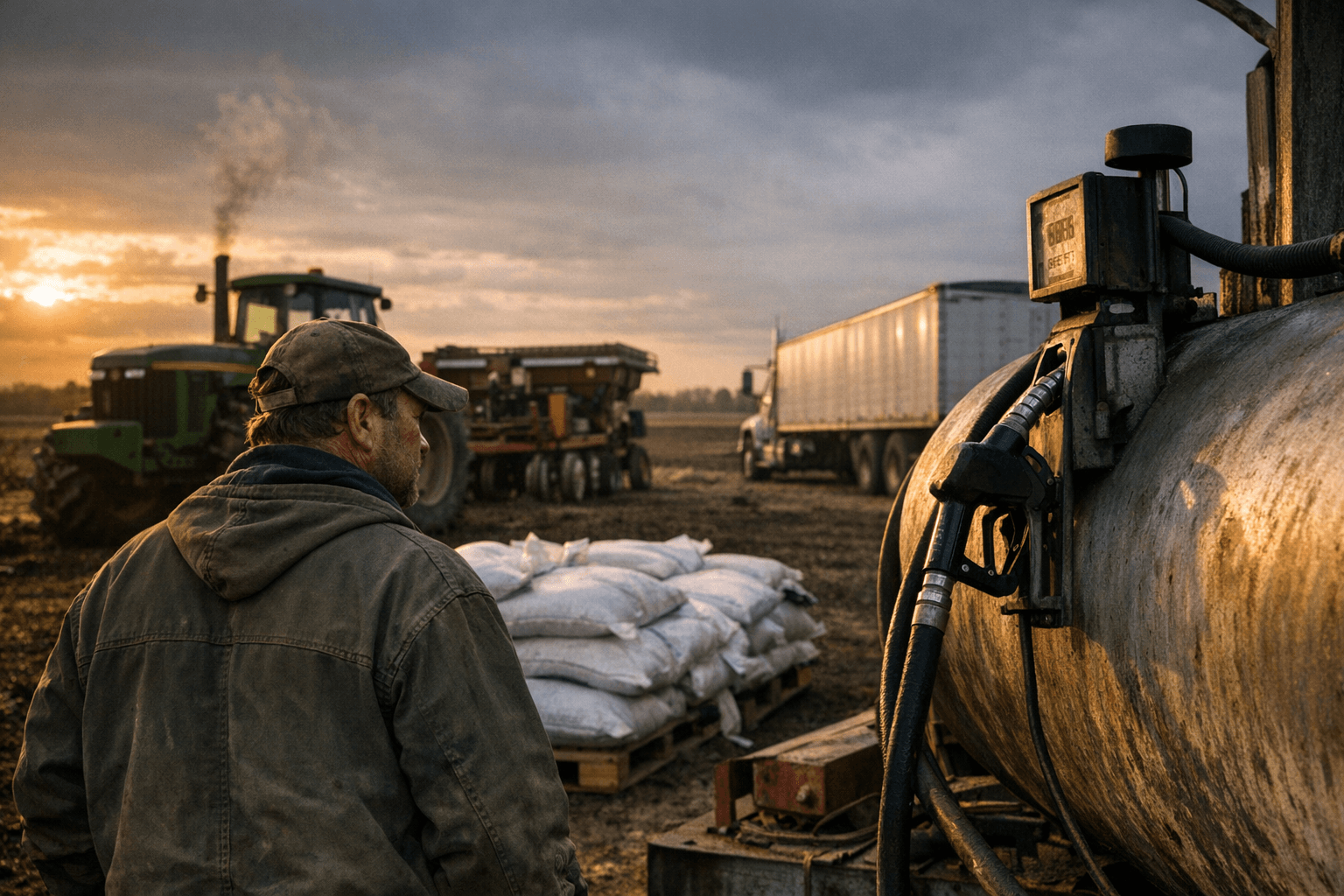
At Rottkamp's Fox Hollow Farms in Baiting Hollow, fourth-generation grower Jeff Rottkamp said he has no choice but to apply nitrogen to his sweet corn, but he intends to be disciplined about it. "I'm going to use some nitrogen because I have to. That's just what corn requires," Rottkamp said. "But I'm gonna have to be careful about it and a little stingy about it."
Rottkamp framed the cost pressure as far broader than any single input. "It's gonna be transportation, fertilizer — everything," he said. "Bags, boxes, tires, batteries, fertilizer, paint … everything's connected to transportation."
The cost increases could reach shoppers. Stew Leonard's, which operates stores in Farmingdale and East Meadow, said it was monitoring fuel-driven pressures closely and hoped to avoid passing them to customers. Whether grocers can absorb those costs depends largely on how long the overseas disruptions that sparked the price surge continue.
This article was produced by Prism’s automated news system from verified source data, official records, and press releases, then run through automated quality and moderation checks before publishing. The system is built and supervised by the people who set the standards it runs under. Read our full AI policy.
Did this article answer your question?