Riverhead weighs site plan changes as residents push for public input
Riverhead wants to speed up site plan review, but residents warn that one fewer hearing could mean less say over projects that reshape neighborhoods.
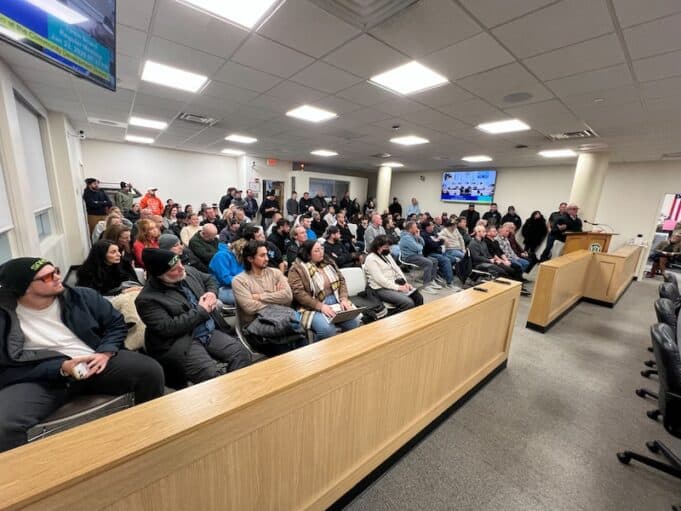
Riverhead's push to rewrite its site plan rules has put one question at the center of the debate: who benefits if approvals move faster, and who loses if neighbors get fewer chances to speak before a project is locked in. The Town Board held a public hearing on the change June 16 at Town Hall, and written comments stay open until June 26. The proposal would revise Chapter 301 of the town code, which governs zoning and land development, and it would also let the board set some land-use fees by resolution instead of local law.
At the heart of the plan is a three-step system that senior town planner Matt Charters described as an optional pre-submission conference, preliminary site plan review and final site plan review. Charters told the board the current process is atypical in New York and Suffolk County, and said preliminary review now involves one application, one fee, one public hearing, one SEQRA review and one referral process. In his view, the town has built in more layers than most communities use.
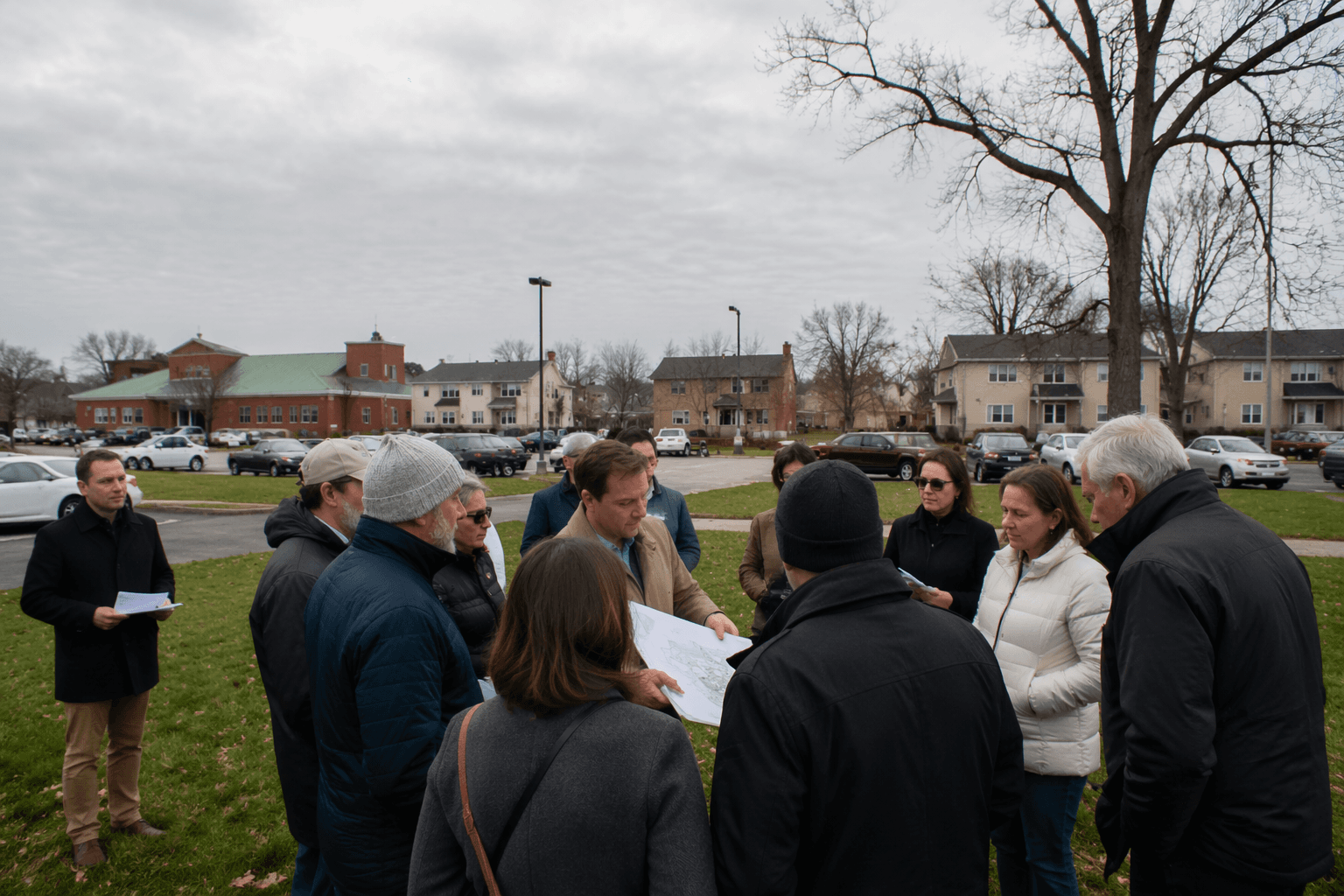
That is exactly what worries residents and civic and environmental advocates. Preliminary review is often the stage when traffic patterns, building massing, drainage and neighborhood impacts are still being shaped, before a project moves too far down the pipeline. If Riverhead removes that step, opponents say, the public may lose the most effective chance to influence a project before final approval makes it harder, slower and more expensive to challenge later.
Charters said he found only one other town with preliminary site plan approval, East Hampton, and there it is optional. Riverhead's proposal would also clarify what qualifies for de minimis site plan approval and rename the town's existing administrative approval process as expedited approval, since those applications still go before a board. For developers and town staff, the changes could mean fewer rounds of review and a clearer code. For neighbors in places like downtown Riverhead, Calverton and the residential areas around Route 58, the tradeoff is whether faster approvals come at the cost of meaningful public input.
The debate is landing in a town that has already rewritten its land-use code several times in recent years. Riverhead adopted amendments to Chapter 301 on May 18, 2022, March 7, 2023 and January 17, 2024, and in November 2024 the Town Board moved through a broader package of code revisions tied to its comprehensive plan update. That makes the current fight less like a one-off and more like part of an ongoing reset of how Riverhead decides what gets built.
Riverhead's Planning Department says its mission is to provide expert planning, zoning and environmental assessments to the Town Board, Planning Board, Zoning Board of Appeals and Conservation Advisory Council. As the June 26 comment deadline approaches, the central issue remains whether Riverhead can make approvals faster without narrowing the public window to shape neighborhoods before they change.
This article was produced by Prism’s automated news system from verified source data, official records, and press releases, then run through automated quality and moderation checks before publishing. The system is built and supervised by the people who set the standards it runs under. Read our full AI policy.
Did this article answer your question?