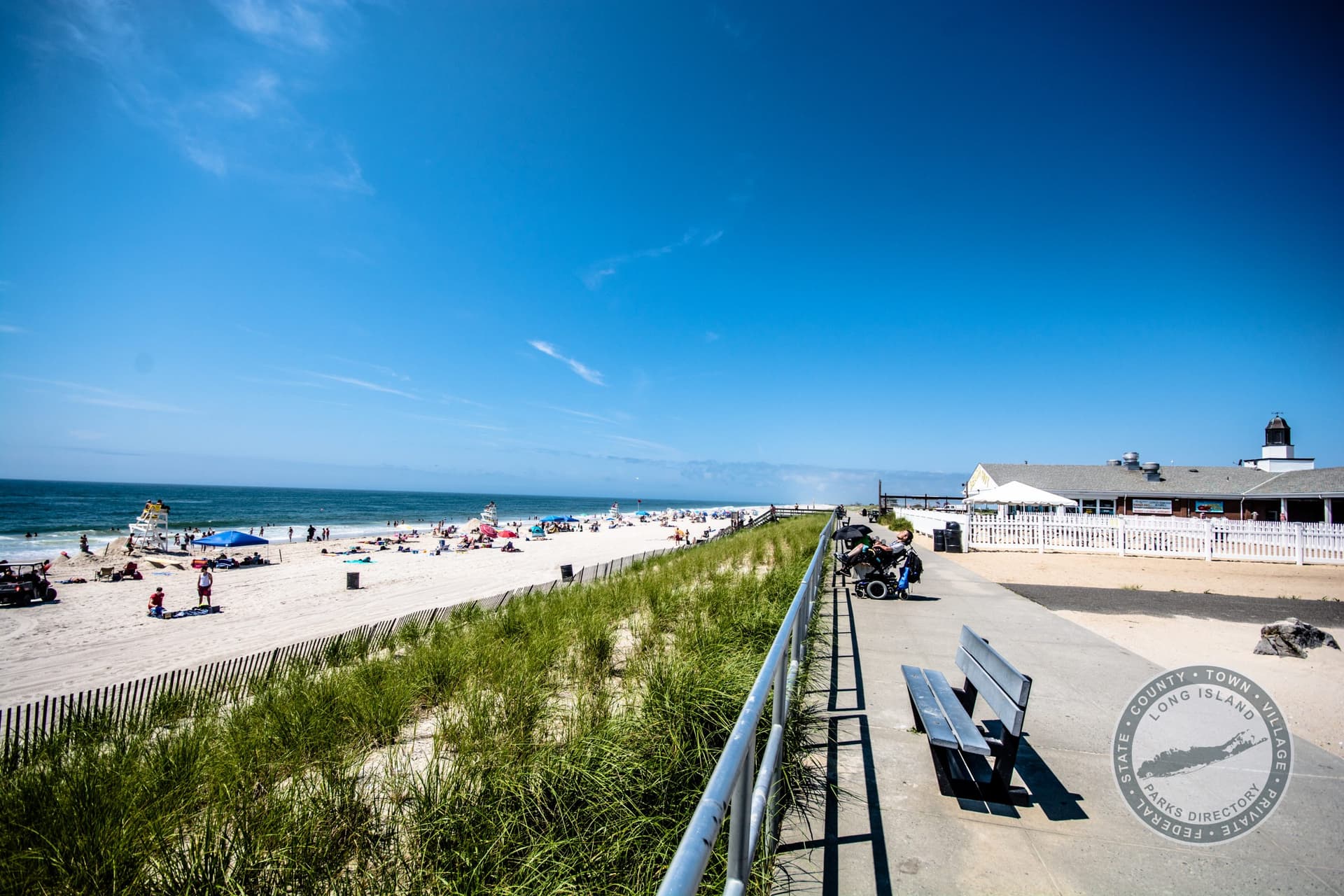
Suffolk County Ferries Connect Communities Across Bays, Peninsulas and Barrier Islands
No bridge connects Shelter Island to the mainland, Fire Island bans cars entirely, and a single ferry from Orient Point can save drivers up to 200 miles of road travel. Suffolk County's ferries are not optional extras — for many communities, they are the only way in.
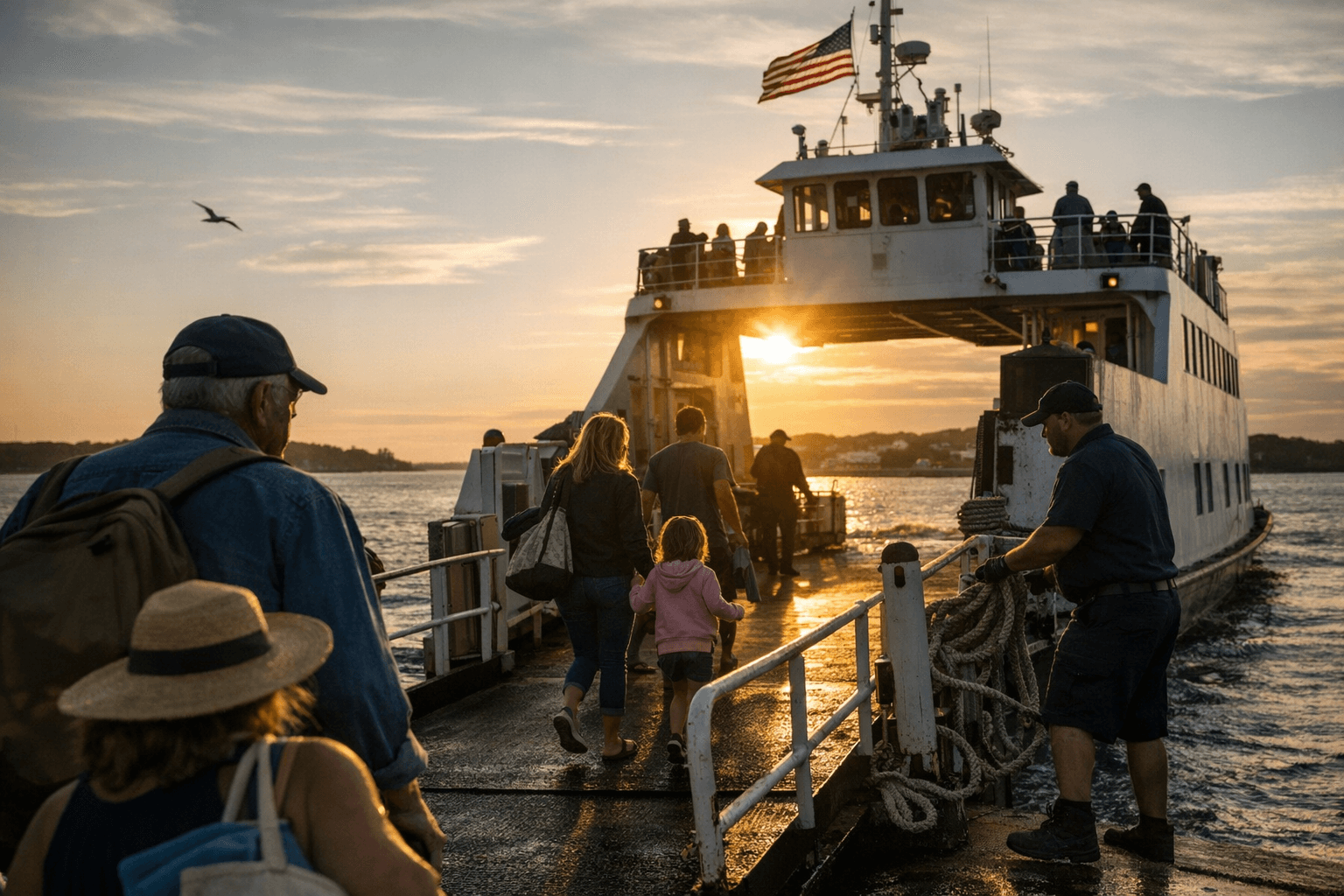
Suffolk County's shape is like no other county in New York. A long spine of land splits into two forks at its eastern end, barrier islands stretch along its southern shore, and bays slice between the North Fork, South Fork, and Shelter Island. That geography makes ferries not just convenient, but for some communities, the only practical way to get there. Four distinct ferry systems serve the county, each operating on different waters, for different purposes, and under very different schedules.
Crossing the Sound: Port Jefferson to Bridgeport
The busiest long-haul crossing in Suffolk County runs between Port Jefferson and Bridgeport, Connecticut, cutting across Long Island Sound. The Port Jefferson ferry operates daily ferry service between Port Jefferson and Bridgeport, and is run by the Bridgeport & Port Jefferson Steamboat Company, one of the oldest ferry companies in America. The crossing takes approximately 1 hour and 15 minutes.
The ferry can fit between 95 and 120 vehicles depending on the vessel servicing the route, making it a genuine alternative for drivers who would otherwise face a long inland detour. With numerous daily crossings, taking the ferry lets you avoid the infamous Throgs Neck bottleneck. On weekdays, the Port Jefferson Ferry starts operating at 6:00 AM, with the last departure at 8:00 PM. Weekend service extends further, with the last departure at 10:00 PM on Fridays through Sundays.
The ferry runs 365 days per year with numerous crossings daily and room for at least 85 vehicles per voyage. The terminal at 102 W Broadway is within walking distance of Port Jefferson village, and the Port Jefferson LIRR station is just over a mile away, making train-to-ferry connections feasible for foot passengers.
The North Fork Gateway: Orient Point to New London
At the far eastern tip of the North Fork, Cross Sound Ferry provides year-round vehicle, truck, motorcoach, and passenger ferry service between Orient Point, Long Island, and New London, Connecticut. Cross Sound Ferry has been operating since 1975 and is a trusted name in regional ferry service.
The route's strategic value comes down to simple geography. Long Island motorists located east of the Throgs Neck Bridge heading toward Connecticut must otherwise drive west into Queens, cross one of the three city bridges to the Bronx, and then drive east to reach New England destinations — a circuitous route that could add as many as 200 miles to a trip between Long Island and New London.
The auto ferry crosses scenic Long Island Sound in 1 hour and 20 minutes; the high-speed passenger-only ferry makes the trip in just 45 minutes. Cross Sound offers up to 52 arrivals and departures daily during the peak summer months. Cross Sound Ferry Services owns a fleet of seven traditional vehicle-passenger ferries and three high-speed passenger-only ferries. Reservations are strongly recommended, especially for vehicles in peak season, as during peak seasons ferries can book up quickly, and securing tickets early is particularly important if traveling with a vehicle.
Shelter Island: Two Ferries, One Island
Shelter Island, nestled between the North Fork and South Fork, requires a different approach entirely. Shelter Island is only accessible by car ferry. The North Ferry departs from Greenport, and the South Ferry from North Haven; the two are operated by separate companies with different ticket prices and schedules.
The North Ferry connects Shelter Island with Greenport and the North Fork. North Ferry operates every day of the year, with the first boat from Shelter Island departing at 5:00 AM on weekdays, running every 10 to 20 minutes throughout the day until a last boat at 11:45 PM. During summer, Friday and Saturday service extends even later. North Ferry accepts cash and checks only, and there are no reservations; traffic is boarded on a first-come, first-served basis.
On the south side of the island, South Ferry operates boats between Shelter Island and North Haven continuously between 5:40 AM and 11:50 PM, seven days per week, 365 days a year, with hours extended in the summer. The trip is approximately 5 minutes. The South Ferry Company shuttles people and vehicles between Shelter Island and North Haven every 10 to 15 minutes. The company operates up to three ferry boats, all relatively new, with capacity for 20 cars each.
For those traveling without a car, both ferries connect to the wider Suffolk County transit network. The North Ferry connects to a multi-modal station in Greenport with access to the Long Island Rail Road station, Hampton Jitney motorcoach, and Suffolk County S92 Bus Line. Because the North and South ferries are two different companies, drivers crossing the island from end to end need to purchase two separate one-way tickets, one from each ferry.
Fire Island: The Great South Bay Crossings
Fire Island is the most car-restricted ferry destination in Suffolk County. The car-free environment is a big part of Fire Island's charm, and the best way to get here from the mainland is to take the ferry. Three separate mainland terminals serve different communities on the island, and choosing the wrong one means arriving far from your destination.
Fire Island Ferries provides service between Bay Shore and the communities of Kismet, Saltaire, Fair Harbor, Dunewood, Atlantique, Ocean Beach, Seaview, and Ocean Bay Park. Sayville Ferry Service provides passage to Fire Island Pines, Cherry Grove, Sailors Haven/Sunken Forest, and Water Island, and has been running the Fire Island route since 1894. The Patchogue ferry terminal services Davis Park and Watch Hill.
Passengers can park at one of the three ferry terminals and take a roughly half-hour ride across the Great South Bay in the fresh, salty air. The Long Island Rail Road provides frequent train service from Pennsylvania Station to Bay Shore, Patchogue, and Sayville, and shuttle services are available from each train station to the respective ferry docks.
A few practical notes for Fire Island travel:
- Ferries leave from Bay Shore, Sayville, and Patchogue depending on which community you are going to, so check your destination before booking.
- Depending on the boat, you can board on foot or in your car, and many ferries can even be used to transport large goods to the barrier islands.
- Before traveling during inclement weather, verify that the ferry is running with its respective company.
Planning Your Trip
Across all four ferry systems, a handful of consistent principles apply. Vehicle capacity is finite, particularly on weekend and holiday runs between Port Jefferson and Bridgeport and at Orient Point during summer. The Shelter Island ferries operate on a walk-up, cash-only basis with no reservations accepted on either the North or South routes. Fire Island ferries run seasonal schedules, with reduced service outside the summer months. And for cross-Sound travel at Orient Point, the trip between Orient Point and New London can save a traveler up to 200 miles of driving, a calculation that makes the ferry not just scenic, but genuinely time- and cost-efficient for anyone heading toward New England from eastern Long Island.
Suffolk County's ferry network, taken together, forms an essential layer of transportation infrastructure that no road map alone can capture.
This article was produced by Prism’s automated news system from verified source data, official records, and press releases, then run through automated quality and moderation checks before publishing. The system is built and supervised by the people who set the standards it runs under. Read our full AI policy.
Did this article answer your question?