Suffolk County seeks public input on hazard plan to protect FEMA funding
Residents can still steer Suffolk County’s next FEMA-linked resilience plan, with a public review window open through June 4 and a key virtual hearing set for May 6.
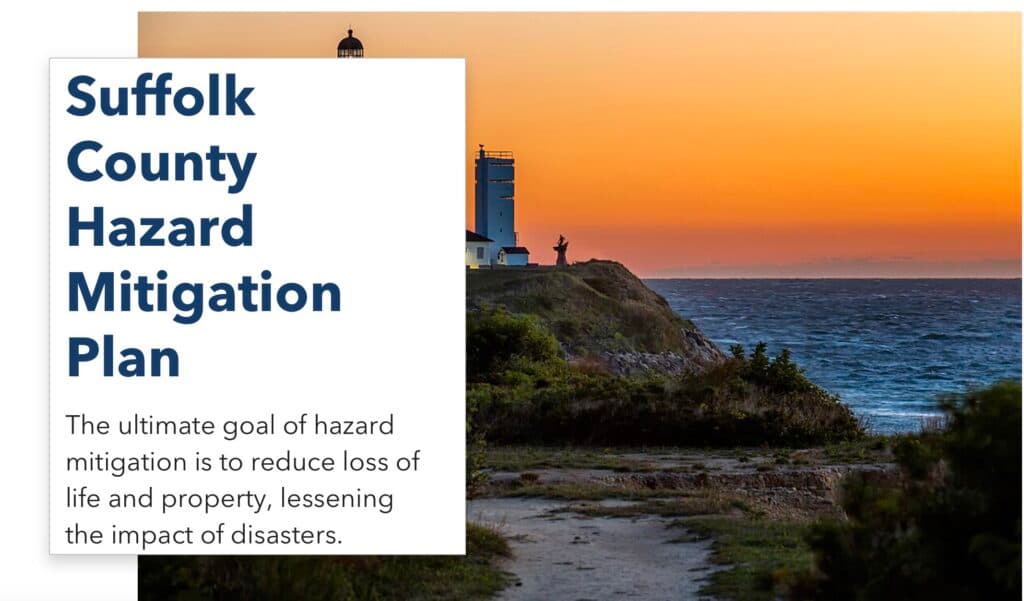
Suffolk County is asking residents to weigh in on an updated hazard mitigation plan as the county works to keep its eligibility for FEMA resilience dollars. The draft is a multi-jurisdictional all-hazard blueprint meant to guide how county and local officials commit resources to reduce storm, flood and other losses.
One virtual draft review meeting was held Monday, May 4, at 2 p.m., and another is set for Wednesday, May 6, at 2 p.m. Smithtown’s municipal calendar says the sessions will cover the structure of the draft 2026 plan, the adoption process, and questions and comments. A 30-day public review period runs through June 4.
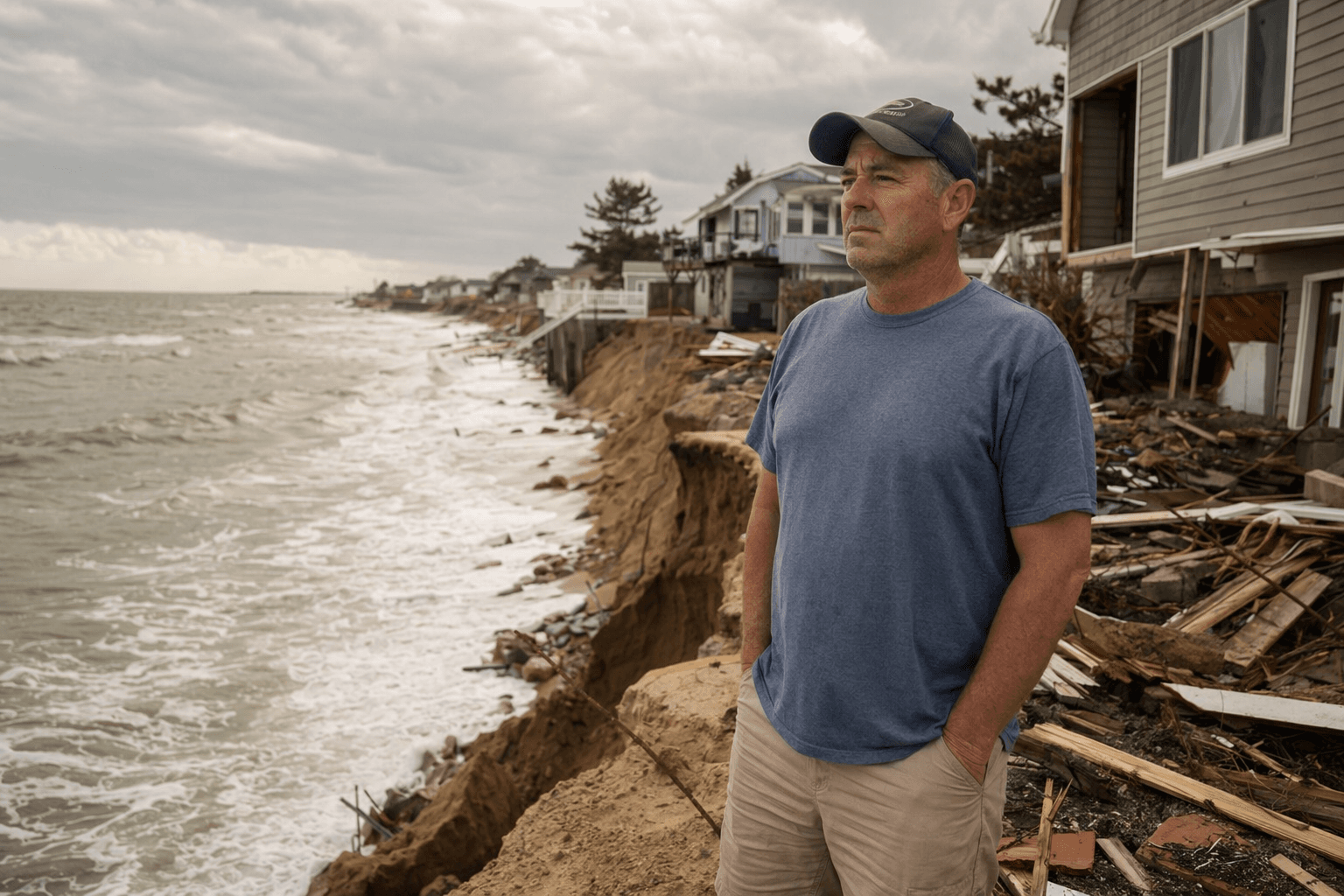
The timing matters because FEMA requires hazard mitigation plans to be updated and resubmitted every five years to maintain eligibility for certain grant assistance. FEMA says communities with current mitigation plans cover 77.7% of the U.S. population, a measure of how much local resilience work now depends on staying inside that federal system. Suffolk County’s current approved hazard mitigation plan was set to expire on Jan. 7, 2026, according to county legislative materials.
County documents show the planning effort has been building for years. Suffolk’s original multi-jurisdictional all-hazards mitigation plan was completed in 2008 and updated in 2014, then revised again in 2020 after officials reviewed hazards and losses since the 2014 version and New York State’s 2019 update. The 2020 plan included coastal erosion, flood, hurricane, nor’easter, severe storm, severe winter storm, shallow groundwater flooding, wildfire, drought, extreme temperature, earthquake, cyber security, disease outbreak, invasive species and groundwater contamination.
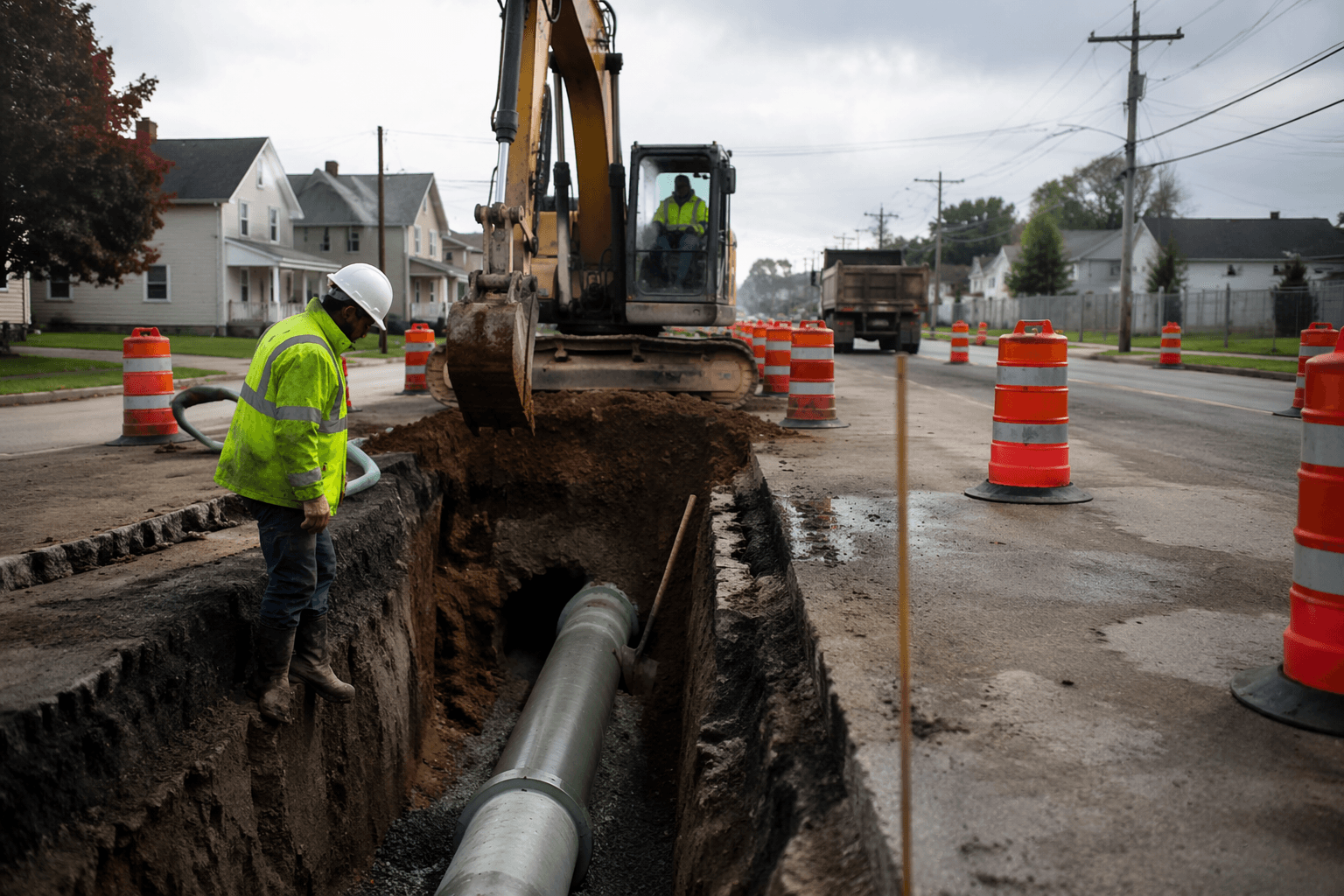
That broad hazard list is why the review is more than a paperwork step. Suffolk’s RESPOND materials say the plan is designed to demonstrate the county and participating jurisdictions’ commitment to reducing risk and to guide decision-makers as they commit resources. In practical terms, what residents flag now could help steer future FEMA-backed work toward flood-prone neighborhoods, drainage fixes, storm sewers, seawalls, elevated roadways and other structural projects in communities across the county, from Riverhead and Smithtown to Port Jefferson and Shelter Island.
The county’s emergency-services materials say Suffolk serves about 1.5 million residents, underscoring the scale of what is at stake. The mitigation planning committee overseeing the effort is described as a working group formed to develop the county’s plan, and county planning pages show the process has brought together local, county, state and federal agencies. The next round of public comments will help shape which hazards and projects Suffolk treats as most urgent before the next storm arrives.
This article was produced by Prism’s automated news system from verified source data, official records, and press releases, then run through automated quality and moderation checks before publishing. The system is built and supervised by the people who set the standards it runs under. Read our full AI policy.
Did this article answer your question?