Suffolk County to treat Riverhead, Flanders and Southold marshes for mosquitoes
Helicopters treated marshes in Riverhead, Flanders and Southold from May 19 to May 22 with VectoPrime FG to cut mosquito larvae before summer.
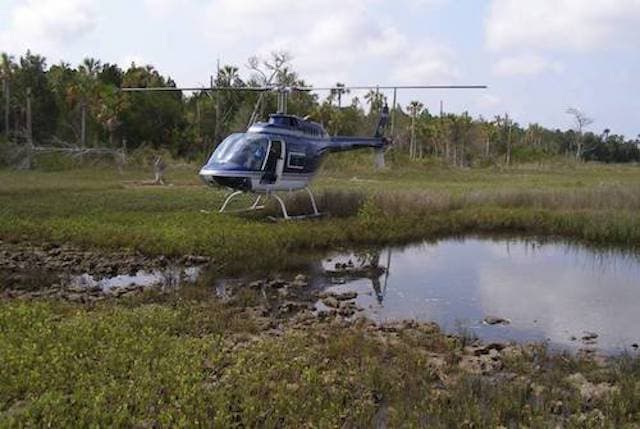
Suffolk County sent a low-flying helicopter over marshes in Riverhead, Flanders and Southold from May 19 through May 22, treating wetland breeding areas with the granular larvicide VectoPrime FG during a window set for 7 a.m. to 6 p.m., weather permitting.
The county said the work was aimed at mosquito larvae in marsh habitat before the insects became more numerous later in the warm season. Because the application depended on weather, the treatment could carry over to the next suitable day if conditions interrupted the schedule.

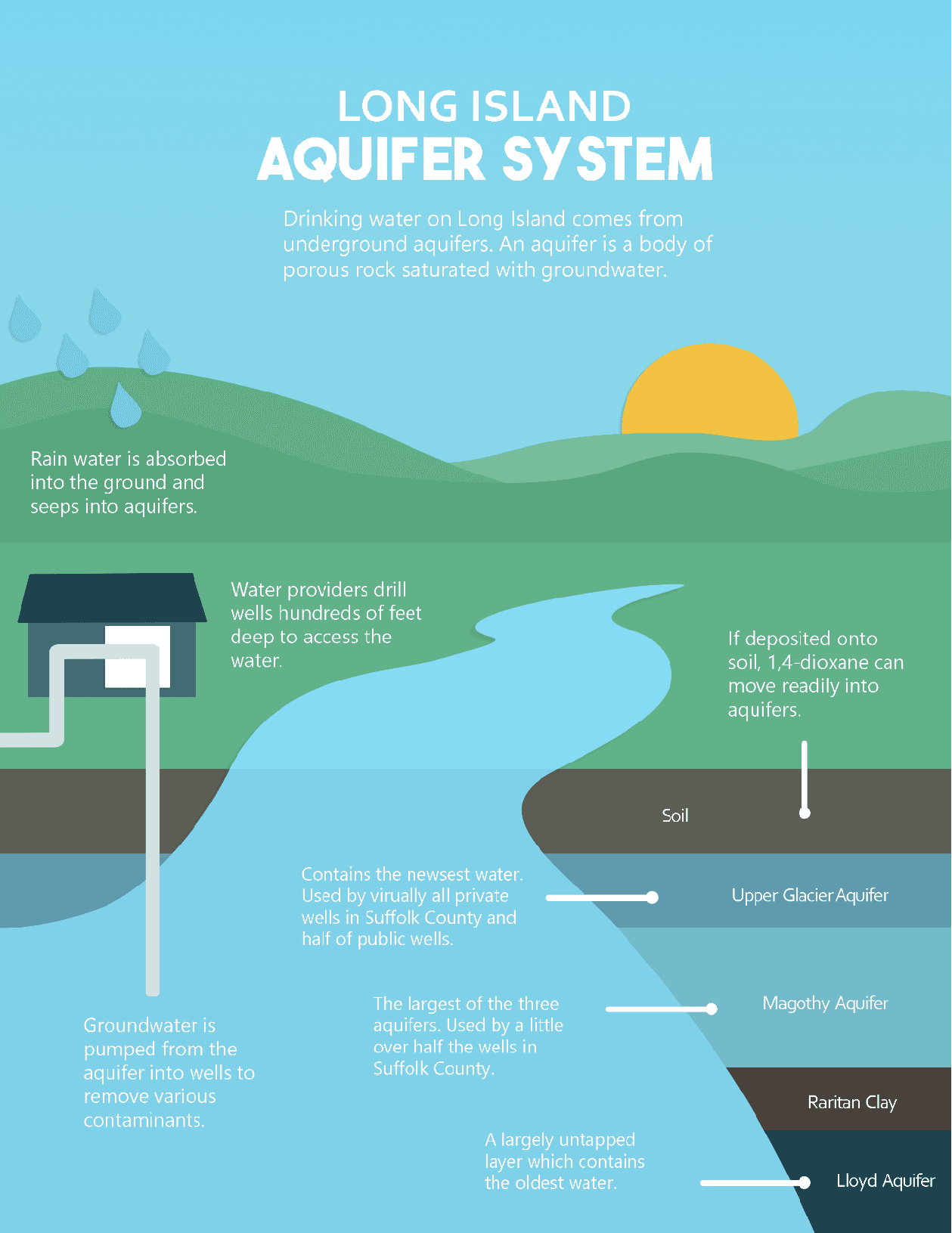
VectoPrime FG is a biological larvicide that contains Bacillus thuringiensis subsp. israelensis, or Bti, and S-methoprene. Suffolk County said it uses the product as part of its long-term vector-control strategy, which is designed to minimize pesticide use while protecting public health and preserving and restoring wetlands.
The treatment fell under the county’s Division of Vector Control, which is responsible for controlling mosquitoes, ticks and other arthropods of public health importance. The division works with the Suffolk County Department of Health Services under state public-health law and county local law. County records show that mosquito-control work in Suffolk dates to USDA experimental projects in 1900, and that the function moved from the Health Services department to the Department of Public Works in 1992 after a 1974 charter change had earlier transferred authority to Health Services.
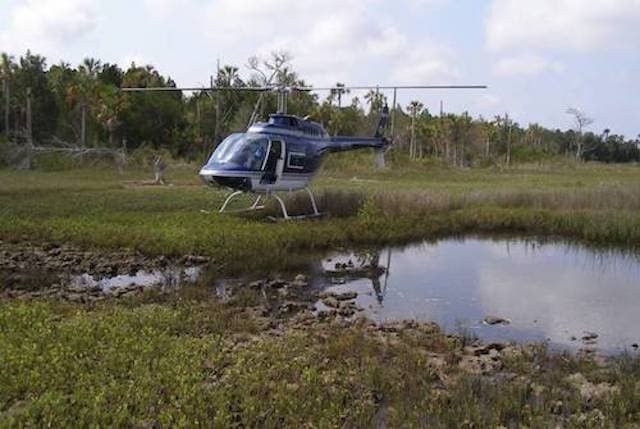
The helicopter work also fit a familiar pattern. Suffolk County has issued similar aerial marsh-larvicide notices in past summers, including June 2024, August 2025 and September 2025, making this a recurring seasonal operation rather than a one-time response.
The public-health case for the program is tied to the county’s mosquito history. Suffolk County reported 21 human West Nile virus cases in 2024 and 5 in 2023. County records also say West Nile virus was first detected in Suffolk County birds and mosquito samples in 1999 and has appeared every year since.
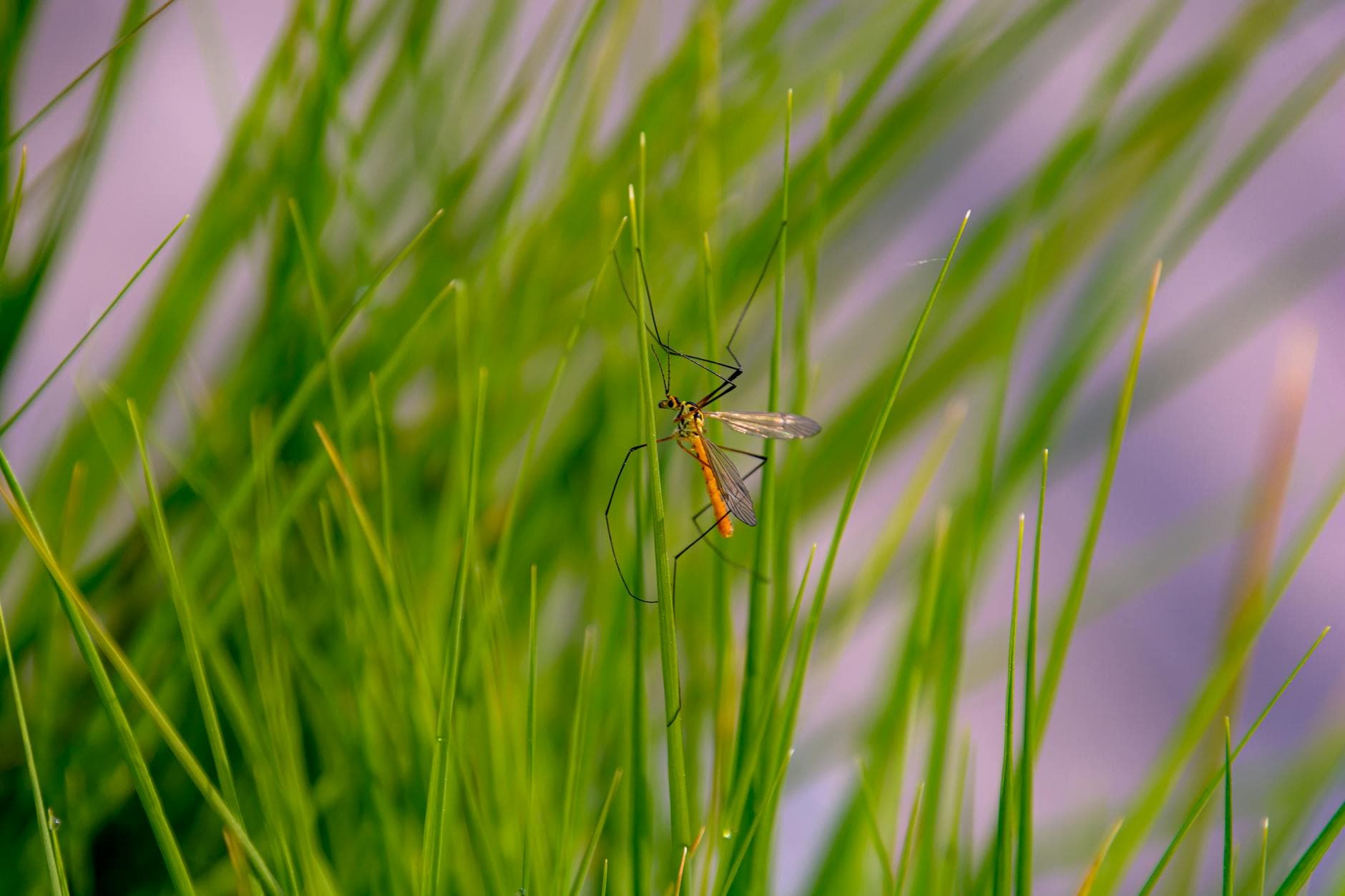
That history gives the marsh treatments a specific purpose: reduce mosquito emergence in places where standing water and tidal wetlands create ideal breeding conditions, and do it before summer activity intensifies across the East End. In Riverhead, Flanders and Southold, the helicopter flights were part of a broader effort to limit mosquito risk while keeping pressure on wetlands as targeted as possible.
This article was produced by Prism’s automated news system from verified source data, official records, and press releases, then run through automated quality and moderation checks before publishing. The system is built and supervised by the people who set the standards it runs under. Read our full AI policy.
Did this article answer your question?