Suffolk e-bike rules face push for changes after adoption
Suffolk’s e-bike restrictions are already drawing calls for changes as riders, police and towns test the rules on trails, roads and sidewalks.
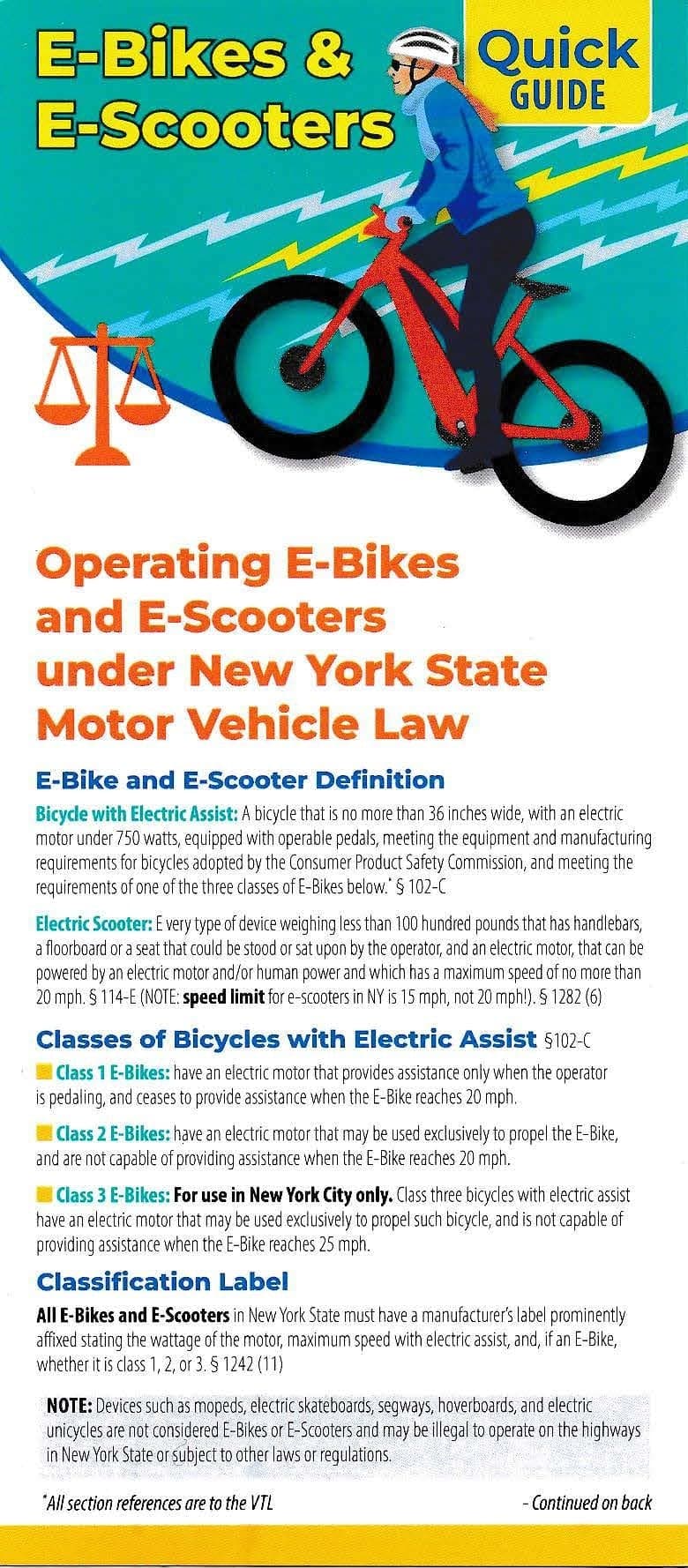
Suffolk County’s new e-bike restrictions are already back under pressure, as riders, trail users and local officials test where the law works and where it does not. The debate now turns on class 1 and class 2 e-bikes, helmet requirements, trail access and how far police should go in ticketing or impounding bikes and scooters.
The county Legislature introduced the measure on Nov. 5, 2025 as Intro. Res. 1835-2025 and later adopted it as Local Law No. 6-2026. The legislative record said county leaders acted because they viewed young riders as a public safety threat and wanted to require helmets while limiting where electric bikes and scooters could be used. The record also said New York law allows people 16 and older to operate bicycles with electric assist and electric scooters, which can reach speeds up to 20 mph.
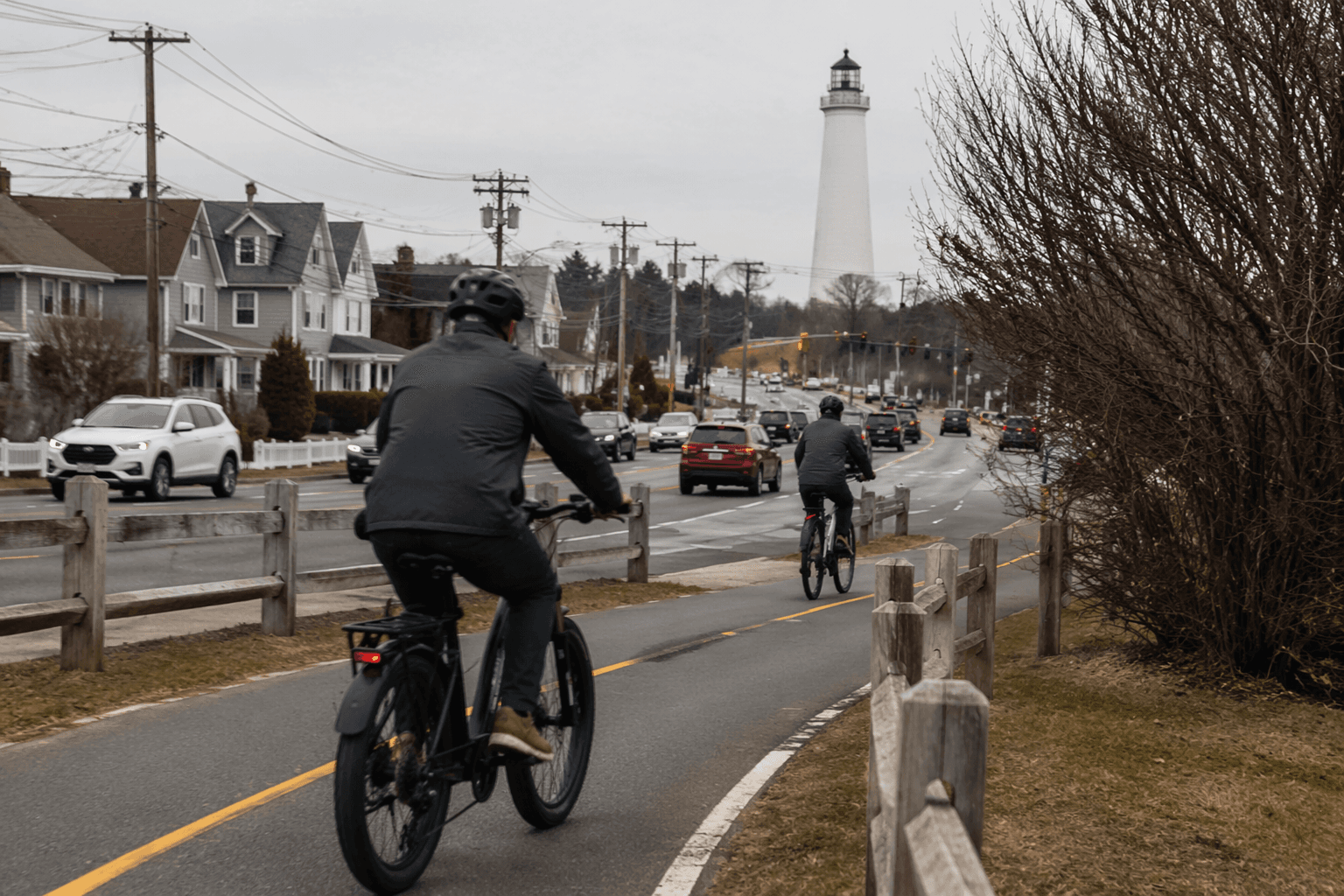
Enforcement has already begun to shape the law in practice. Suffolk police had issued nearly 100 tickets by April 23, 2026, including for riding on sidewalks and on roads where the speed limit exceeds 30 mph. Police said reckless or impaired riding can lead to confiscation of an e-bike or scooter, and Commissioner Kevin Catalina said the department expected some impoundments as violations piled up.
The county rules are now being judged against everyday mobility, especially for teens, commuters and delivery workers who rely on e-bikes for short trips. In Setauket, Peter St. Germaine said he prefers his e-bike for nearby travel and feels boxed in when he has to fall back on a car, a small but telling example of how the law affects routine movement across Suffolk.
The rules also reach trail access, including use on the Veterans Memorial Trail, which has made the countywide debate feel more immediate for walkers, cyclists and police alike. Suffolk’s action in 2025 built on a 2021 county resolution that authorized municipalities to regulate the time, place and manner of e-bike and electric scooter operation, helping open the door to local rules that are now getting more detailed by the month.
Riverhead moved into that same regulatory lane on June 16, 2026, when the Town Board voted 5-0 to adopt its own rules. Riverhead’s law allows e-bikes on public roads up to 20 mph, bars both e-bikes and scooters from roads with posted limits over 30 mph, requires helmets, prohibits passengers and allows seizure or impoundment for certain violations. Town officials said they were trying to balance safety concerns about teenagers misusing the devices with older residents who use e-bikes for exercise and trail access.
The pattern across Suffolk is clear: local governments are no longer debating whether to regulate e-bikes, but how tightly to draw the lines before the rules start limiting the very mobility they were meant to manage.
This article was produced by Prism’s automated news system from verified source data, official records, and press releases, then run through automated quality and moderation checks before publishing. The system is built and supervised by the people who set the standards it runs under. Read our full AI policy.
Did this article answer your question?