Suffolk Leads State in Cyanobacteria Blooms as Water Warnings Mount
Suffolk County had 27 cyanobacteria blooms in 2025, topping New York as Gobler warned that warming waters, nitrates and dead zones are reshaping daily life.
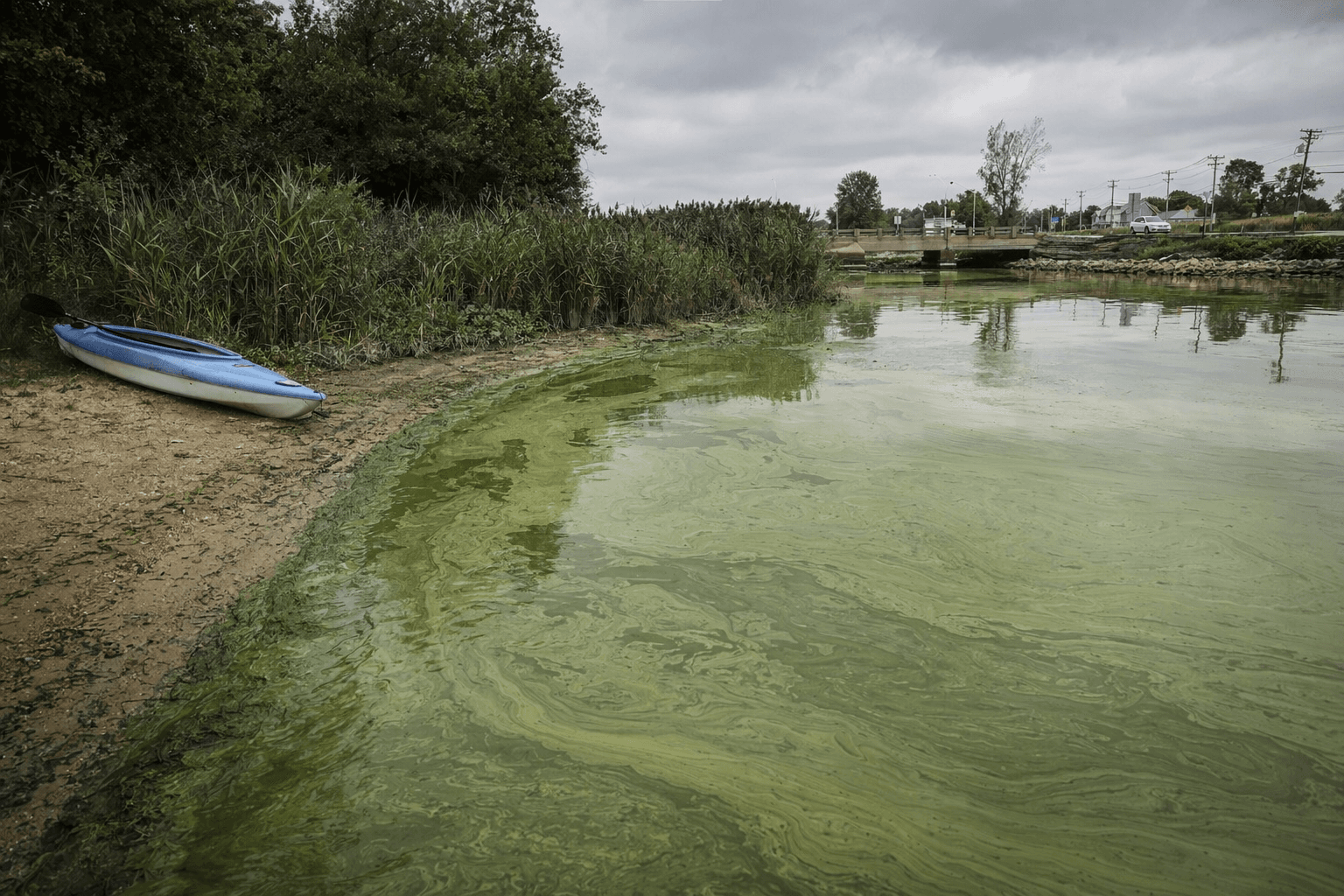
Suffolk County led New York last year with 27 cyanobacteria blooms, part of a statewide record of 252, a number that makes clear the East End’s water problems are no longer isolated flare-ups. The attention paid to Vibrio vulnificus, the bacterium sometimes described in the shorthand of “flesh-eating,” can obscure a larger crisis unfolding across beaches, shellfish beds, boating waters and drinking water supplies.
Christopher Gobler laid out that broader picture on April 2, 2025, at Stony Brook Southampton during the annual State of the Bays lecture. He said, “We’re seeing concerning trends in both groundwater and surface waters across Long Island.” Gobler, who works at Stony Brook University’s School of Marine and Atmospheric Sciences and the New York State Center for Clean Water Technology, tied the decline to warming waters, pollution and development pressure that keeps pushing more nitrogen into groundwater and bays.
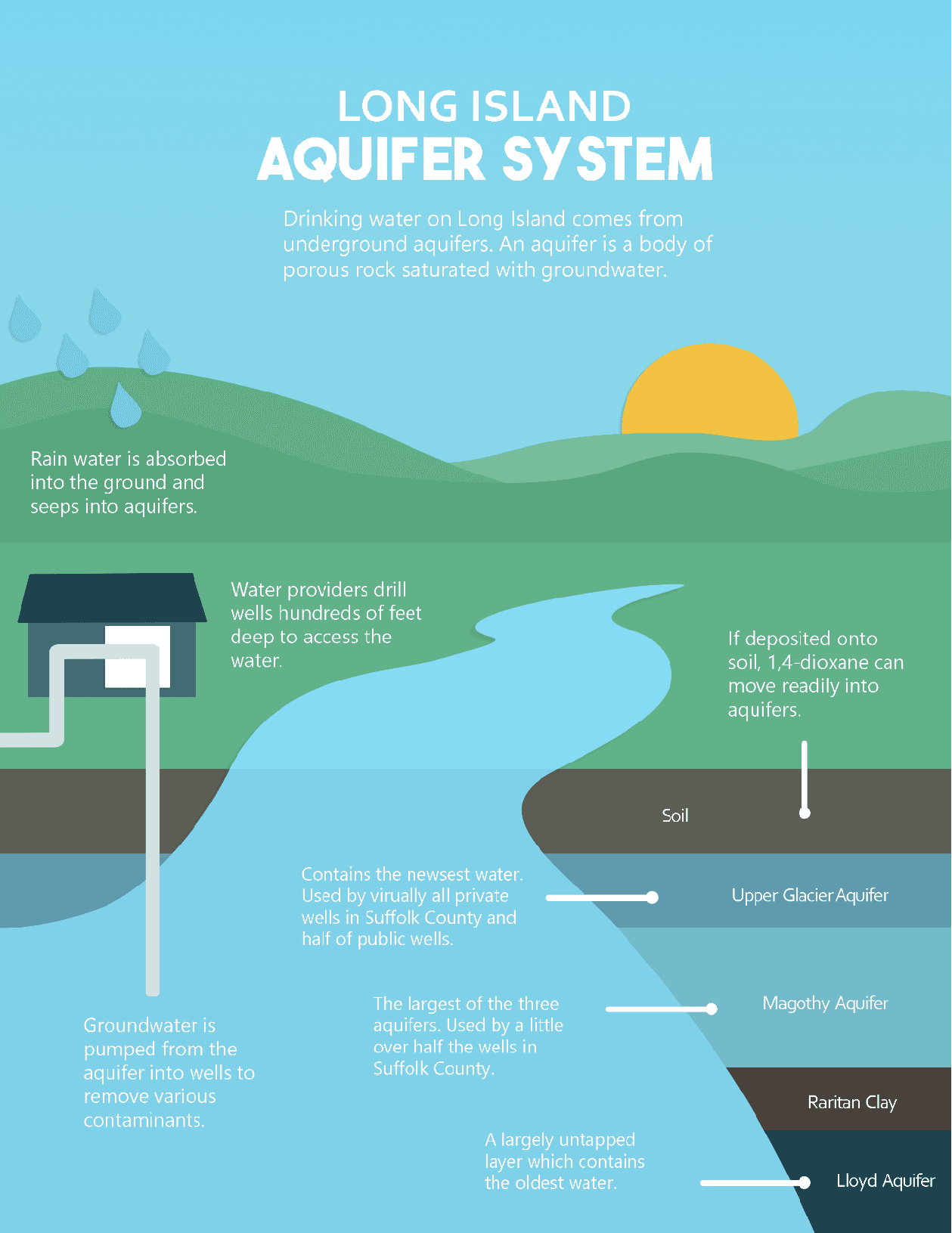
That nitrogen matters far beyond ecology. The U.S. Environmental Protection Agency says nitrate and nitrite can pose acute health risks, including methemoglobinemia, or blue baby syndrome. Gobler has also warned that even levels below the federal standard may still carry health risks, including possible cancer risk, a reminder that what seeps into groundwater does not stay abstract for long on an island built on wells.
The public health concern is sharpened by Vibrio vulnificus, which the Centers for Disease Control and Prevention says can cause necrotizing fasciitis and kills about 1 in 5 infected people, sometimes within a day or two. The New York State Department of Health says vibriosis is more common from May to October, when waters are warmer, and that infection can come from raw or undercooked shellfish or wounds exposed to saltwater or brackish water. The CDC issued a Health Alert Network advisory on Sept. 1, 2023, after fatal cases tied to heat waves in Connecticut, New York and North Carolina. Stony Brook University said about three local people died from bacterial infections in 2023, including exposure to Long Island Sound.
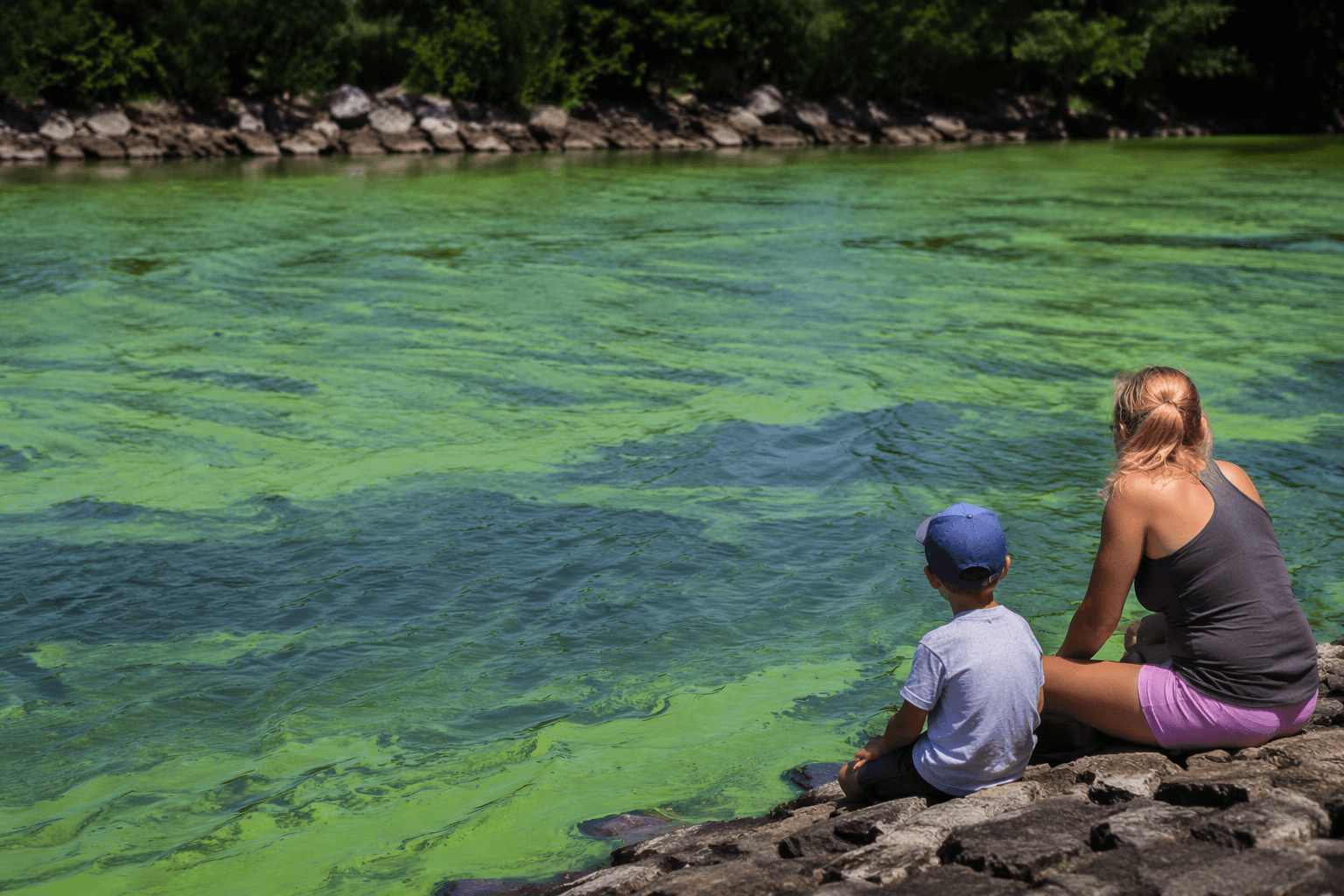
The same warming that helps Vibrio thrive is also fueling harmful algal blooms. The most common bloom-forming species across Long Island is Microcystis, which produces microcystin, a toxin once nicknamed the “fast death factor” because of its effect on test mammals. Dogs have been poisoned by cyanobacteria in freshwater bodies such as Georgica Pond, a warning that the risks reach families, pets and anyone using local waters.
The broader ecosystem damage is just as stark. Stony Brook’s 2024 water-quality assessment found a record 36 distinct dead zones across Long Island and said every major bay and estuary was affected by harmful algal blooms, oxygen-starved dead zones or fish kills during summer 2024. For Suffolk County, that means the debate is no longer about one bad headline. It is about a mounting pattern that touches public health, tourism, shellfishing, boating and the daily life of the East End.
This article was produced by Prism’s automated news system from verified source data, official records, and press releases, then run through automated quality and moderation checks before publishing. The system is built and supervised by the people who set the standards it runs under. Read our full AI policy.
Did this article answer your question?