Winter in Suffolk County, practical activities and civic resources
This guide highlights accessible winter activities across Suffolk County and outlines civic resources and safety considerations that matter to residents and visitors. The offerings from public and cultural institutions affect mobility, local business vitality, and equitable access to programming during the winter months.
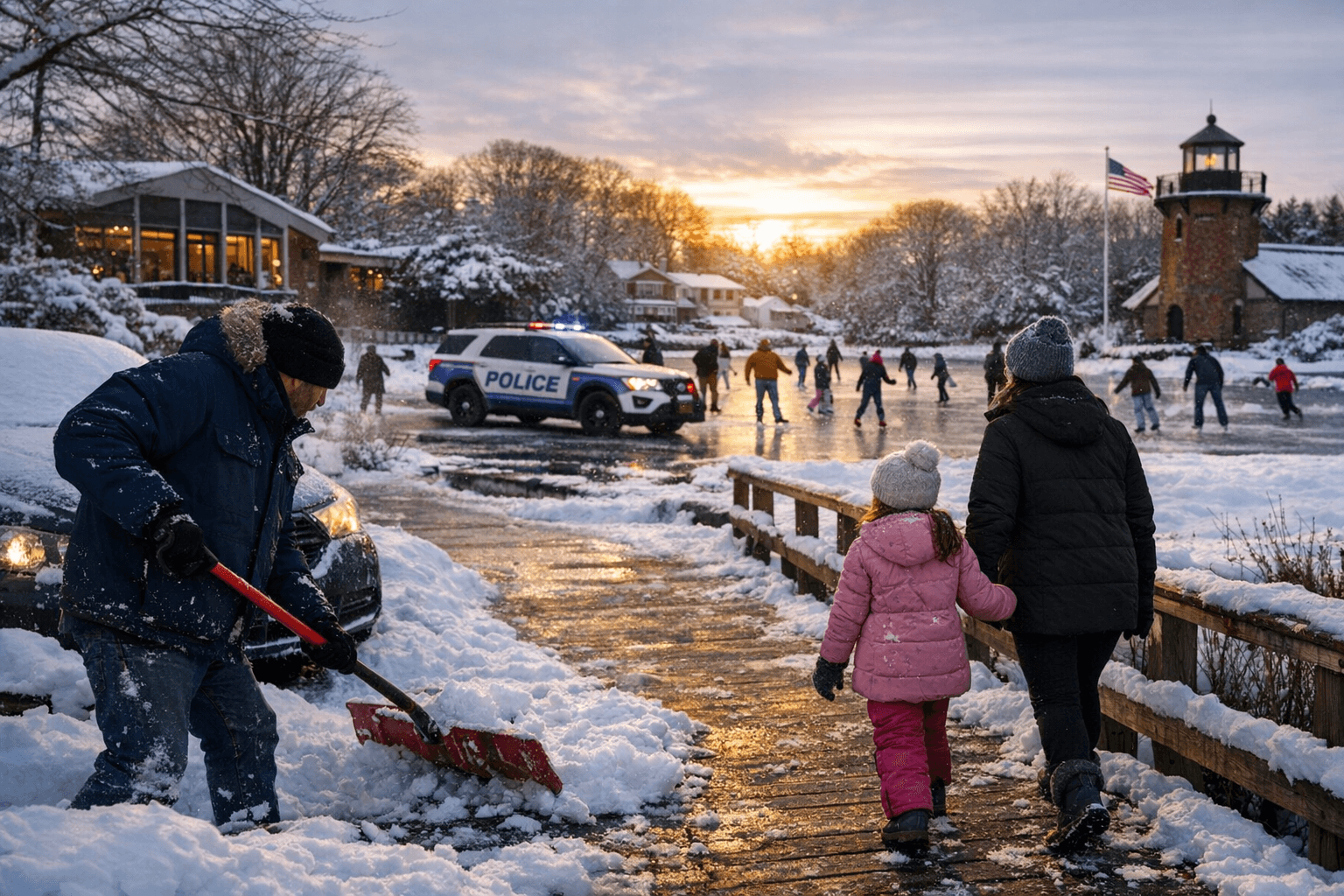
Suffolk County offers a mix of indoor cultural programming and outdoor recreation that remains active through the winter, and local officials and institutions play a central role in keeping those options safe and accessible. Popular public destinations include ice skating on Boston Common Frog Pond, winter storytimes and lending services at the Boston Public Library, and indoor family friendly exhibits at the New England Aquarium. Museums such as the Museum of Fine Arts and the Isabella Stewart Gardner Museum provide climate controlled spaces for visitors while performance venues including Symphony Hall and the Wang BOCH Center host concerts and holiday programs that draw regional audiences.
Outdoor options remain viable when conditions permit, with the Harborwalk and Seaport offering winter walks and waterfront views. Neighborhood commercial corridors in East Boston, Dorchester and the North End provide year round shopping opportunities and market activity that support small businesses during a season when foot traffic can drop. Winthrop and Revere waterfronts continue to provide seasonal dining and clam shack comfort food that anchors local tourism and livelihoods.
Access to these amenities depends on institutional coordination and municipal services. Free days at cultural institutions and city family day programs reduce cost barriers and extend access to lower income residents, but they rely on sustained funding and outreach. Transit reliability is critical since many attractions are reachable by public transportation. Residents and visitors should monitor transit advisories and plan for slower service during storms and extreme cold. Municipal winter maintenance for sidewalks and crosswalks affects pedestrian safety and access to neighborhood businesses and cultural sites.
Safety considerations include dressing for cold weather, allowing extra travel time on public transit and roads, and checking facility schedules for weather related closures. Public agencies and cultural institutions should publish clear, timely advisories to minimize disruptions and to protect vulnerable populations. For civic engagement, residents can influence service priorities by participating in municipal budget hearings, attending cultural institution outreach sessions, and contacting local representatives about transit performance and winter maintenance standards.
Practical planning will make winter visits safer and more rewarding. Residents and visitors should confirm hours and program availability before traveling, use public transit alerts during inclement weather, and support local small businesses that sustain neighborhood character throughout the season.
This article was produced by Prism’s automated news system from verified source data, official records, and press releases, then run through automated quality and moderation checks before publishing. The system is built and supervised by the people who set the standards it runs under. Read our full AI policy.
Did this article answer your question?