Black Bears Emerging in NH; Officials Urge Removal of Food Attractants
Bird feeders left up past April 1 are Sullivan County's fastest path to a bear in the yard, state wildlife officials warned last week.
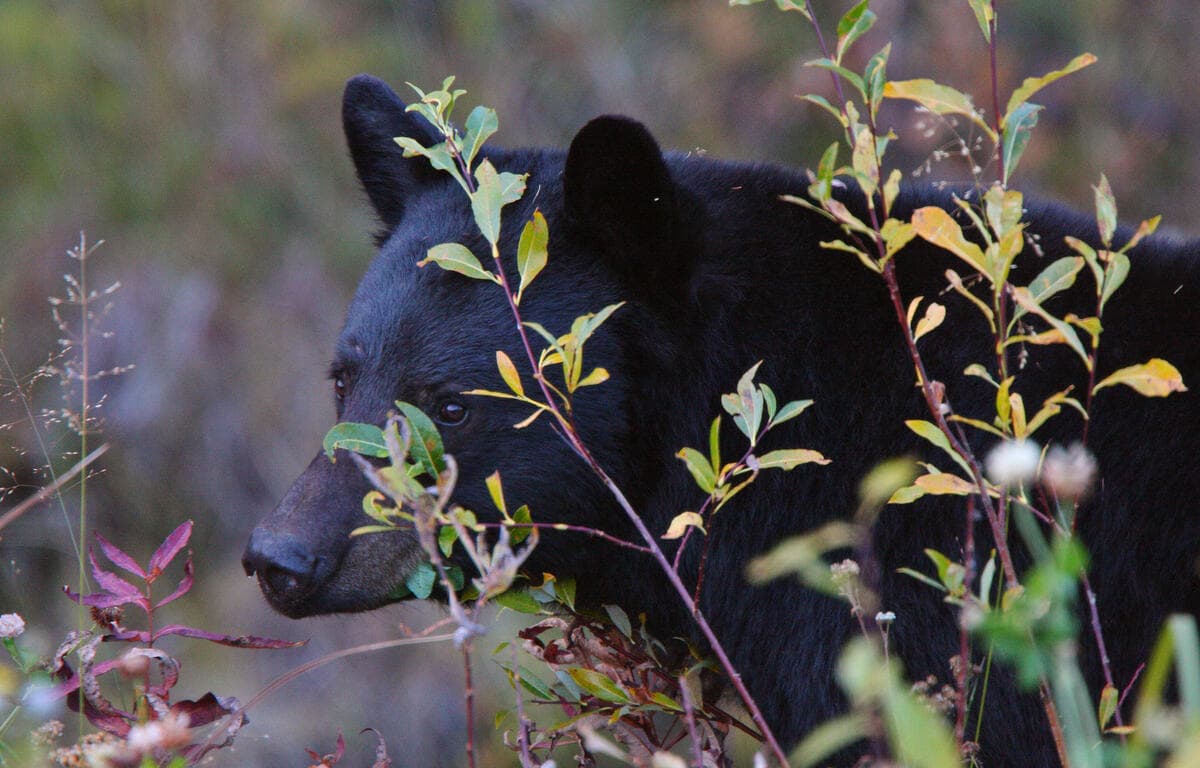
With tomorrow's April 1 deadline closing in, property owners in Claremont, Newport, Charlestown, Sunapee, and Grantham have one immediate task: take down the bird feeder.
That is the core message from Dan Bailey, Bear Project Leader for the New Hampshire Fish and Game Department, who issued a statewide advisory March 24 as black bears begin emerging from winter dens in search of food. Sullivan County sits south of the White Mountains, placing it in the zone where Fish and Game recommended removing feeders by March 15 or at the onset of spring-like weather, with April 1 as the hard statewide cutoff.
The urgency is grounded in numbers Bailey's department tracks year over year. Unsecured garbage accounts for 35 percent of human-bear conflicts statewide; unprotected backyard poultry drives another 27 percent. Bird feeders account for a significant share of the remaining incidents. Together, those three attractants fuel the overwhelming majority of bear complaints that generate wildlife calls, municipal enforcement responses, and, in the worst cases, the destruction of a habituated animal.
"If the public would be willing to address these three common attractants, we could quickly reduce annual human-bear conflicts by more than 80%, which would benefit both people and bears," Bailey said.
The bears now emerging are coming out with real caloric deficits. "Bears denned rather late last fall due to an abundance of natural foods and then remained inactive throughout the cold winter months," Bailey said, meaning animals are entering spring hungry and with a narrowed wariness of residential spaces.
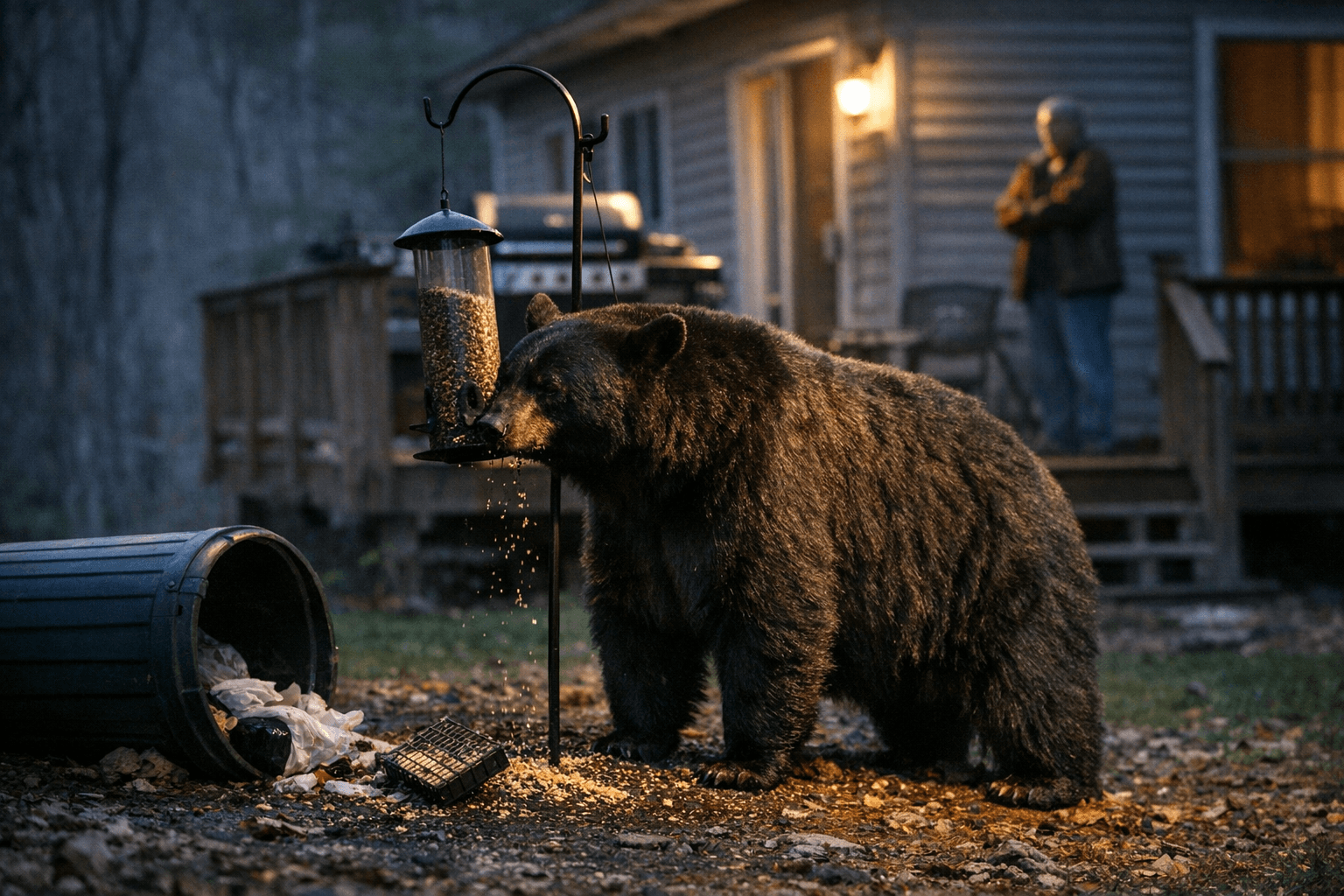
Sullivan County's combination of forested acreage and lakeshore residential development in towns like Sunapee and Grantham makes outdoor food storage especially consequential. A bear that finds a feeder or open trash bin once will return, and a bear that repeatedly associates a property with food typically ends as a nuisance call, an expensive wildlife removal, or worse.
The preventive steps are straightforward. Store trash in a garage or a bear-resistant container and only bring bins to the curb on collection morning. Secure compost bins, bring pet food inside, and clean up spilled birdseed. Backyard farmers with chickens, livestock, or bees should install electric fencing before purchasing new chicks this spring. Keep children and pets indoors at dawn and dusk, when bears are most active.
Anyone who spots a bear should report it to the joint USDA Wildlife Services and New Hampshire Fish and Game hotline at 888-749-2327 rather than attempting to haze or approach the animal.
For Sullivan County neighborhoods where bears have already been seen this season, the recommended removal window passed two weeks ago.
This article was produced by Prism’s automated news system from verified source data, official records, and press releases, then run through automated quality and moderation checks before publishing. The system is built and supervised by the people who set the standards it runs under. Read our full AI policy.
Did this article answer your question?