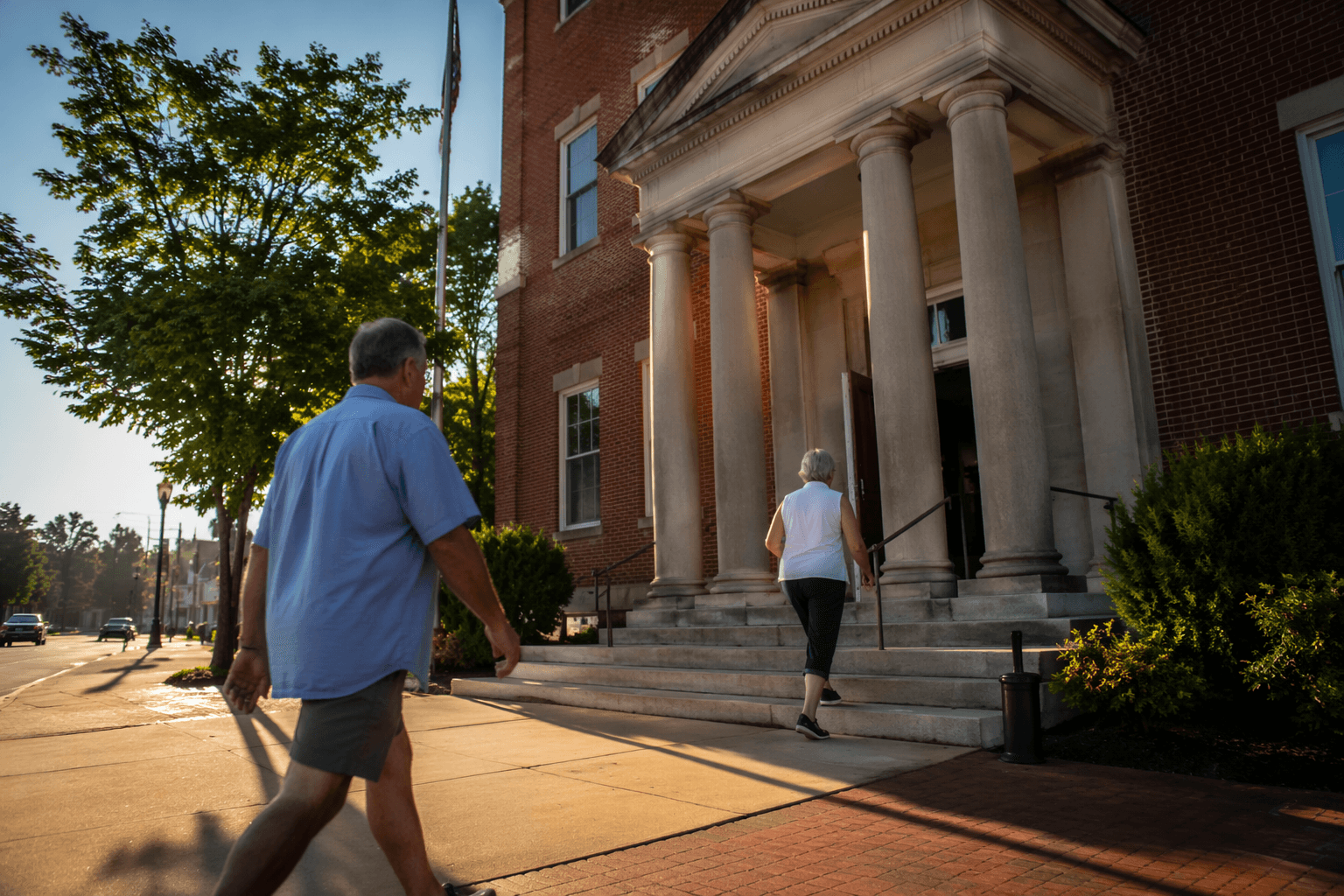
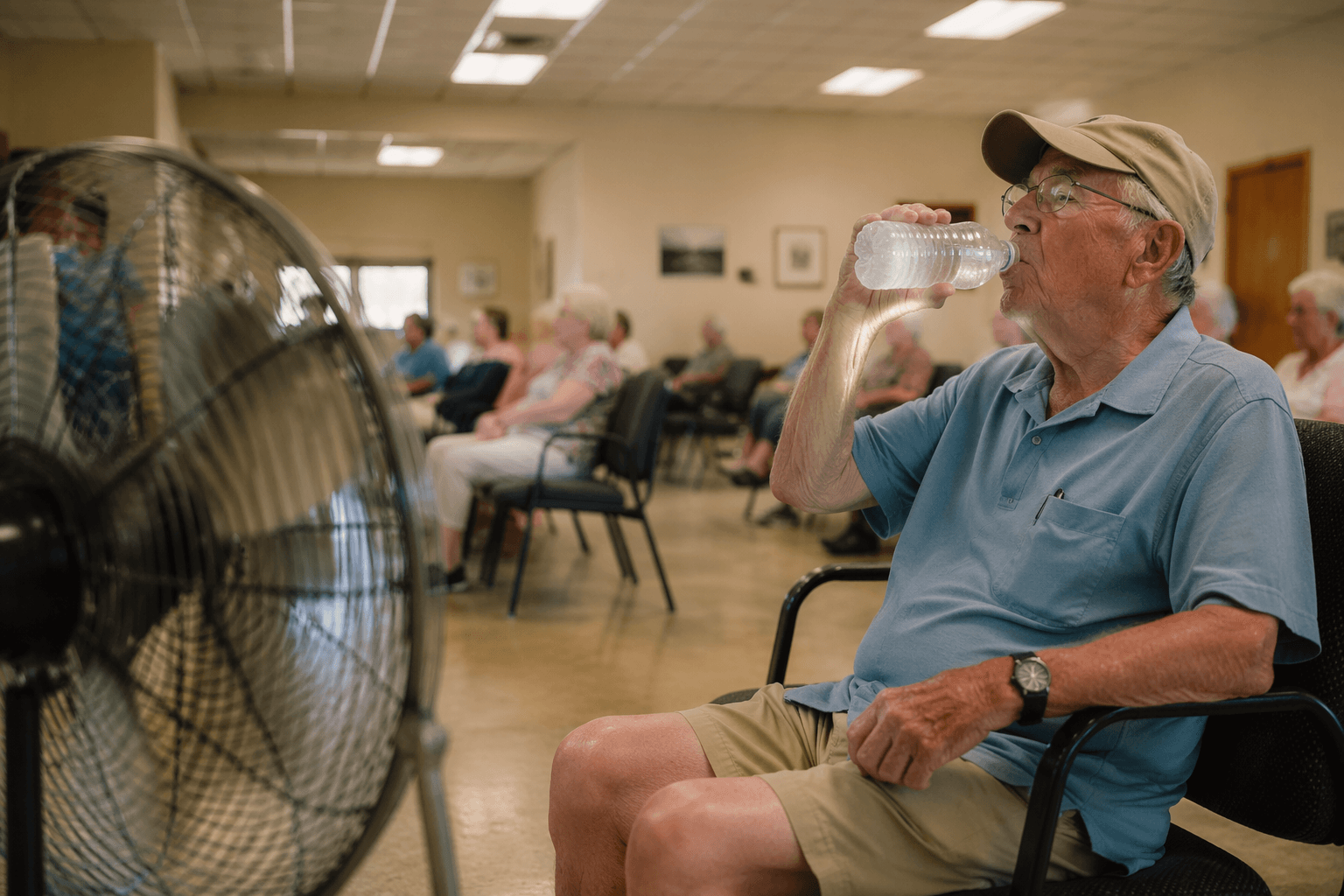
Claremont opens cooling shelter at South Street community center
Claremont opened South Street’s community center as a cooling shelter for three days, but only during normal hours and only in common areas for non-members.

Claremont opened the Claremont Savings Bank Community Center at 152 South Street as a cooling shelter for residents facing dangerous heat, but the space was available only during the center’s normal operating hours and non-members were limited to the common areas.
The city set the shelter to run from July 1 through July 3, a short-term response meant to give people a place to cool down during extreme weather. That matters most for older adults, people with medical conditions, young children and anyone living or working in buildings that heat up quickly, including renters without air conditioning and residents trying to get through the hottest part of the day without risking dehydration or overheating.
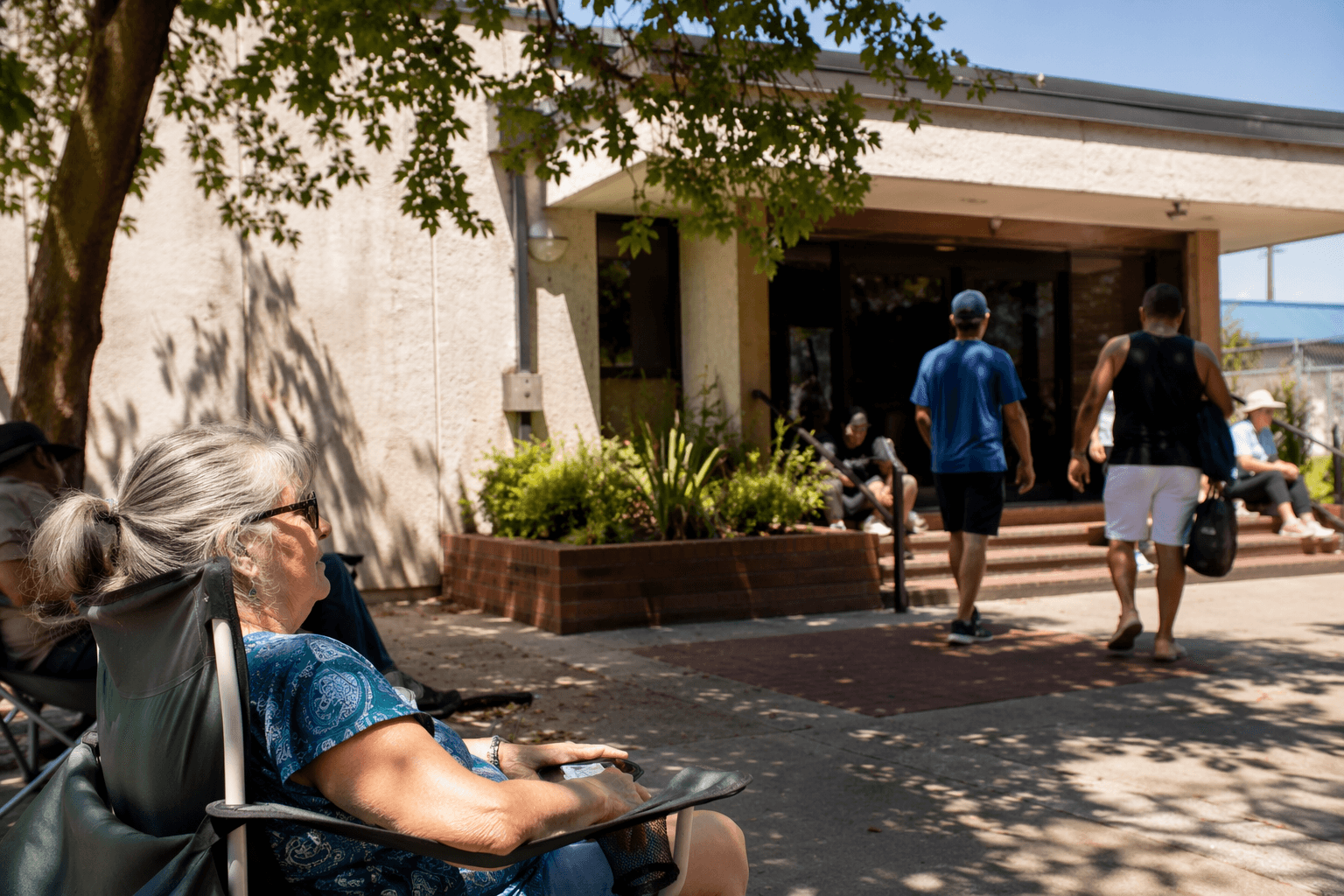
The shelter uses a familiar municipal space rather than a separate emergency site. The community center is normally a membership-based facility, and Claremont has used the same building before as a winter warming shelter, underscoring its role as a seasonal refuge when temperatures turn dangerous.
The timing matched a broader heat alert across New Hampshire. New Hampshire Public Radio reported June 30 that the state was under an extreme heat watch Wednesday through Friday, while the National Weather Service warned that dangerous and record-breaking heat could affect large parts of the country during the same stretch.
For people looking beyond Claremont’s South Street site, residents in New Hampshire are commonly directed to call 211 for cooling-center information. That can matter when local options are crowded, when transportation is limited or when someone needs the nearest indoor break fast.
The city’s notice did not lay out special evening or overnight hours, and the shelter operated only within the community center’s regular schedule. That makes the South Street location useful as a daytime heat refuge, but it also leaves the toughest hours of a heat wave to personal planning, public transit, rides from family or neighbors, and any other cooling access people can arrange on their own.
This article was produced by Prism’s automated news system from verified source data, official records, and press releases, then run through automated quality and moderation checks before publishing. The system is built and supervised by the people who set the standards it runs under. Read our full AI policy.
Did this article answer your question?