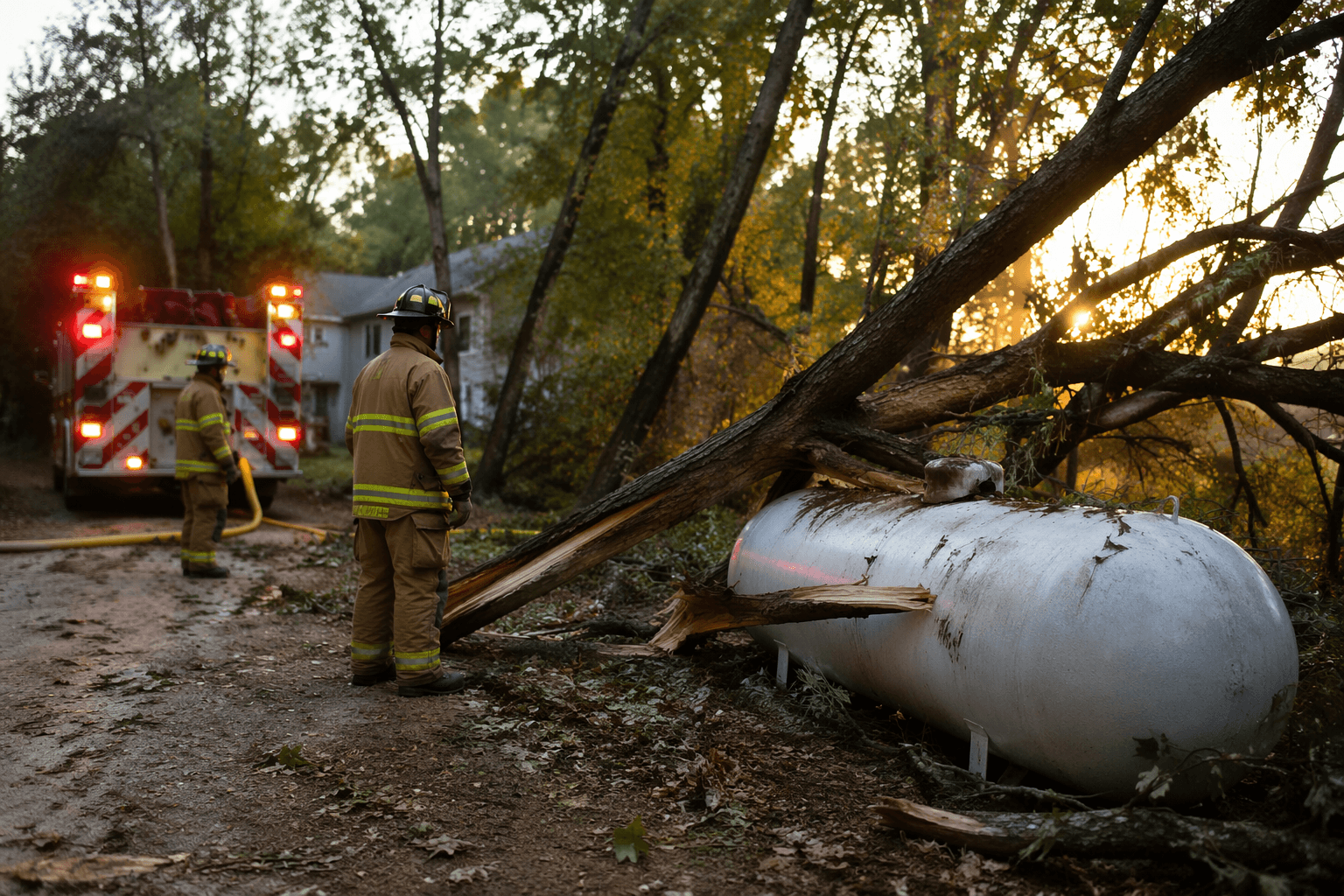
Ice Storm Knocks Out Power and Causes Crashes in Sullivan County
An overnight ice storm on Dec. 28–29 left widespread freezing rain across central and northern New Hampshire, prompting winter weather warnings that included Sullivan County and producing dangerous travel conditions. The storm led to widespread outages, emergency responses to multiple crashes and road closures, and reinforced concerns about infrastructure resilience and local emergency preparedness.

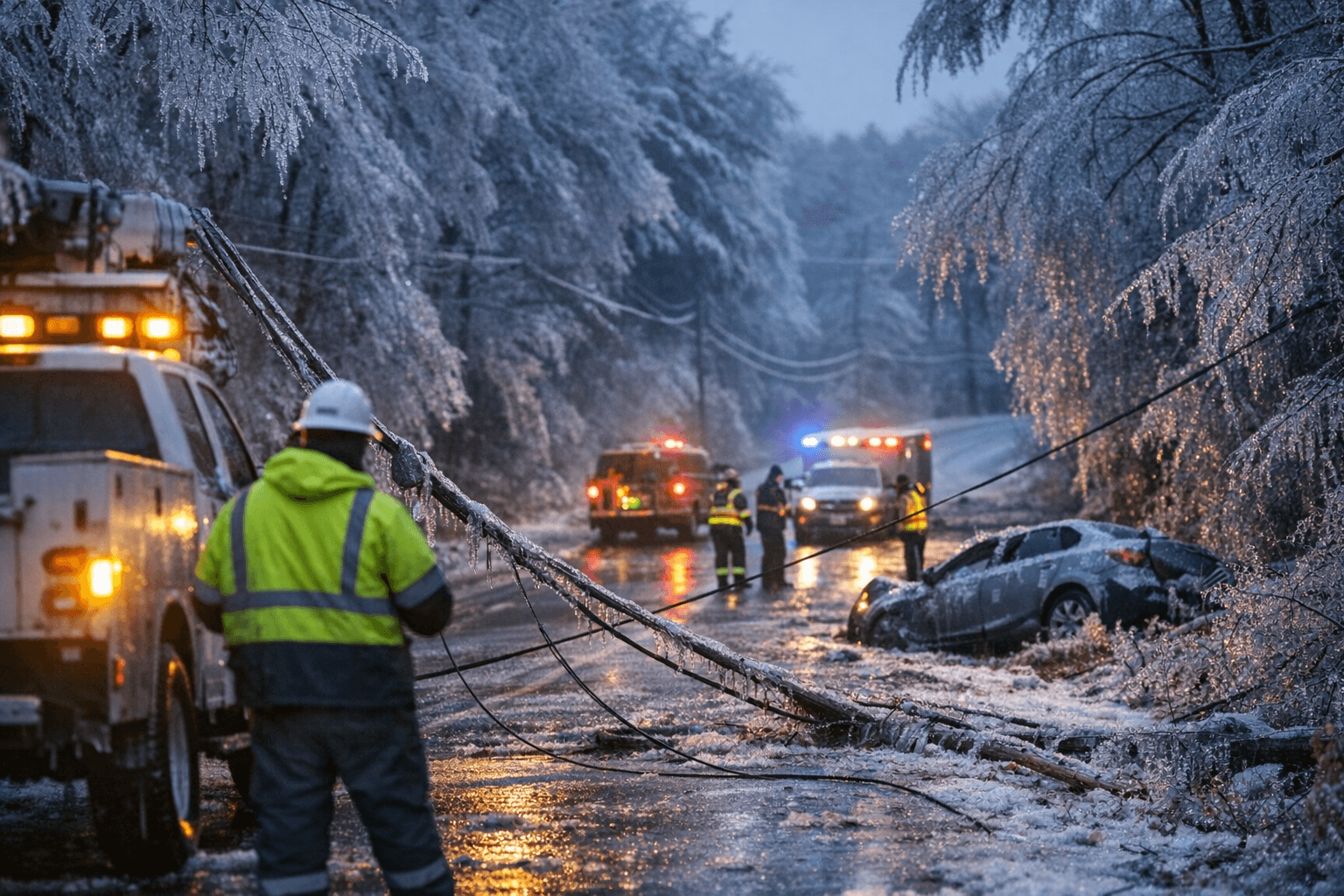
A line of freezing rain that moved through central and northern New Hampshire on Dec. 28–29 produced significant ice accretion and gusty winds, prompting winter weather warnings that included Sullivan County. The National Weather Service warned some locations could see more than a quarter-inch of ice, a level that raises the risk of downed tree limbs and power lines and increases the likelihood of outages.
By the morning after the storm, roughly 20,000 customers across the state were without power, with large outage totals reported by major utilities including the New Hampshire Electric Cooperative and Eversource. Utility crews were mobilized statewide to assess damage and restore service, while local emergency personnel responded to multiple road incidents during the morning commute. State and local police and first responders dealt with crashes and hazardous conditions; one reported incident led to at least one lane closure on Interstate 89 in Sutton after multiple vehicles were involved.
For Sullivan County residents the immediate impacts were practical and urgent. Slick, ice-covered roads hampered travel and local responders, increasing response times for crashes and traffic incidents. Power outages created additional hazards, particularly for seniors and residents who rely on electrically powered medical equipment. Municipal operations such as road clearing and municipal building access were strained as crews prioritized downed lines and impassable stretches of roadway.
The storm highlights persistent policy and institutional questions about regional preparedness and infrastructure resilience. Repeated winter storms place pressure on grid maintenance, tree-trimming programs, and mutual-aid agreements among utilities and municipalities. Effective communication from county emergency management and utilities is critical during outages and hazardous-road events; residents should monitor official county alerts and utility updates for restoration timelines and safety instructions.
Residents should avoid travel where possible until roads are cleared and treated, expect slick surfaces on secondary and rural roads, and heed directions from emergency management and utility officials. Report outages and hazardous conditions to your electric provider directly so crews can prioritize repairs. Local municipal offices and emergency management remain the primary points of contact for sheltering and road condition updates.
As Sullivan County moves into the cleanup and restoration phase, the storm serves as a reminder to review household emergency plans, check on vulnerable neighbors, and to advocate locally for investments in grid resilience and coordinated emergency response to reduce future disruption.
This article was produced by Prism’s automated news system from verified source data, official records, and press releases, then run through automated quality and moderation checks before publishing. The system is built and supervised by the people who set the standards it runs under. Read our full AI policy.
Did this article answer your question?