New regional listing connects Sullivan County residents to food help
A comprehensive regional listing of food shelves and soup kitchens across the Upper Valley is available, with entries for Charlestown, Claremont, Grantham and nearby towns. The resource compiles locations, typical hours, contact information and brief notes about services, making it a practical tool for residents in need, donors, volunteers and municipal staff coordinating emergency food access during the winter months.

A maintained regional reference listing now provides consolidated information on food shelves and meal programs across the Upper Valley, including multiple Sullivan County sites. The listing includes local entries such as Charlestown Food Shelf, Claremont Soup Kitchen and Grantham Food Pantry, and compiles locations, typical hours, contact information and brief notes about the services available at each site. For residents facing food insecurity this winter, the resource aims to reduce time spent searching for help and to improve timely access to meals and groceries.
For neighbors who want to donate or volunteer, and for municipal and social service staff coordinating emergency responses, the listing functions as a practical operational tool. Centralizing schedules and contact details matters during extreme weather and holiday periods when individual programs may change hours or need rapid volunteer mobilization. In rural communities like Sullivan County, transportation barriers and limited retail options can make local food programs a primary safety net for many households.
Food insecurity has direct public health implications. Consistent access to nutritious food supports chronic disease management, bolsters immune health and reduces stress that can worsen mental health outcomes. When winter heating costs rise and income and hours fluctuate, reliable information about where and when food assistance is available can help prevent missed meals and interrupted medication regimens that depend on stable nutrition.
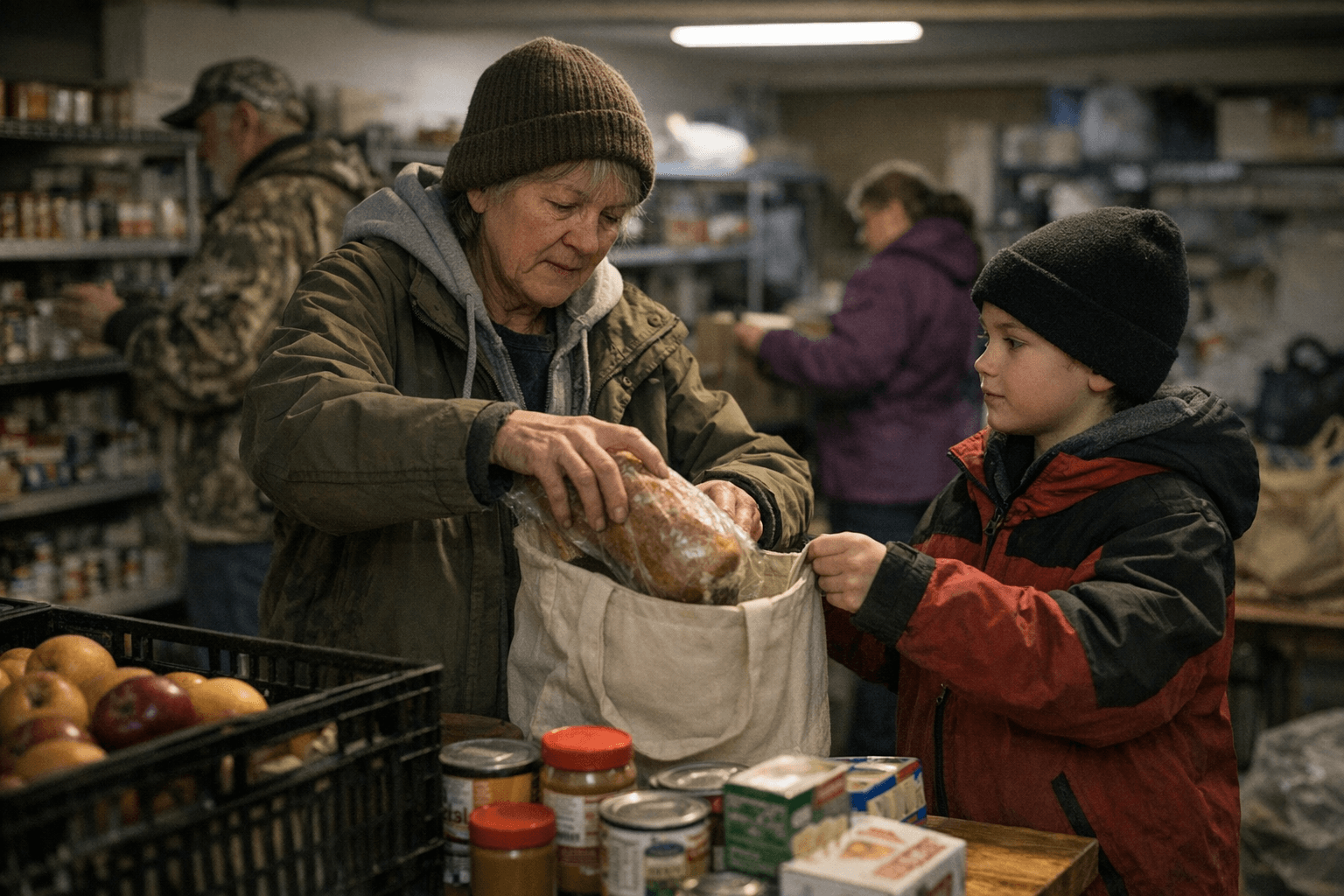
The listing also highlights broader equity and policy concerns. Persistent demand for emergency food points to gaps in benefits enrollment, wages and affordable housing. County and municipal leaders can use the information to coordinate transportation, expand outreach around federal nutrition programs and align funding to support year round operations rather than temporary spikes. Local public health and social service agencies may also rely on the resource to plan clinic based food distribution or to integrate food access into disaster readiness plans.
As winter deepens, the consolidated listing is intended to be used by anyone seeking help and by those who want to support neighbors. Clear, current information about where services operate can reduce barriers to care, ease strain on individual programs and strengthen community resilience.
Know something we missed? Have a correction or additional information?
Submit a Tip