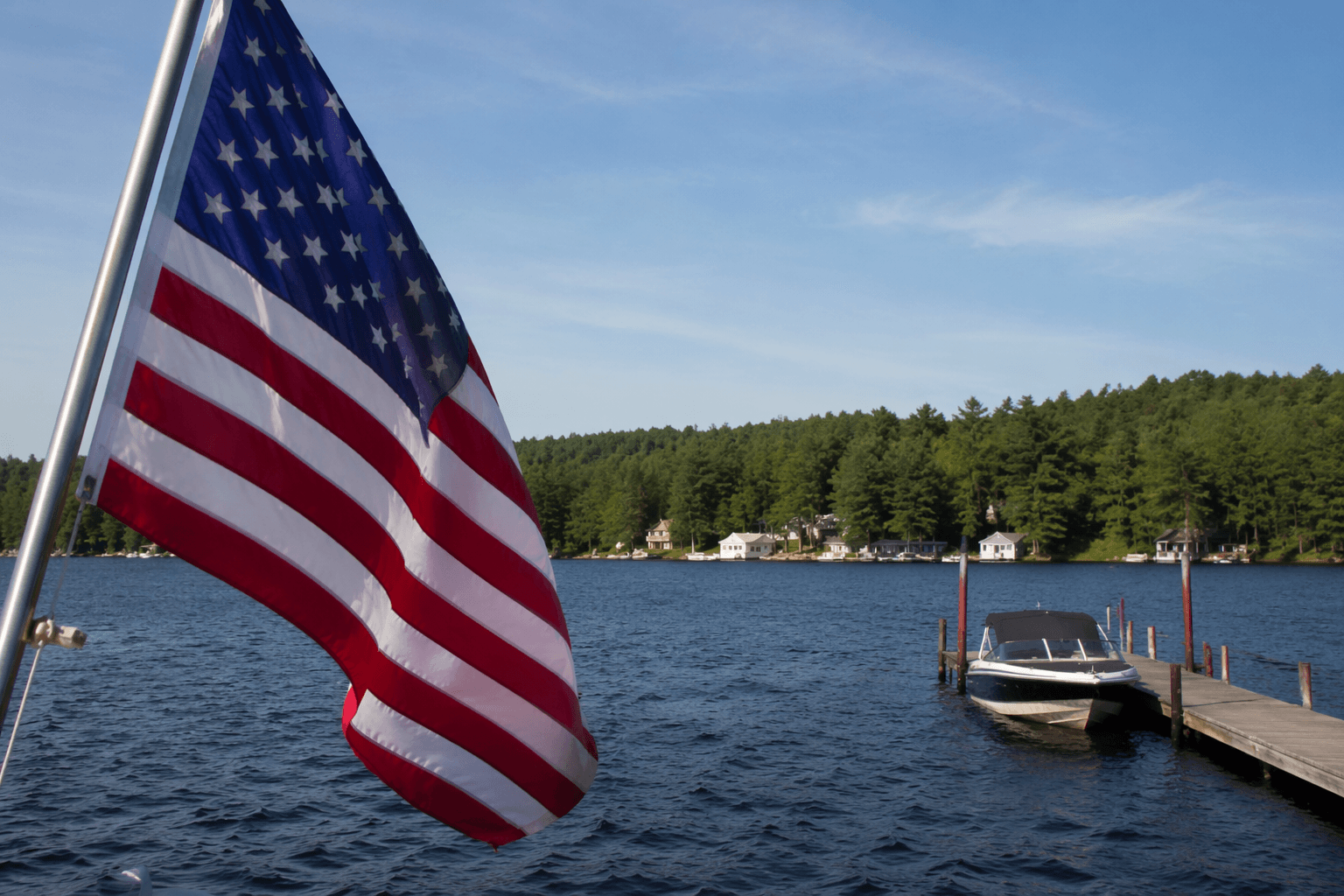
Signs for Lake Sunapee Arctic charr project delivered to towns
Signs tied to Lake Sunapee’s lost Arctic charr reached New London and Newbury, putting a rare fish story into public view across the watershed.
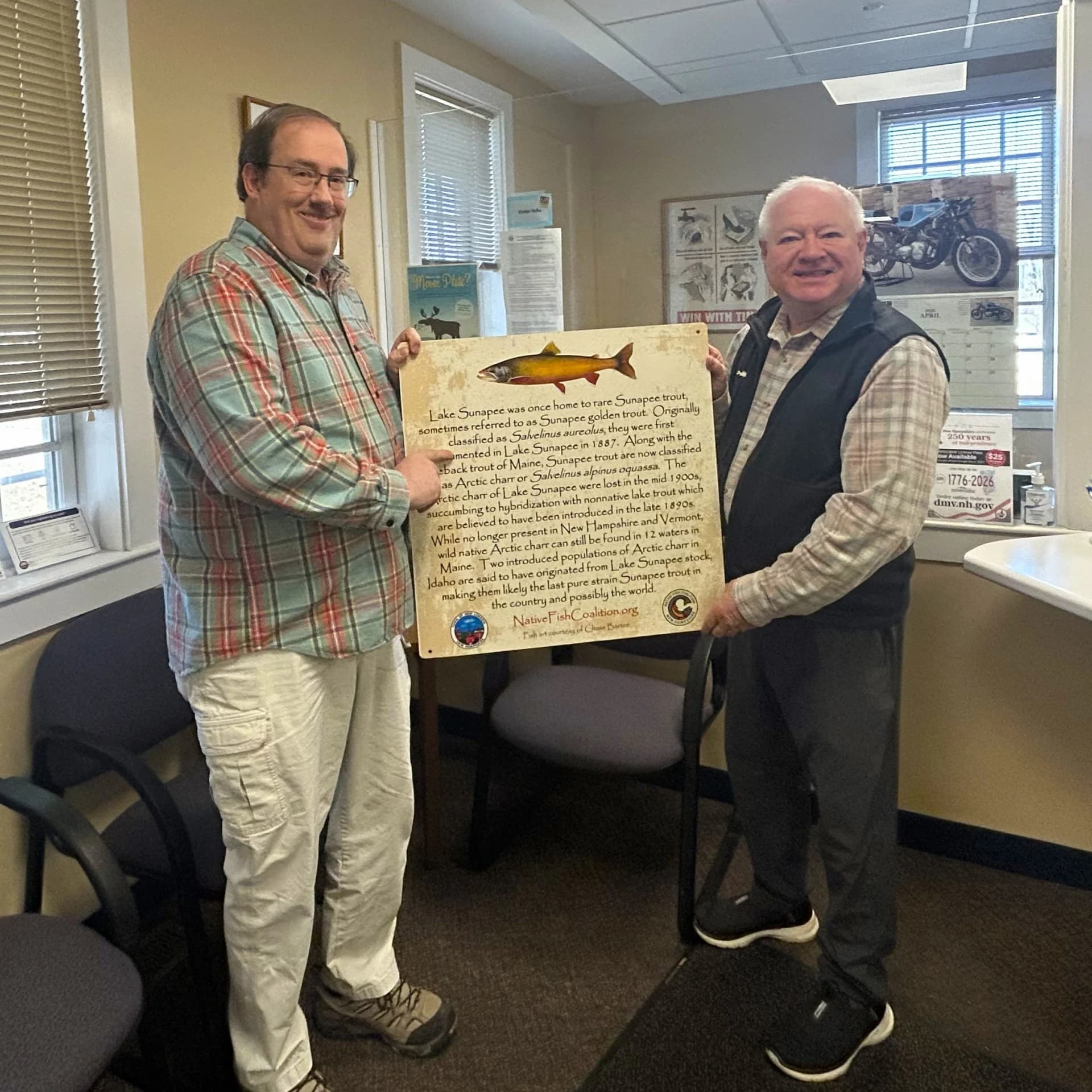
Public signs meant to bring Lake Sunapee’s Arctic charr story into view reached New London and Newbury after John Bateson of the Sunapee Historical Society delivered the kiosk panels for the Native Fish Coalition project. The signs are intended to mark where the once-native fish, known locally as Sunapee trout, disappeared from the lake and to give the region’s history a visible place in civic space.
The delivery marked a tangible step in a larger effort built around 24-by-24-inch kiosks that document the historical presence and loss of the rare char. The Native Fish Coalition has pointed to a similar kiosk at Height of Land in Rangeley, Maine, as a model, and in November 2025 the group said it hoped to expand the concept to other New Hampshire waters, including Big Dan Hole Pond. By sending the signs to towns beyond Sunapee itself, the project reflects how the Lake Sunapee watershed crosses municipal lines and how the fish story belongs to the whole region.
That history reaches back thousands of years. Local Lake Sunapee material says fish moved into the area after glaciers retreated about 12,000 years ago, and that early European observer John Josselyn reported trout there in 1674. By 1819, New Hampshire had already begun regulating fishing because fish were being heavily taken. Over time, logging, sheep farming, overfishing, watershed disturbance and the stocking of non-native species altered the lake’s fishery.
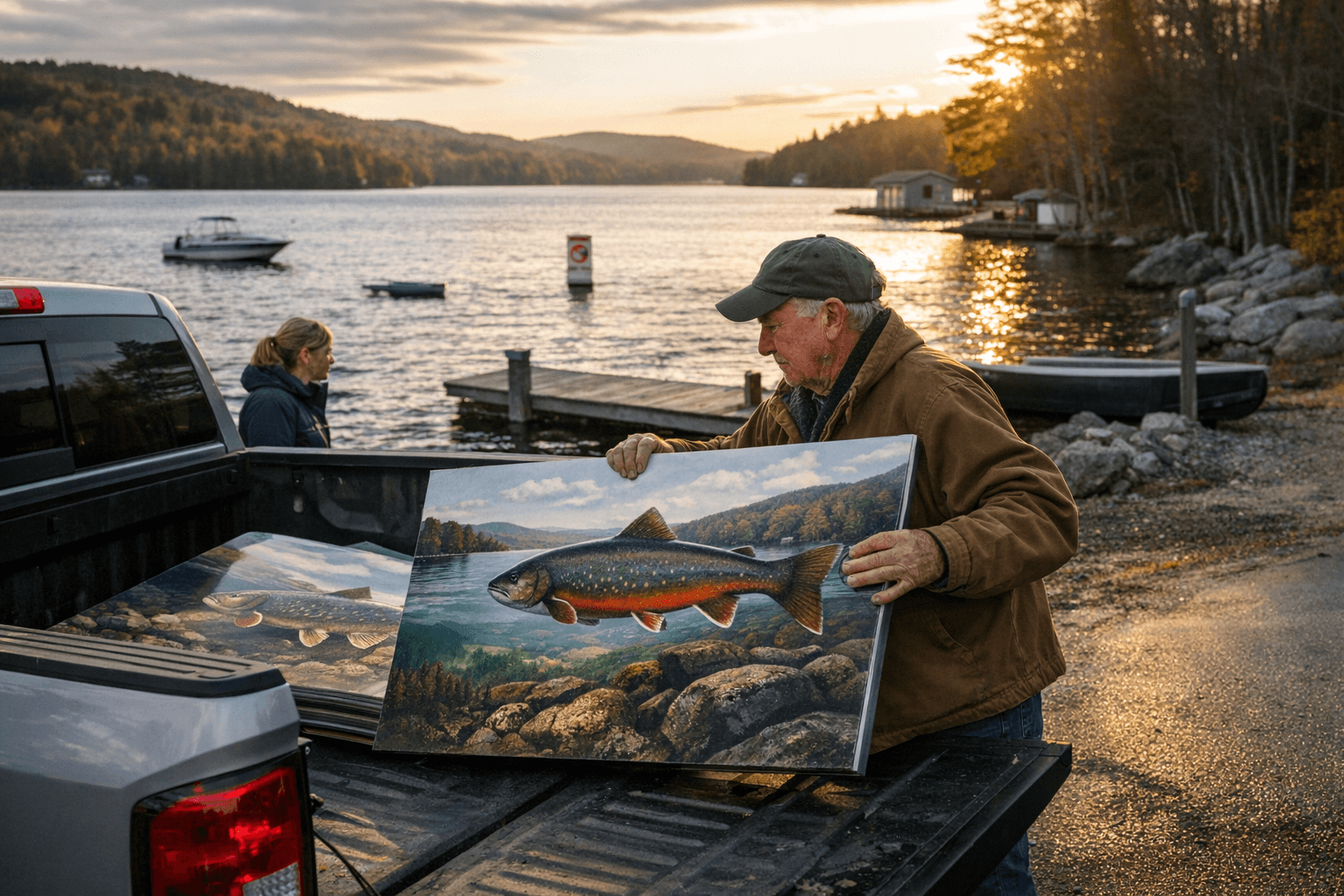
The science behind the signs is stark. The U.S. Geological Survey says Sunapee trout, also called blueback trout, were native to Lake Sunapee, Averill Pond in Vermont, Big Dan Pond in New Hampshire and Floods Pond in Maine. Three of those four native populations have become extinct, and the Sunapee form survives only in Floods Pond, Maine. The agency says hybridization with introduced lake trout has been a major threat.
New Hampshire Fish and Game biologist Jared Lamy has said habitat loss and introduced non-native species, especially lake trout, landlocked salmon and rainbow smelt, caused the extirpation of Arctic charr in New Hampshire. For New London and Newbury, the signs now move that history from archival pages into places people can actually see, turning a rare fish story into a public reminder of what Lake Sunapee once held and what local conservation groups are trying to preserve in memory.
This article was produced by Prism’s automated news system from verified source data, official records, and press releases, then run through automated quality and moderation checks before publishing. The system is built and supervised by the people who set the standards it runs under. Read our full AI policy.
Did this article answer your question?