Skilled-trades shortage strains Sullivan County jobs, retirements loom
A laid-off Unity plumbing team split apart, one man taking nights at West Lebanon Hannaford and the other starting a business, as 29% of trades workers near retirement.
The shortage is no longer theoretical in Sullivan County. In Unity, a father-and-son plumbing team that had worked for Massachusetts-based Youngblood Co. split in different directions after a layoff, a snapshot of how scarce skilled trades workers have become and how hard it is to replace them.
Allan Parshall now works four 10-hour night shifts each week renovating plumbing at the West Lebanon Hannaford. He said the work gets harder with age, a warning sign for an industry in which retirements are approaching fast. His son, Richard Parshall, turned the disruption into an opening and launched his own plumbing business, a move that reflects both the demand for experienced tradespeople and the risk that too few younger workers are moving into the pipeline.

The pressure reaches far beyond one jobsite. In the construction cluster, which includes plumbers, carpenters, electricians and related trades, about 29% of the workforce was age 55 or older in a 2022 New Hampshire workforce assessment. That matters in Sullivan County because every home repair, renovation and commercial project depends on crews being available when needed. When those crews thin out, wait times rise, bids climb and projects stretch out.
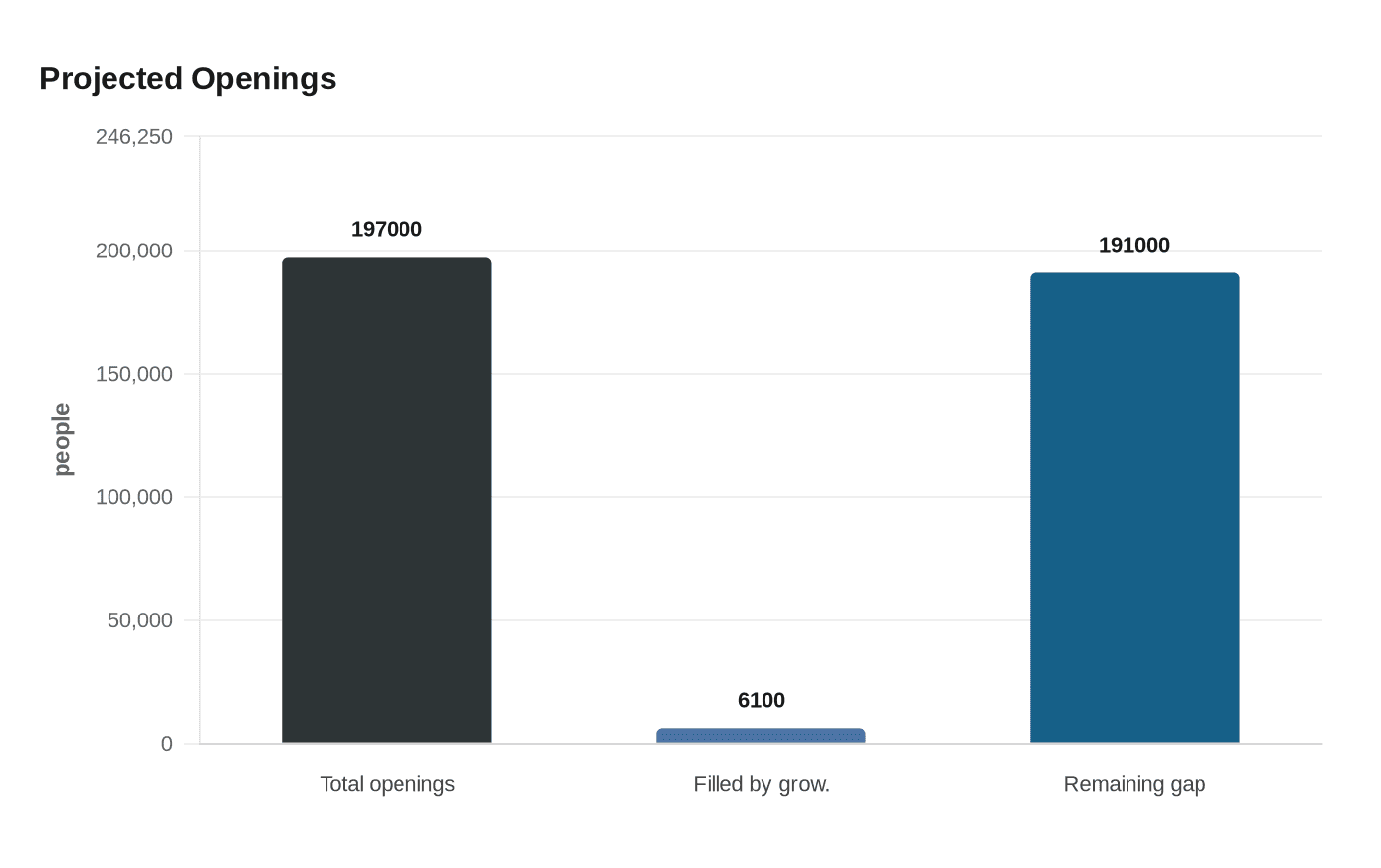
Statewide projections point to the same strain. New Hampshire Employment Security’s 2022 to 2032 projections are designed to measure openings from growth, exits and transfers, and the state’s workforce assessment projected nearly 197,000 openings in the 80 top occupations over that period. Only about 6,100 were expected to be filled by labor-force growth, leaving a gap of nearly 191,000 openings. In construction, the squeeze had already been building before the pandemic, with older workers aging out, some who left during the 2008 recession never coming back and housing demand keeping pressure on contractors.
The housing crunch makes the labor shortage more costly. New Hampshire Fiscal Policy Institute said the state needed about 23,500 more housing units to meet demand in 2023 and nearly 90,000 more by 2040. In Sullivan County, the median single-family sale price rose 13.2% from 2023 to 2024, reaching $386,000, adding urgency to a building trade that already struggles to find enough people to frame houses, wire panels and install plumbing.
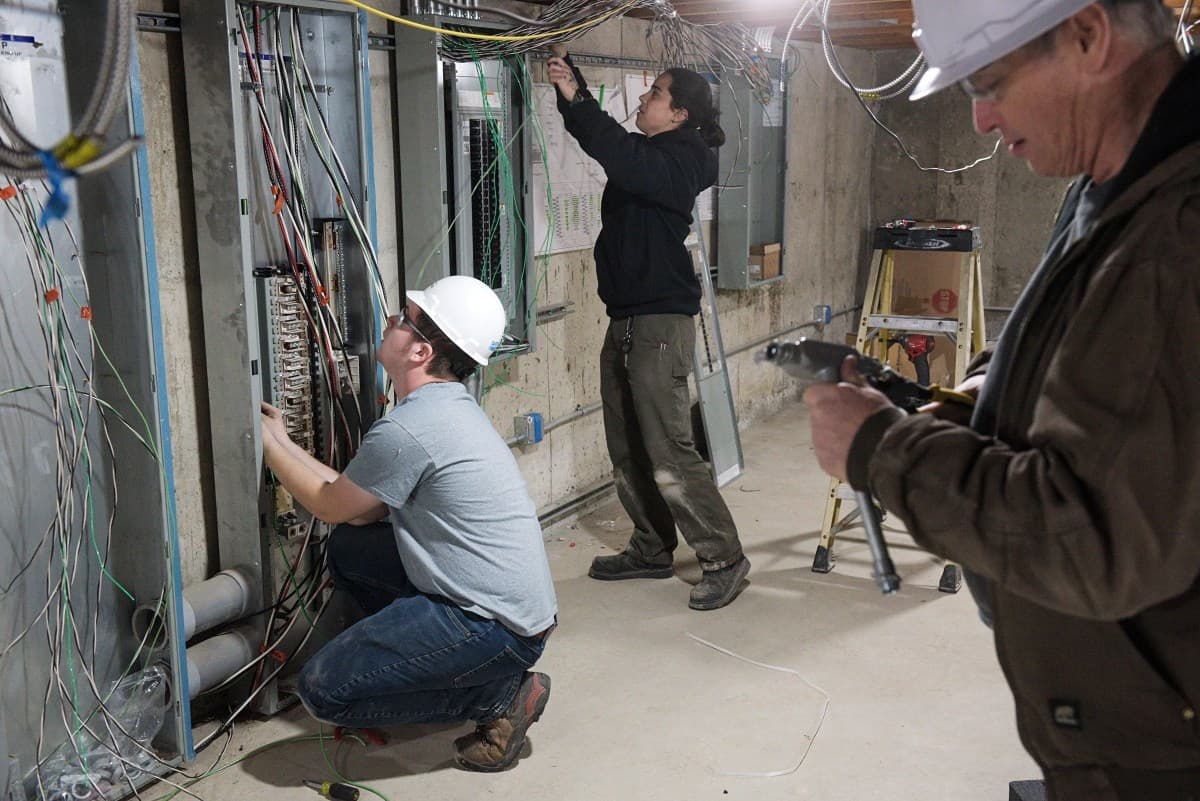
Some of the next generation is already in the field. At the Hartford Area Career and Technology Center, the Building Trades program has students construct a new home from start to finish over two years. Esther Wilmot of Plainfield and Paige Stone of Barnard were shown building cabinet doors, while Marybeth Groton of Sunapee was wiring electrical panels under supervision on a Cornish project. New Hampshire Employment Security says students can begin electrician or plumber apprenticeships while still in high school, and ApprenticeshipNH says registered apprenticeships can begin then as well. With its east-central hub centered on NHTI-Concord’s Community College, Great Bay Community College and Lakes Region Community College, the state is trying to make that handoff work. In Sullivan County, the future of the trades may depend on whether those paths produce enough replacements before the retirements hit.
This article was produced by Prism’s automated news system from verified source data, official records, and press releases, then run through automated quality and moderation checks before publishing. The system is built and supervised by the people who set the standards it runs under. Read our full AI policy.
Did this article answer your question?