Sullivan County Covered Bridges Offer Heritage Tourism and Policy Choices
Sullivan County’s rich cluster of historic covered bridges along the Sugar River corridor draws walkers, drivers, and photographers, while presenting ongoing questions about maintenance, access, and local stewardship. Residents should be aware that these structures are managed by a mix of town governments, state agencies, and preservation groups, and decisions about funding and access have direct community effects.
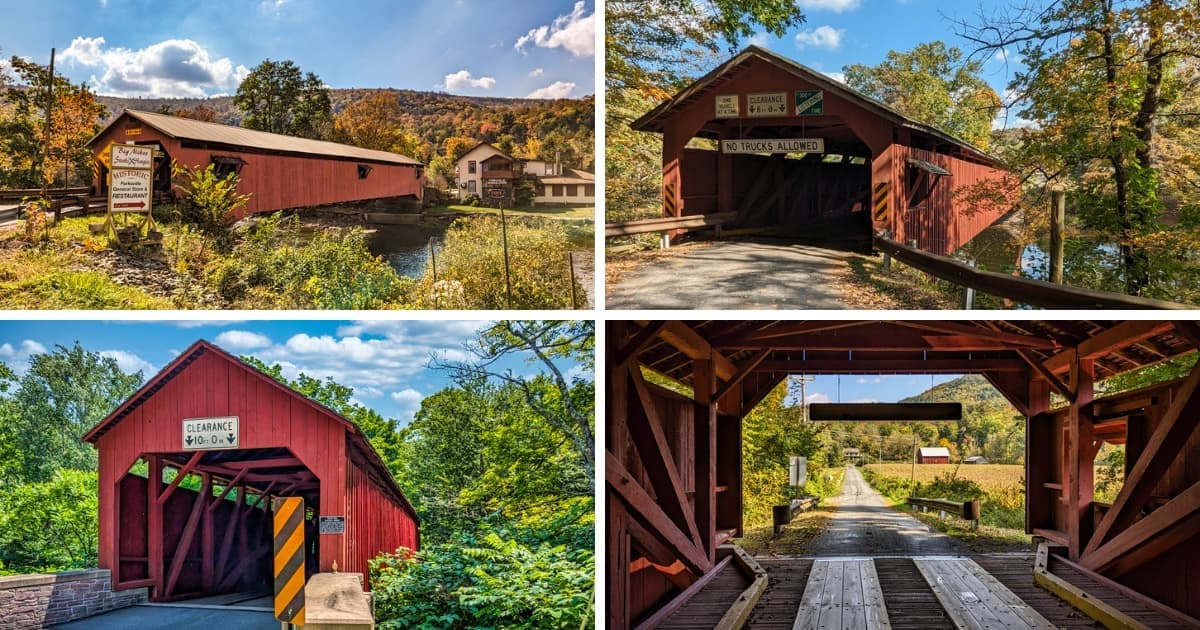
Sullivan County is home to one of New England’s most concentrated collections of historic covered bridges, anchored by the Cornish Windsor Covered Bridge, a two span Town lattice structure built in 1866 that crosses the Connecticut River and measures about 449 feet. That structure is listed on the National Register of Historic Places and serves as a regional landmark. Smaller but locally cherished spans include Wrights Covered Bridge, a former railroad span built in 1906 now incorporated into the Sugar River Trail, and several Sugar River Trail bridges and the Pier Bridge that are accessible from the rail trail between Claremont and Newport.
Cornish and surrounding towns contain multiple timber spans such as Blow Me Down, Dingleton Hill, and the Blacksmith Shop or Kenyon Bridge, many of them small single span bridges over Mill Brook and Blow Me Down Brook. Short detours from main roads lead to the Meriden Covered Bridge in Plainfield and the Prentiss Drewsville Bridge in Langdon. Several of these 19th century structures are maintained for pedestrian use and photography, and interpretive signs accompany some sites.
Institutionally, responsibility for these bridges is shared. Town select boards, local historical commissions, state departments of transportation, trail organizations, and nonprofit preservation groups all play roles in routine maintenance, safety assessments, and decisions about vehicle access. Listing on the National Register recognizes historical value, but does not by itself guarantee funding or daily upkeep. Choices about parking, seasonal closures, and restoration projects often require local budget decisions and applications for outside grants. Residents should follow town announcements and the bridge pages on HistoricBridges.org and SugarRiverRegion.org for current access and parking information.
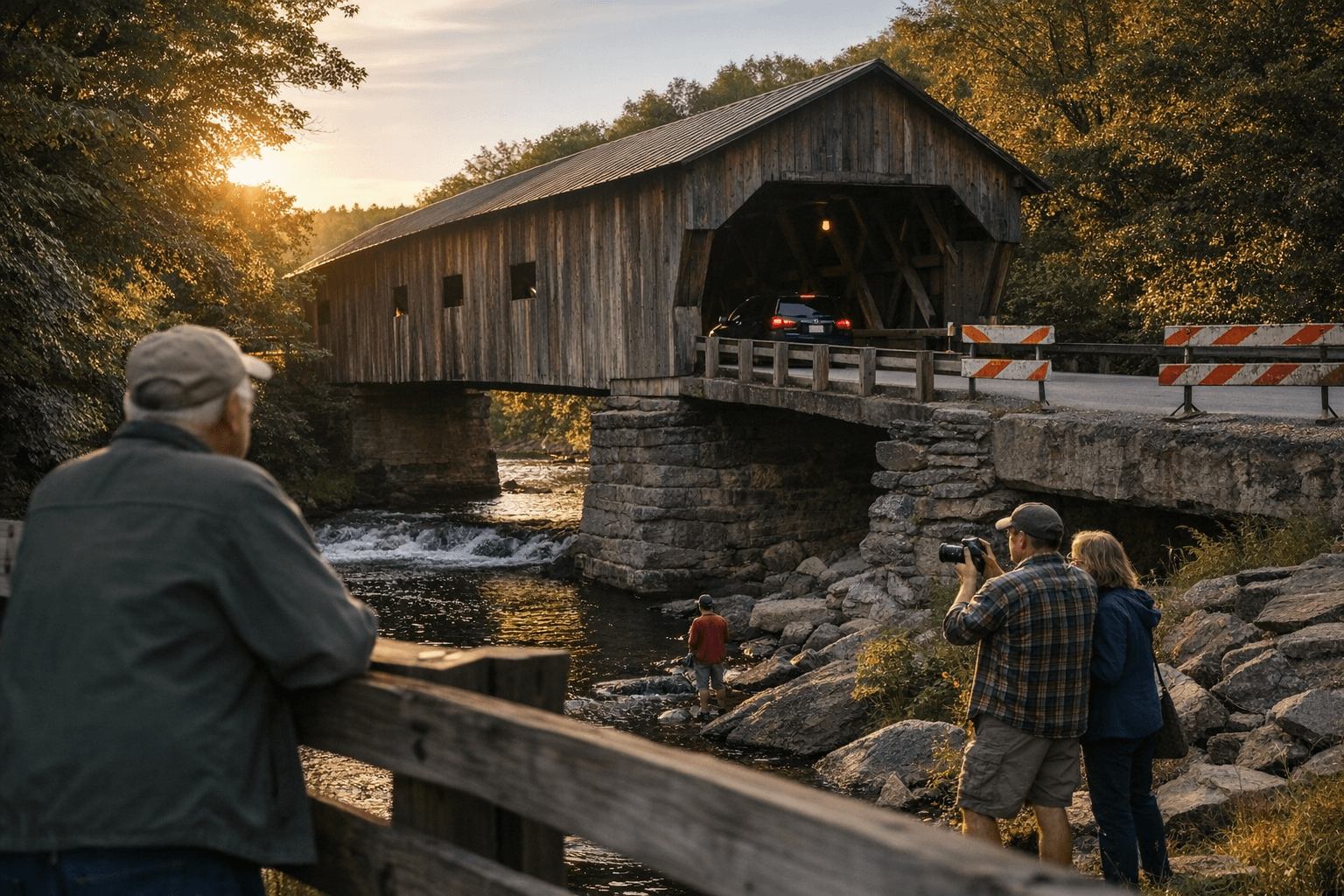
Local impact extends beyond heritage preservation. These bridges contribute to recreation and tourism that support nearby businesses and trail use, while presenting safety and liability considerations for municipal officials. Verify signage at sites, respect closures, and use designated parking to avoid blocking roadways and private driveways. In winter, wooden surfaces can be icy and slippery, so plan accordingly. Civic engagement matters. When towns consider restoration or changes in access, attendance at public meetings and review of budget proposals can influence outcomes that affect community identity and local economies.
Know something we missed? Have a correction or additional information?
Submit a Tip