Sunapee releases Perkins Pond watershed plan to fight pollution
Sunapee’s new Perkins Pond plan spells out where phosphorus is coming from and what shoreline owners, boaters, and town boards may be asked to change.

Sunapee’s new Perkins Pond watershed plan moves the pond’s pollution fight from diagnosis to action, with recommendations that could shape runoff controls, shoreline work, and future town spending around the public boat ramp and nearby properties. The final plan, dated March 2026, was posted by the town on April 21 and was prepared by FB Environmental Associates with the Town of Sunapee and the Perkins Pond Protective Association.
The document does more than describe the pond in broad terms. It lays out current water-quality conditions, identifies major sources of phosphorus and other pollutants, and includes both a watershed build-out analysis and a detailed action plan. That matters because Perkins Pond is not a minor backwater. Town records describe it as Sunapee’s second-largest body of water, at 157 acres with a 670-acre watershed, and it drains through Perkins Pond Brook to Croydon and then to the Sugar River in Newport. A secondary outflow culvert to Wendell Marsh was installed by the association in 1989 with state approval.
The project was built around U.S. Environmental Protection Agency nine-element watershed plan requirements and was intended to mitigate phosphorus loading in the Perkins Pond watershed. Funding came from the New Hampshire Department of Environmental Services through the Clean Water State Revolving Fund. In December 2023, the Conservation Commission was told the state had pre-approved a $100,000 loan for the study, to be forgiven when complete, and that the town’s out-of-pocket share would be no more than $5,000.
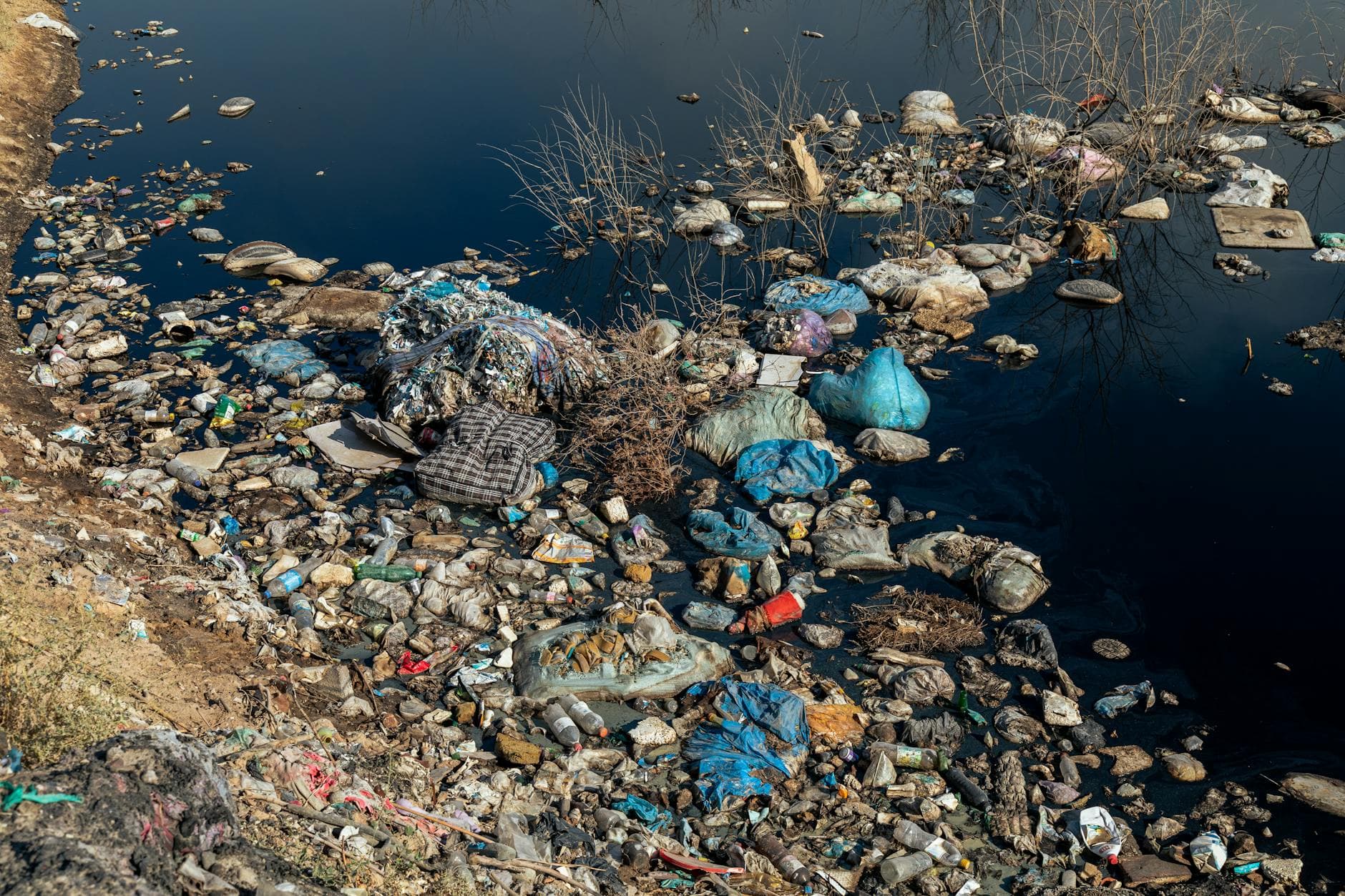
The water-quality record shows why the plan carries weight. A 2011 municipal sewer extension serving shore cottages improved conditions, but phosphorus and chlorophyll levels remained high and sedimentation persisted. At a March 2025 Conservation Commission meeting, the association said the pond had 15 to 20 feet of muck at the bottom, a sign of long-term buildup. That same meeting noted strong road runoff, especially from Perkins Pond Road, and a watershed that belongs to the Connecticut River system rather than the Lake Sunapee watershed.
The New Hampshire Department of Environmental Services’ 2023 Volunteer Lake Assessment Program report found nutrient levels and algal growth still elevated above the oligotrophic threshold, with chlorophyll and conductivity significantly higher than when monitoring began. The report also flagged boat wakes, shoreline erosion, road salt, and shoreline stabilization as management concerns, and it urged lakefront property owners to become certified LakeSmart. For Sunapee officials, shoreline owners, and the Perkins Pond Protective Association, the new plan now becomes the measure of whether those warnings turn into real repairs or another season of watch-and-wait.
This article was produced by Prism’s automated news system from verified source data, official records, and press releases, then run through automated quality and moderation checks before publishing. The system is built and supervised by the people who set the standards it runs under. Read our full AI policy.
Did this article answer your question?