Early Winter Snow Reveals Fragile Slopes, Backcountry Risk in Summit County
Early December storms brought welcome snow to the Wasatch, but they also exposed a persistent weak layer on many north facing slopes, prompting increased caution during Avalanche Awareness Week. Forecasters warn that a thin, faceted early season snowpack topped by thin slabs can fail under a person’s weight, and residents should adjust travel and recreation plans accordingly.
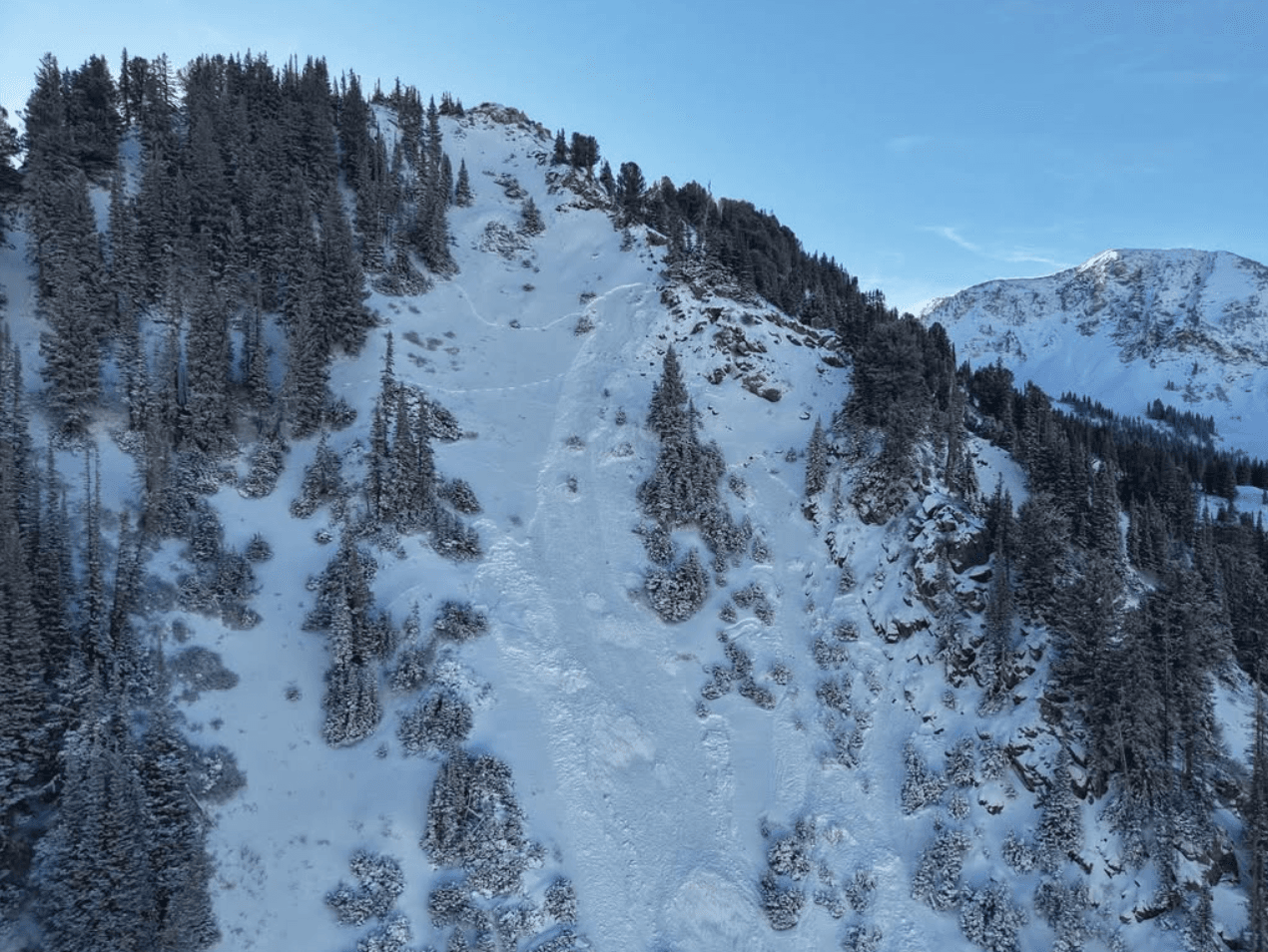
A series of storms on December 2 coated the Wasatch with fresh snow, yet the new accumulation has highlighted an existing stability problem that local forecasters say will influence safety for weeks. The Utah Avalanche Center began issuing daily danger ratings for the 2025 to 2026 season, and forecasters describe a thin, faceted early season snowpack topped by thin slabs that can crack under a person’s weight. That combination has produced a number of small slides and elevated risk on north facing terrain.
Since October there have been nine recorded avalanches in the region, including a recent animal triggered slide at Alta. Those events have largely been small, but they illustrate the primary concern for backcountry travelers now. Thin slabs over faceted layers can propagate localized failures that carry a person off slope, making route choice and conservative travel practices essential during this early season period.
Local ski areas are opening limited terrain as snow accumulates, but resort access does not remove danger in adjacent unpatrolled terrain. Officials and community groups are using Avalanche Awareness Week to emphasize daily forecast checks, conservative route finding, and formal educational opportunities. Know Before You Go presentations are scheduled as part of the outreach, and forecasters are urging backcountry users to consult the Utah Avalanche Center daily danger ratings before travel.

For Summit County residents and visitors, the immediate impacts are practical. Recreational plans that rely on north facing bowls, chutes, and gullies should be reassessed, especially for solo travelers and parties without rescue training. Search and rescue capacity can be stretched quickly when conditions are unstable, so preventing avoidable incidents through cautious decision making will preserve emergency resources for other critical needs.
As the season evolves, stability may improve with sustained cold and consistent loading, or it may worsen if weather patterns load the weak layer. In the meantime, backcountry travelers should avoid high risk north facing terrain, check daily forecasts, practice conservative route finding, and attend Avalanche Awareness Week events and Know Before You Go presentations to reduce the likelihood of avoidable accidents.
Know something we missed? Have a correction or additional information?
Submit a Tip