Echo Depot tells Summit County’s railroad and transportation history
Echo Depot marks the rail corridor that turned Echo, Coalville and Park City into linked stops on Summit County’s economic map.
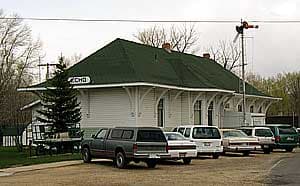
Echo Depot is more than a preserved building in Coalville: it marks the rail corridor that turned Echo, Coalville and Park City into linked stops on Summit County’s economic map. The depot helps explain how transportation, mining, freight and settlement followed Echo Canyon, and why the county’s old rail routes still matter to local identity today.
Echo was the hinge point in Summit County’s rail story
Echo, Utah, was founded in 1861, but its real growth came when tracks reached the town. By 1869, the first trains were passing through and the town had its first railway station, a shift that moved Echo from an agricultural community into a rail hub. That mattered because Echo sat at the mouth of Echo Canyon, a natural corridor that funneled traffic between the Salt Lake Valley, the Weber watershed and Wyoming.
Union Pacific Railroad reached Echo in January 1869 while building the nation’s first transcontinental railroad. That arrival turned the town into a practical gateway for Summit County rather than a scenic stop. Park City Museum materials describe warehouses filling quickly with dry goods, general merchandise, hardware and other supplies bound for the county, while wagons carried silver from Park City and coal from Coalville for outbound shipment by rail.
The geography explains why the town mattered so much for so long. Summit County’s own history frames the county as a transportation corridor, and Echo’s position at the canyon mouth gave rail, wagon and later highway traffic a place to converge. In a county shaped by movement, Echo became the point where goods, people and mineral wealth crossed paths.
The Park City line tied mines to the broader rail network
The rail story expanded around 1880, when a branch line was built from Echo to Park City. Historical accounts in UtahRails and materials from the Daughters of Utah Pioneers of Summit County describe that line as part of Union Pacific’s Park City Branch, linking Summit County’s mining economy to the larger Union Pacific system. For Park City, that connection helped move ore and supplies at the scale a mining town needed.
The branch line also changed Echo itself. To serve the trains, a coal chute, a water tank and an engine house were built there. Those additions show how rail infrastructure was never just a single track, but a working system with fuel, water, maintenance and transfer points built around it. In 1899, the engine house was torn down because locomotives had become larger and helper engines were no longer needed there, a small but revealing sign of how quickly rail technology changed the landscape.
That technological evolution shaped Summit County’s transport map well into the 20th century. The Echo-to-Park City line eventually required route changes and, after the last mines in Park City shuttered, it was abandoned in 1986, according to Abandoned Rails. What remained was the imprint of the route itself, still visible in the way today’s roads, trails and town centers follow older corridors of movement.
What the depot adds once the trains are gone
The Echo Depot’s move to its present site in Coalville in 1975 gave the building a second life as a preserved landmark rather than an abandoned shell. Summit County identifies the depot as a historic landmark, and that designation matters because the structure now does more than preserve a rail artifact. It gives residents a physical reference point for how the county was built around transportation, freight and settlement patterns.
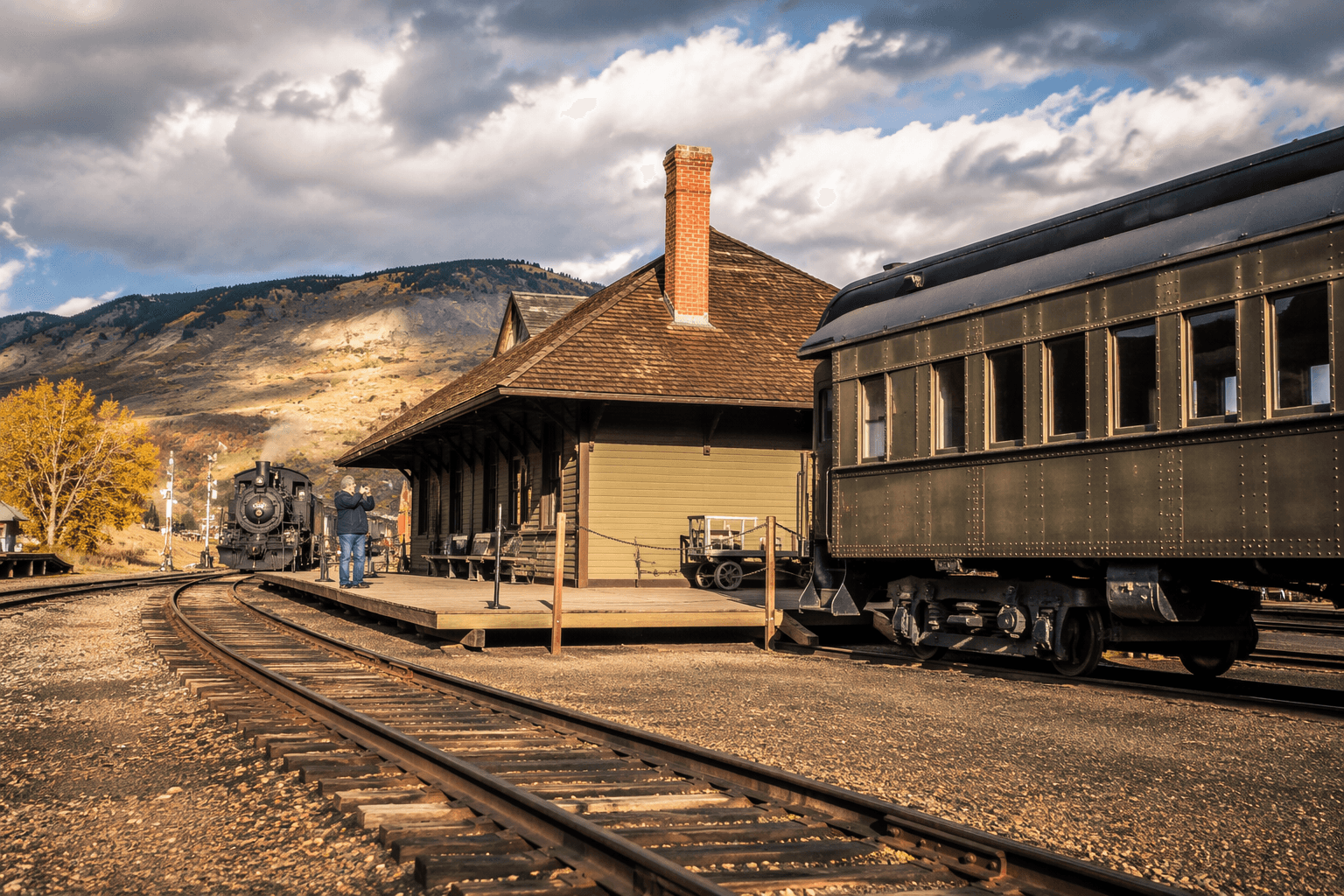
Coalville adds another layer to that story. The city was settled in 1858 and 1859 near Chalk Creek, became a county seat community and later became part of the same rail network that moved coal, ore, passengers and supplies across Summit County. The depot in Coalville ties that local history to the broader corridor running from Echo Canyon into Park City, making the county’s transportation past visible in one place.
The preservation value is practical, not sentimental. Without buildings like Echo Depot, the connection between Echo Canyon, the rail branch to Park City and the freight exchanges through Coalville becomes easier to overlook, even though those routes helped set the county’s economic geography. Physical sites make it possible to read the county as it developed: where freight moved, where towns grew, and why certain places became gateways.
How to understand the county through the rail corridor
A visit to the Echo Depot, or even a look at the county’s rail geography, works best when you connect the dots across the landscape. The historic route is not isolated history; it is the framework that helped shape Summit County’s settlement and commerce.
- Echo sat at the mouth of Echo Canyon, the corridor that linked the county to the Salt Lake Valley, the Weber watershed and Wyoming.
A few markers help tell the story:
- Union Pacific reached Echo in January 1869 during construction of the first transcontinental railroad.
- The Park City Branch, built around 1880, tied mining activity to the national rail system.
- The Historic Union Pacific Rail Trail State Park runs nearly 30 miles through Park City, Wanship, Coalville and to Echo Reservoir, tracing part of that old transportation corridor.
Those details show why Echo Depot remains useful today. It is a preserved piece of infrastructure from the era when rail lines determined where goods moved, where towns grew and where money flowed in Summit County. As long as the depot stands in Coalville, the county’s transportation history stays rooted in a place people can see and understand.
This article was produced by Prism’s automated news system from verified source data, official records, and press releases, then run through automated quality and moderation checks before publishing. The system is built and supervised by the people who set the standards it runs under. Read our full AI policy.
Did this article answer your question?