Park City faces two disputes over workforce housing projects
Park City was fighting two workforce housing disputes as 87.3% of workers still commuted from outside town. Summit County counted 10,374 vacant units in 2023.
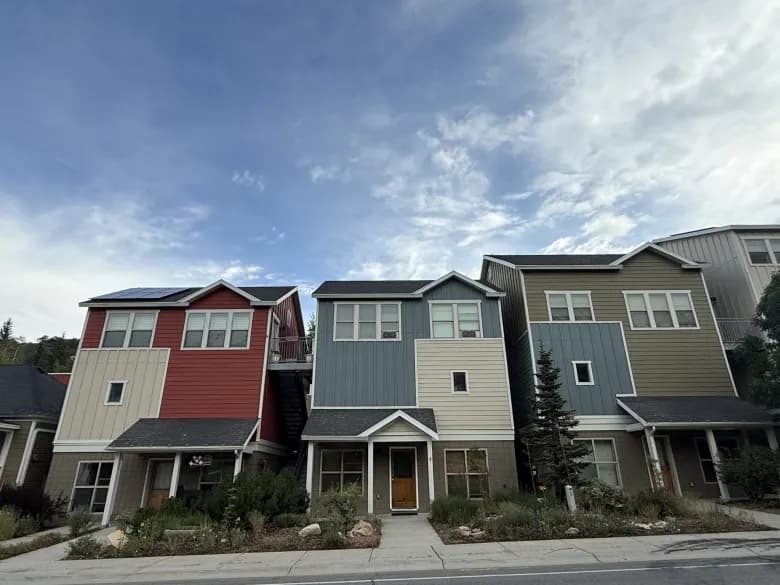
Park City was dealing with two disputes over potential workforce housing projects as 87.3% of its workers continued to commute from outside the city, leaving employers with a labor problem that reaches far beyond real estate.
The pressure is visible countywide. Utah Legislature housing materials put Summit County at 44,027 residents in 2023, along with 16,264 households, 26,638 total housing units and 10,374 vacant units. The county’s median household income was $131,916, a figure that helps explain why even a market with vacant homes can still struggle to house teachers, service workers and public employees close to where they work.
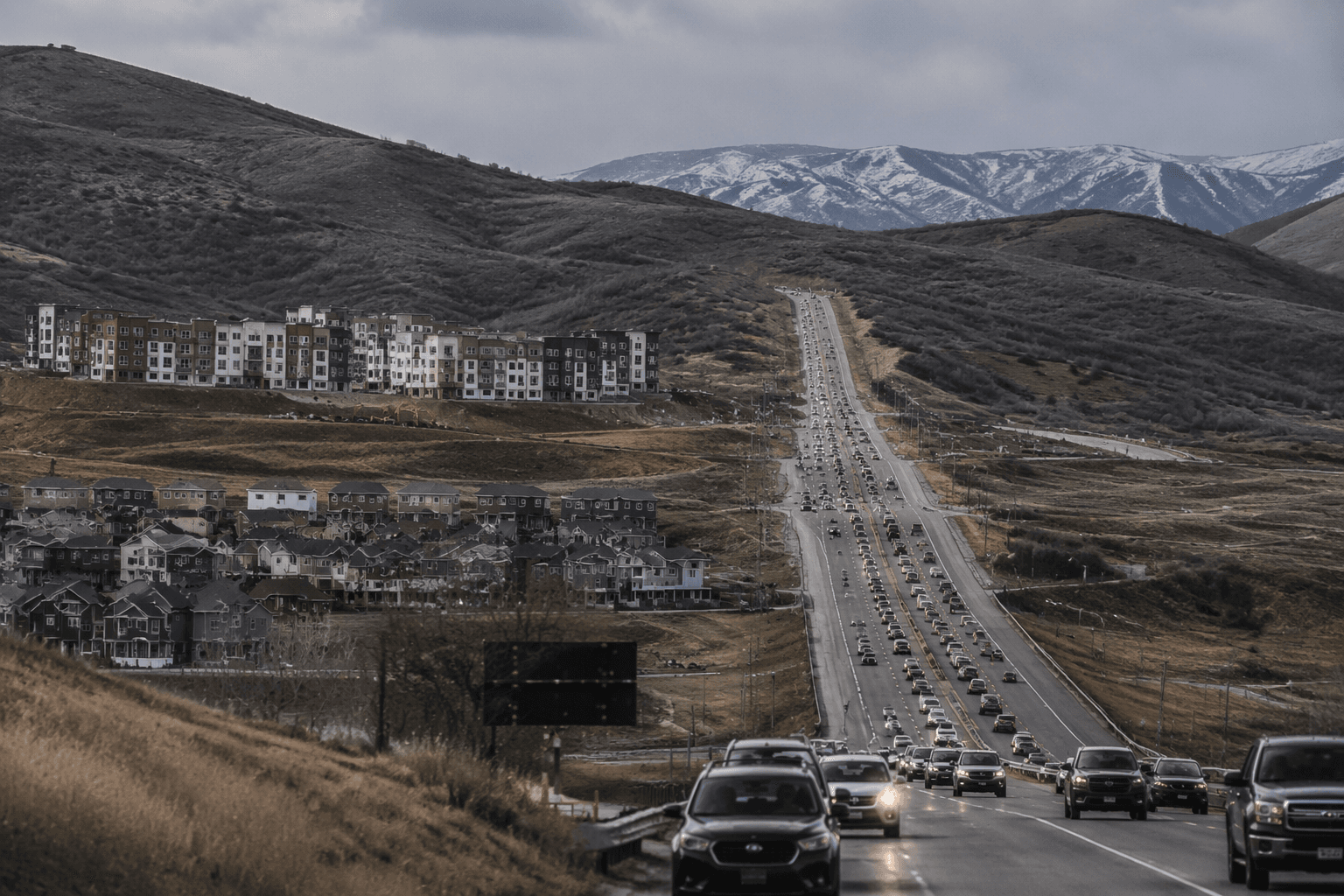
TownLift put Summit County’s housing shortfall at about 7,600 units as of early 2025 and estimated the county would need roughly 600 additional units a year over the next decade. Park City has responded with its own targets, but the goals have been hard to match with actual projects. The 2025 City Council set a goal of 1,864 total affordable housing units, while Park City municipal social media put the city toward 800 affordable and attainable units by 2026.
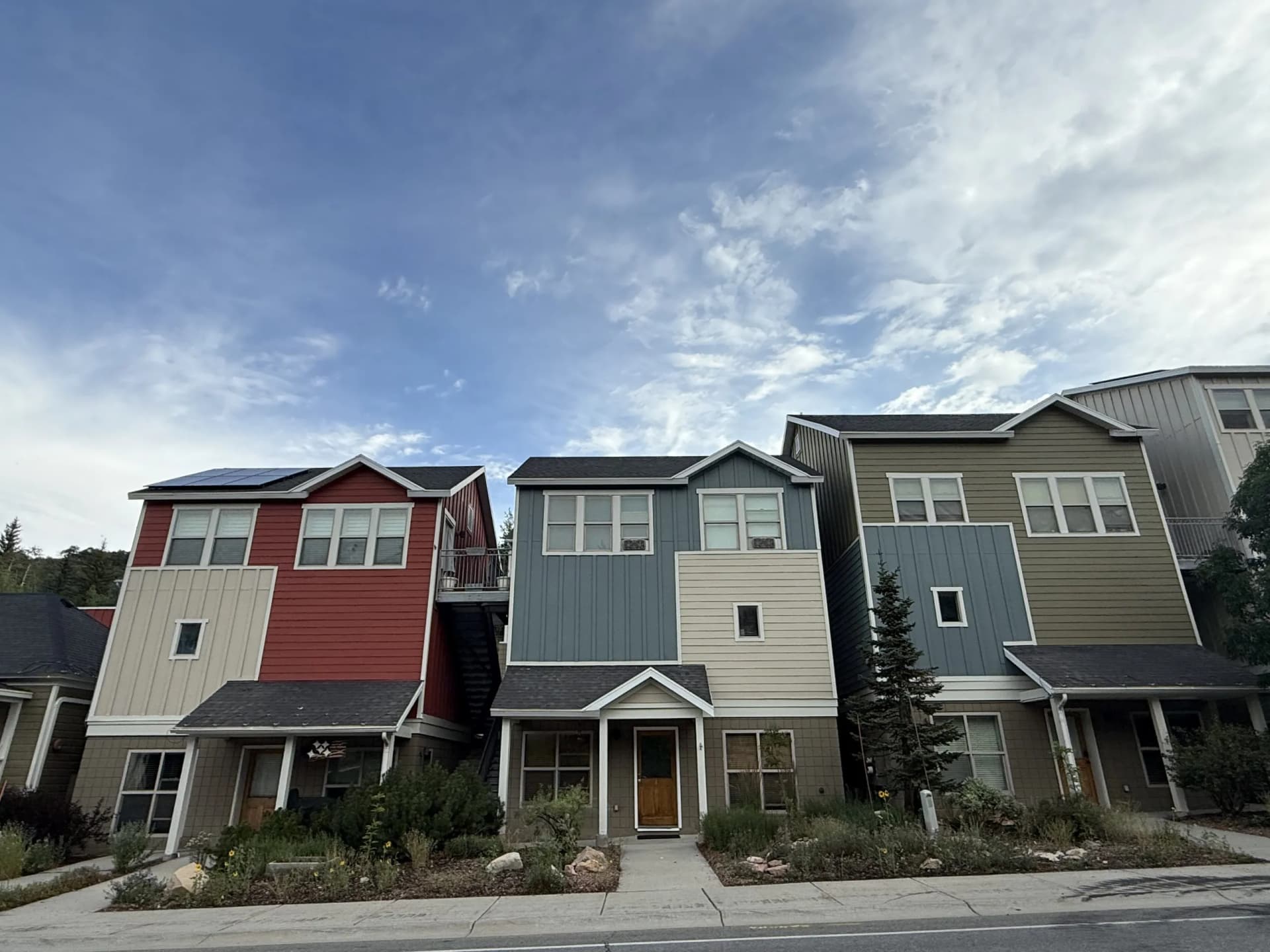
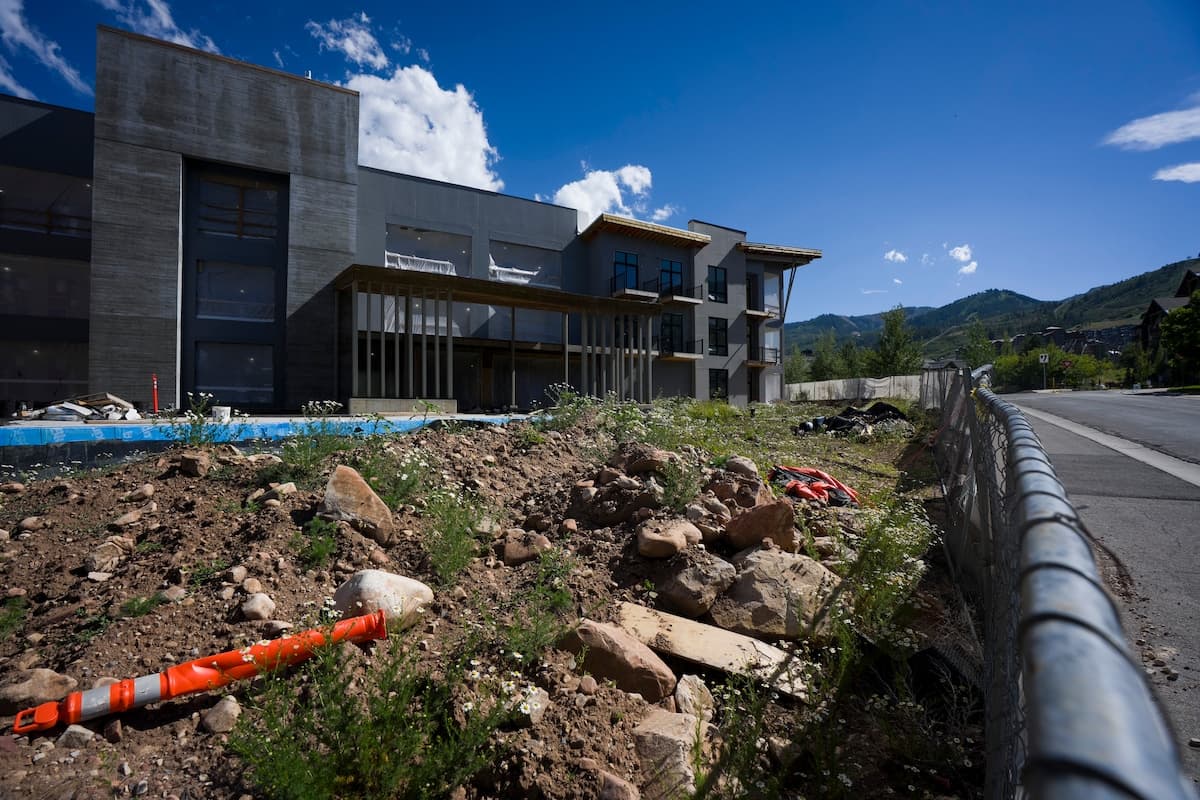
Recent proposals show why the issue keeps stalling. In January 2025, the Alexander Company put Clark Ranch at up to 210 units for Park City’s workforce. In June 2025, Park City Council overhauled housing guidelines amid rising vacancies in income-restricted units, and the EngineHouse development would include 99 deed-restricted affordable housing units.
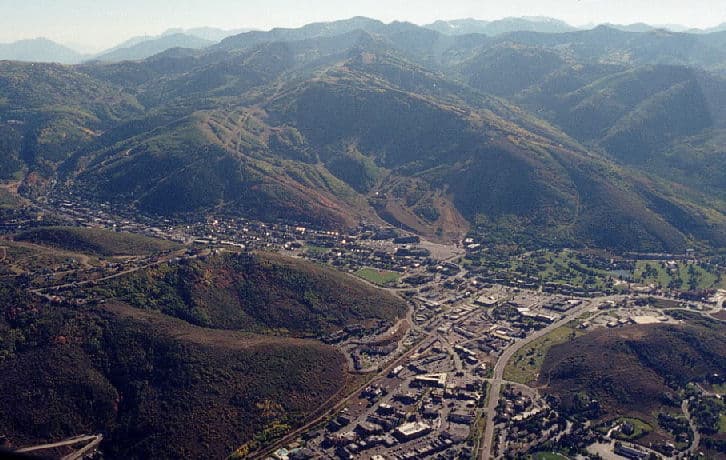
A proposed Canyons Village employee housing project would have no income restrictions. When workers have to live in Kimball Junction, other parts of Summit County or even farther away, the city’s hotels, restaurants, schools and government offices lose time, raise commute costs and make hiring harder.
This article was produced by Prism’s automated news system from verified source data, official records, and press releases, then run through automated quality and moderation checks before publishing. The system is built and supervised by the people who set the standards it runs under. Read our full AI policy.
Did this article answer your question?