Governor Cox Brings Energy Leaders to Park City for Operation Gigawatt Summit
A proposed Utah data center campus alone could demand 12 gigawatts, triple the state's entire power supply. Cox brings builders and investors to Park City on May 22 to close that gap.
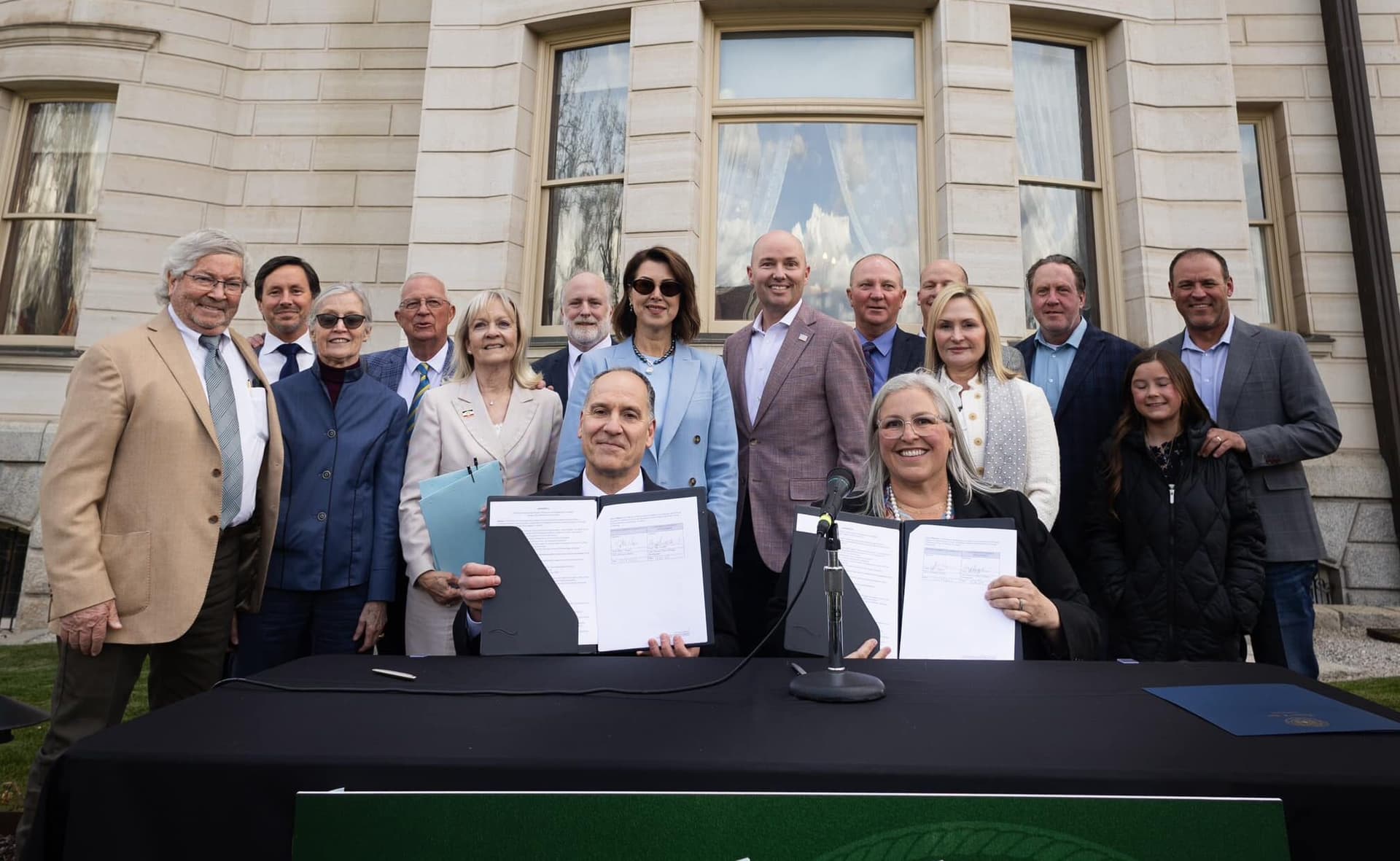
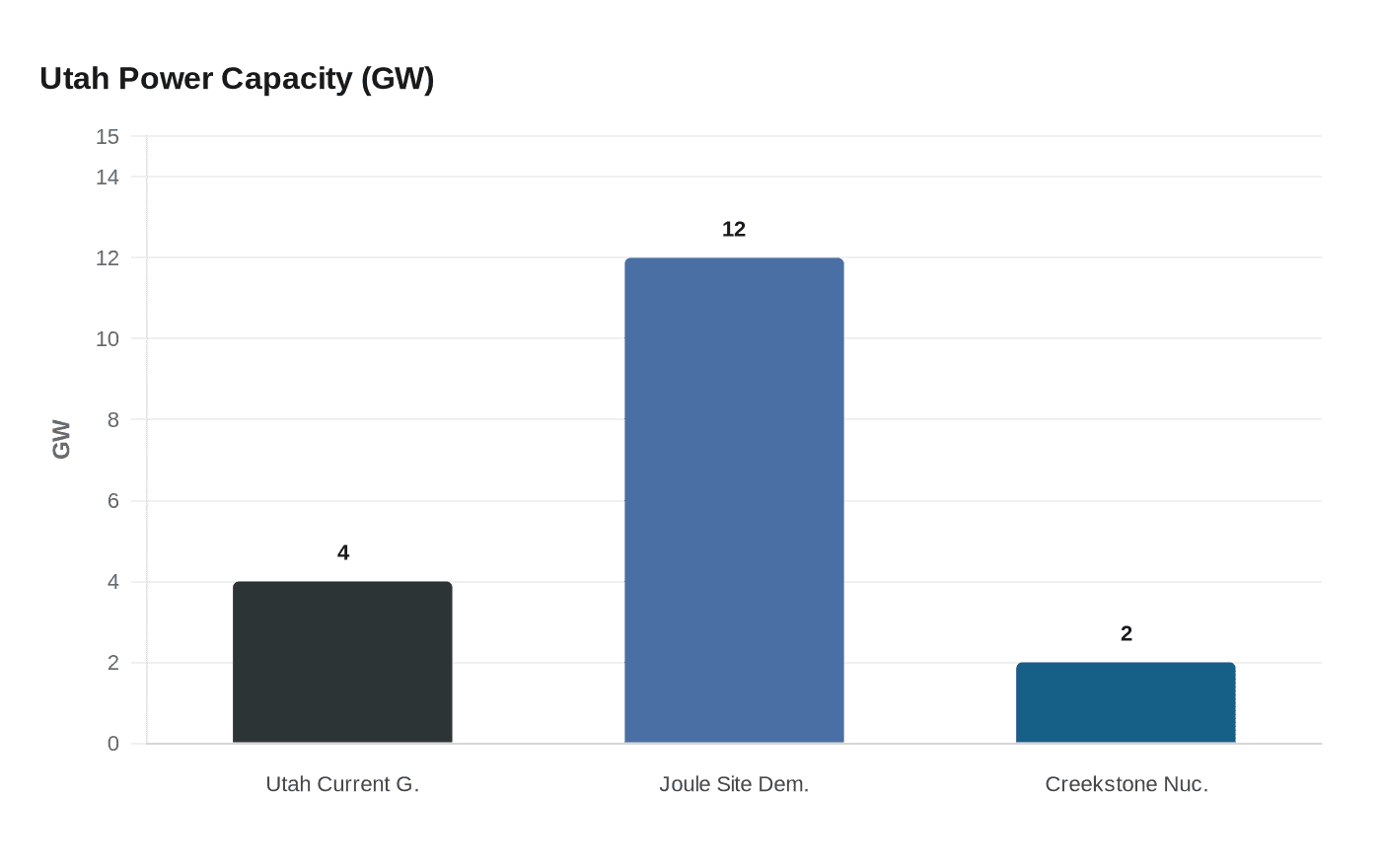
Utah's entire power grid generates roughly 4 gigawatts. A single proposed data center campus, the Joule site, could eventually demand 12. That gap is what Governor Spencer Cox is bringing to the Grand Hyatt Deer Valley in Park City on May 22, when he convenes builders, investors, and policymakers for the Operation Gigawatt Summit.
Vivek Ramaswamy, Scott Nolan of Founders Fund, John Wagner of Idaho National Laboratory, and U.S. Senator John Curtis are among the figures named in promotional materials for the event. The summit is co-organized with the Abundance Institute, which is hosting a Gala the evening of May 21, with gala attendees receiving priority access to the summit the following morning.
Cox first unveiled Operation Gigawatt on October 8, 2024, at the One Utah Summit in Cedar City, framing the goal plainly: "We have to do something bold. We have to change the way we develop power in the state of Utah." The initiative calls for doubling Utah's power production over the next decade, a target backed by $20.4 million in one-time state budget funding and $400,000 in ongoing support. State lawmakers have separately allocated $10 million to identify nuclear sites.
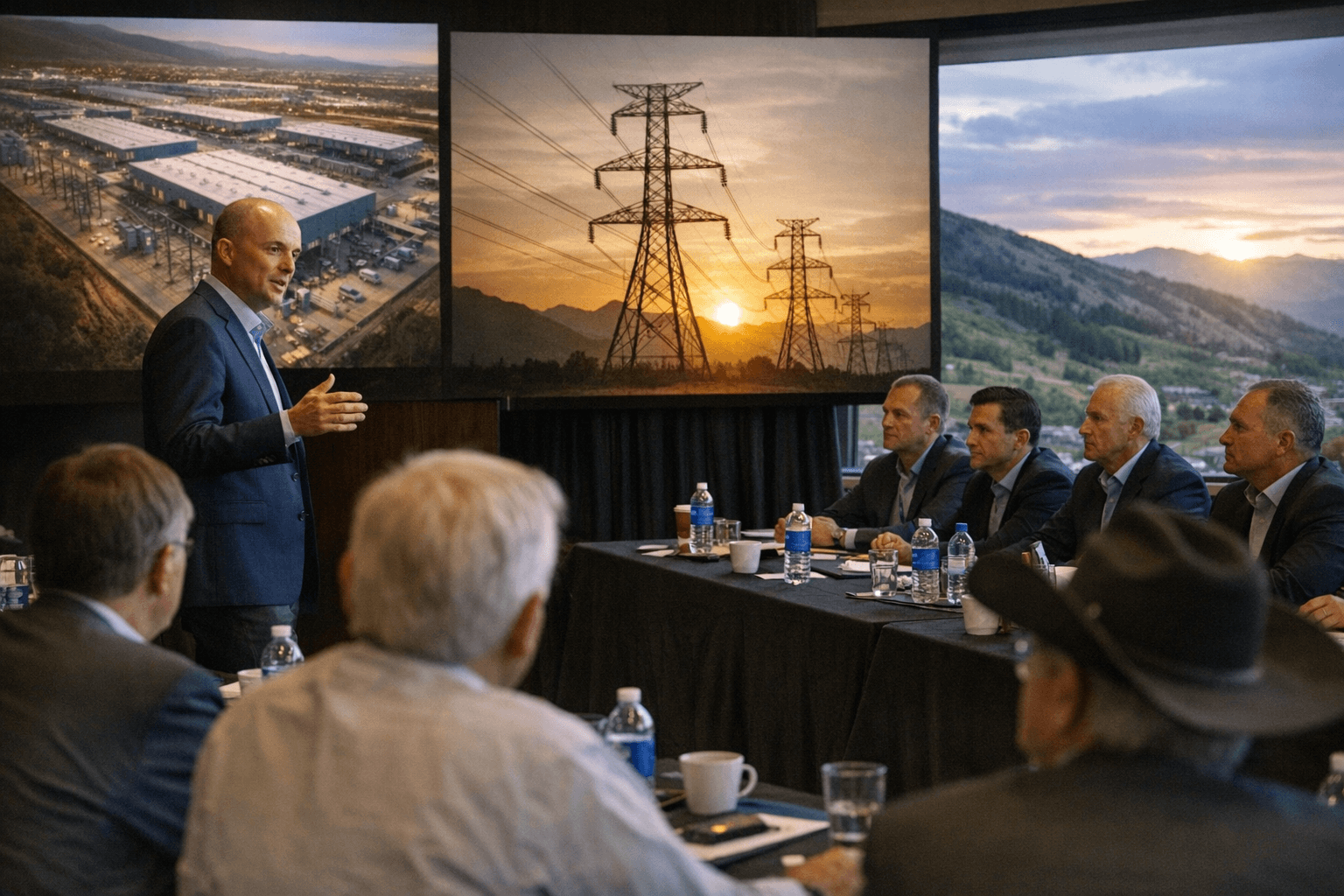
Three nuclear agreements are already on the books. Cox signed a memorandum of understanding with TerraPower, which broke ground in 2024 at a former coal plant site in Kemmerer, Wyoming. Holtec International has SMR-300 reactors planned for Brigham City, backed by $750 million in private investment. And Creekstone Energy signed an MOU with EnergySolutions for 2 gigawatts of nuclear capacity at its 20-million-square-foot Delta Gigasite.
The urgency extends well beyond Utah's borders. Data centers accounted for 4% of total U.S. electricity use in 2024, and that demand is projected to more than double by 2030. OpenAI CEO Sam Altman told a Senate hearing in 2025 that "the cost of AI will converge to the cost of energy," a formulation that has become a rallying point for Operation Gigawatt's supporters.
The nuclear emphasis has revived a complicated history. Cox has acknowledged Utah's downwinder legacy, the generational health damage caused by Nevada atomic testing, while arguing that modern reactors bear no resemblance to bomb-era technology: "We're not blowing nuclear things up, right? So it's very different." Clean energy advocates have pushed back on a separate front: a ProPublica investigation found that despite Cox's stated "any of the above" approach encompassing geothermal, renewables, and advanced nuclear, Utah leaders have been actively hindering solar development.
Cox has been advancing the initiative through the Western Governors Association as a model for the broader region. What the May 22 summit at Grand Hyatt Deer Valley has yet to produce is a ledger of committed projects, dollars, and permitting timelines specific enough for Utah ratepayers to hold anyone accountable.
This article was produced by Prism’s automated news system from verified source data, official records, and press releases, then run through automated quality and moderation checks before publishing. The system is built and supervised by the people who set the standards it runs under. Read our full AI policy.
Did this article answer your question?