Summit County to Enforce New Utah Law Classifying Powerful E-Bikes as Motorcycles
Two 13-year-olds crashed on Kilby Road last year; now the Summit County Sheriff is enforcing a Utah law that reclassifies powerful e-bikes as motorcycles.
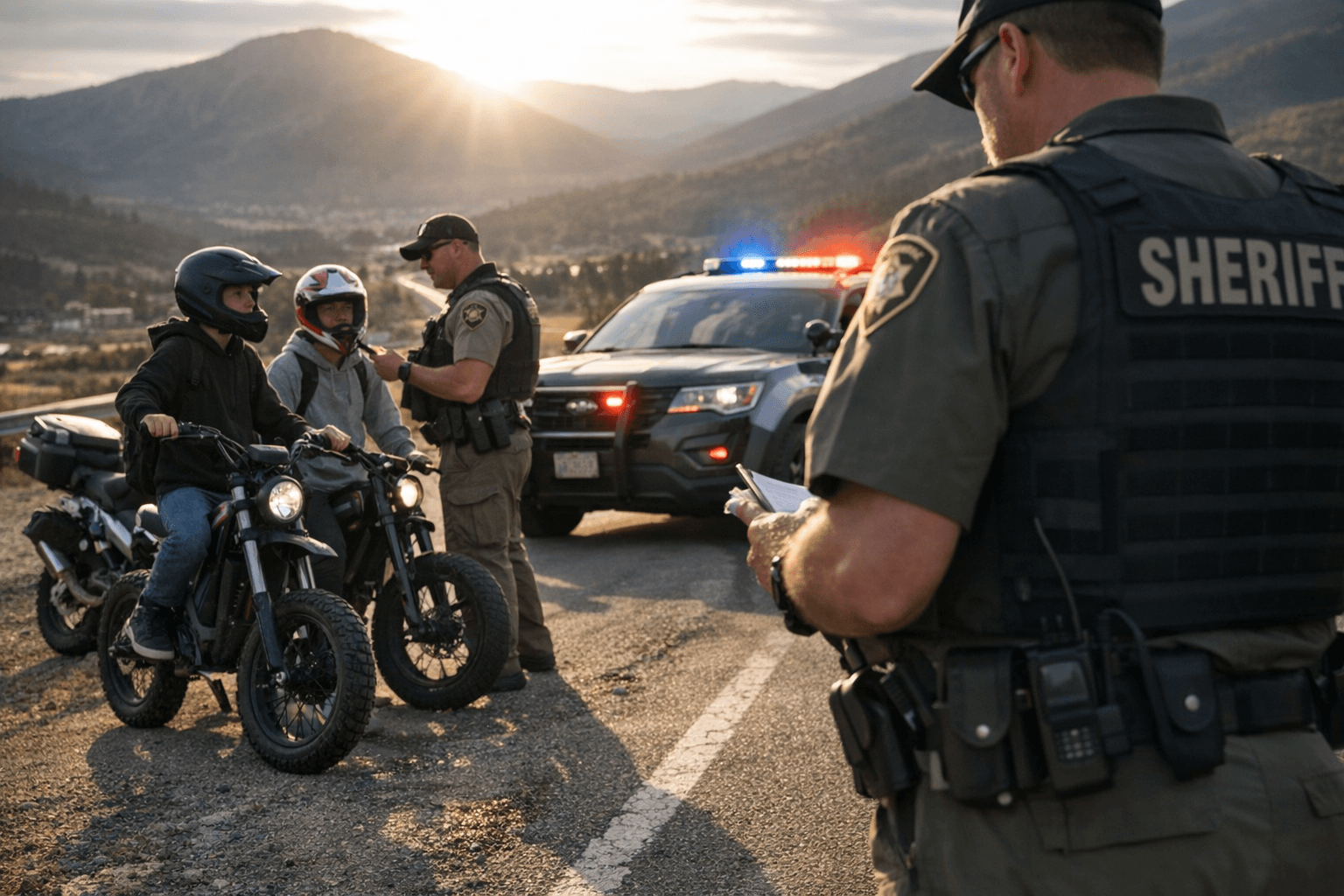
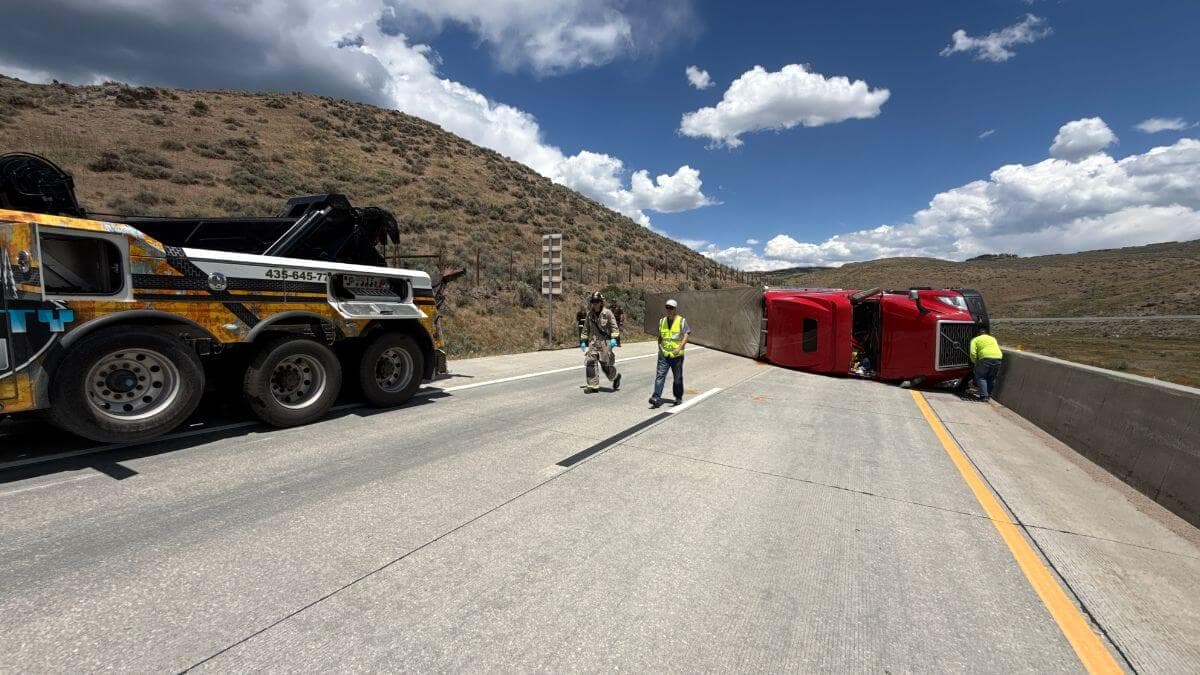
When a box truck struck a 13-year-old boy on Kilby Road on March 13, 2025, the teen had been moving electric dirt bikes off the road after he and another 13-year-old had collided on them. Both were expected to recover. The electric bikes they were riding are now, under Utah state law, legally motorcycles, and operating them without a license is a violation.
The Summit County Sheriff's Office announced enforcement of House Bill 381, which took effect May 6, 2025, reclassifying high-powered electric bikes as motorcycles on public roads. Sponsored by Davis County Republican Rep. Paul Cutler, the law makes Utah the first state in the country to address e-bikes with unrestricted top speeds through legislation.
The legal thresholds are specific. Any e-bike with a throttle capable of exceeding 20 mph requires the rider to be at least 16 and hold a driver's license with a motorcycle endorsement. Vehicles capable of exceeding 28 mph in max-assist speed are designated "Out-of-Class EVs," or OCEVs. Any two-wheeled electric vehicle with a motor nominally producing more than 1,500 watts that does not already qualify as an e-bike, moped, motor-assisted scooter, or motor-driven cycle is classified as a motorcycle, requiring registration, a license, and insurance.
Rep. Cutler was explicit about where the law stops: "This bill only deals with traffic on a highway, so it's only on a highway, in a road. We don't deal with sidewalks; we don't deal with trails."
Off public roads, a separate set of rules applies. Electric motorcycles used on public lands must be registered as off-highway vehicles and display a current OHV sticker. Riders under 18 must complete the Utah OHV Education Course before legally operating one on public lands. Those vehicles are also banned from trails designated for non-motorized use, a significant restriction near Park City, where extensive trail networks draw riders year-round.
The brands most often misclassified at point of sale include Surron, Talaria, and E Ride Pro, all marketed as e-bikes despite power and speed characteristics that make them legally ineligible for that designation under Utah law. Retailers who knowingly sell or advertise such vehicles as e-bikes without proper disclosure now face potential prosecution for deceptive trade practices under Utah Code Section 13-11a-3. Required disclosures must inform buyers that the vehicle does not qualify as an e-bike under the Utah Motor Vehicle Code and that standard insurance policies may not cover accidents involving such vehicles.
The injury data underpinning the legislation is difficult to dismiss. Registered nurse Katherine Stokes testified before Utah lawmakers that Intermountain Health emergency rooms treated 536 e-bike and e-scooter injuries in 2025, with only two in five patients wearing helmets at the time of their crash. Primary Children's Hospital recorded a 66.7% year-over-year increase in such injuries, with riders as young as 8 arriving with life-threatening conditions.
The two boys on Kilby Road were three years below the new minimum age, riding vehicles that required a license neither could legally obtain.
This article was produced by Prism’s automated news system from verified source data, official records, and press releases, then run through automated quality and moderation checks before publishing. The system is built and supervised by the people who set the standards it runs under. Read our full AI policy.
Did this article answer your question?