Henefer reveals Summit County’s farming roots along the Weber River
Henefer shows Summit County began as a Weber River farming stop in 1853, not a ski economy. Its pioneer routes still shape how the county thinks about growth and transport.
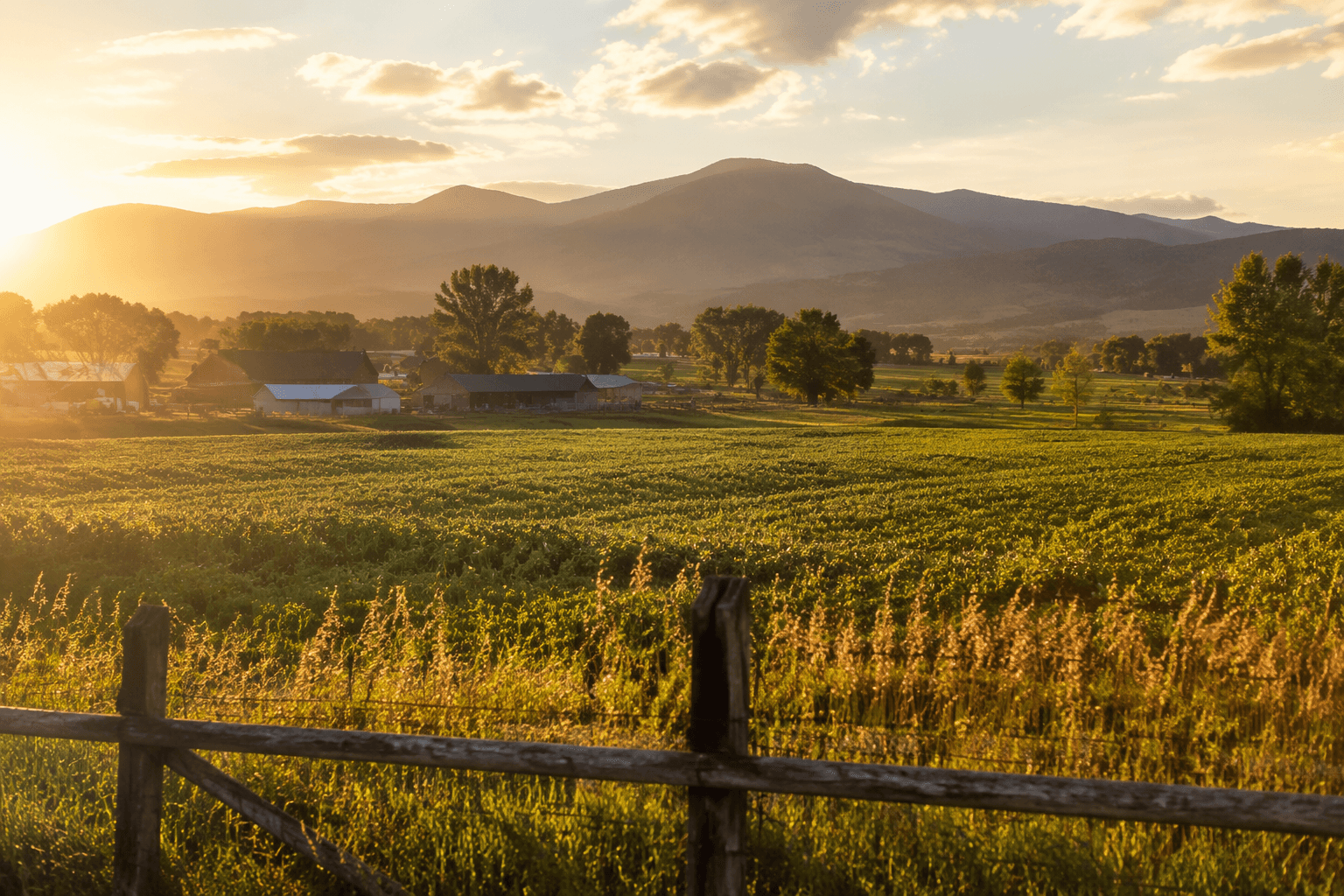
Henefer sits on the Weber River and tells a different Summit County origin story: one built on grain, cattle, and travel rather than ski runs and resort traffic. In 1853, Willam and James Hennefer were sent by Brigham Young to start a settlement along the river, and that small assignment helped anchor the county’s first economic backbone.
Henefer and the county that grew around it
Summit County was founded in 1854, just one year after the Hennefer settlement began. That timing matters because the county did not emerge first as a recreation destination or a commuter suburb. It grew in a landscape defined by high mountain summits that separate the Weber, Bear, and Green River drainage areas, and Utah’s Online Public Library notes that the county contains 39 of Utah’s highest peaks.
That geography made Summit County a corridor as much as a destination. Henefer’s location on the east side of the county, along the Weber corridor, put it in the path of travel, livestock movement, and the exchange of goods long before Park City’s name carried the county’s national profile. In that sense, Henefer is not a side note in Summit County history. It is one of the places that explains why people settled here at all.
A farming community shaped by the river
Summit County’s Henefer Community page describes the town as a farming community along the banks of the Weber River, and the details of daily life show how hard early settlement was. Homes were built from adobe brick with packed mud floors, dirt roofs, and windows fitted with barred shutters. Those choices were practical answers to a frontier environment where comfort mattered less than shelter, heat, and durability.
The same river that marked the town’s edge also supported production. Early settlers raised grain and cattle, which made Henefer useful not just as a place to live but as a place to survive and supply others moving through the area. That agricultural base is what separates Henefer from later Summit County development: the town helped feed the county before the county became known for attracting visitors.
Some local-history references place the settlement around 1859, but Summit County’s official history page uses 1853, and that is the date that best fits the county’s own narrative of early expansion along the Weber River. The town’s former name, Henneferville, also points back to the Hennefer brothers whose family name still defines the place.
The travel routes that made Henefer matter
Henefer’s importance was never only agricultural. Summit County’s official history says the Utah Pioneers’ 1847 route and later the Pony Express route passed over the site of Henefer, which puts the town inside one of the West’s most important movement corridors. That linkage matters because it shows how the settlement worked at the intersection of water, travel, and supply.
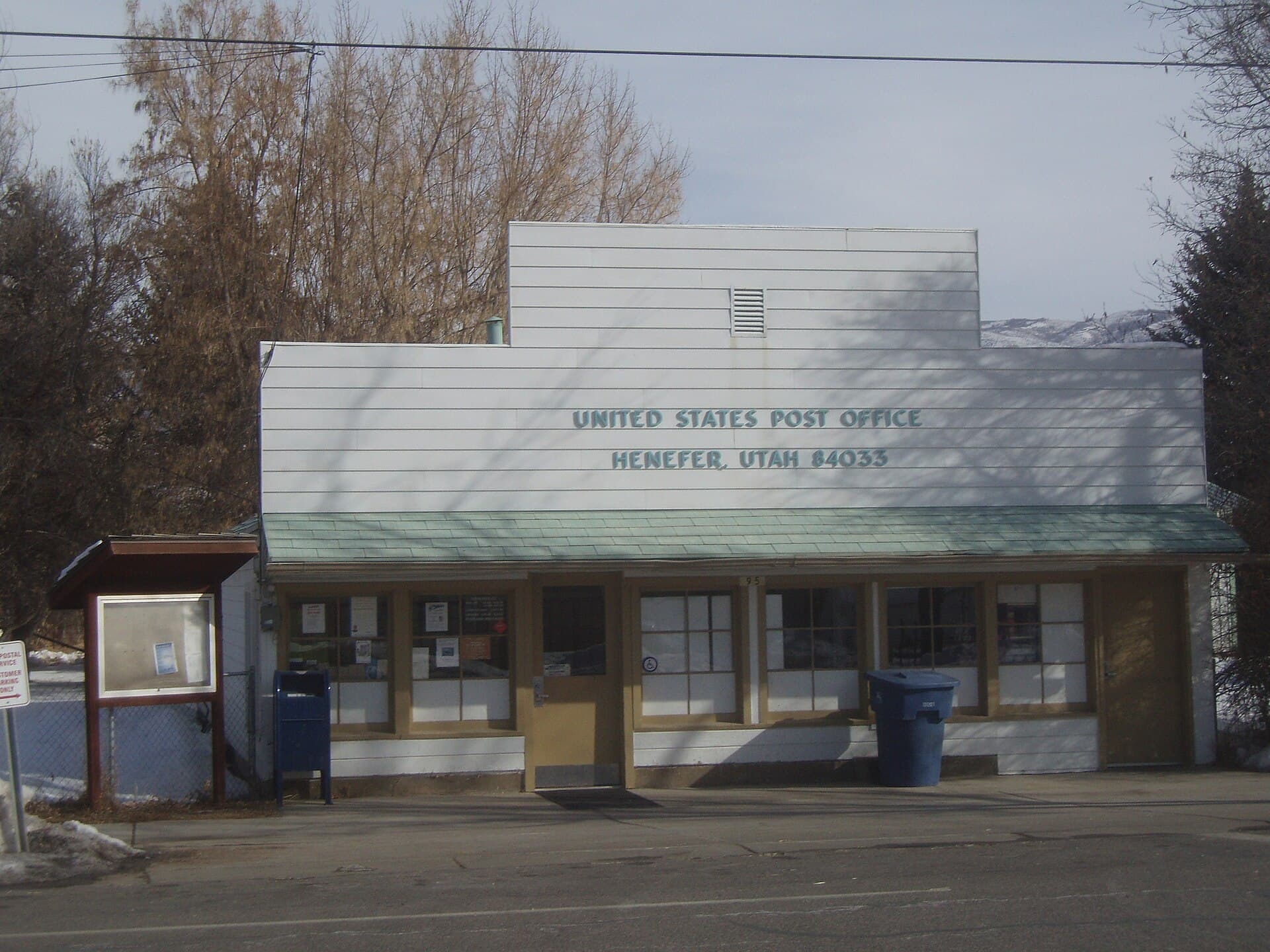
The Pony Express operated from April 1860 until October 1861, a short run that left a long imprint on western memory. Henefer belongs to that story because it sat on the route used to move mail and information across the frontier. The National Park Service maintains Pony Express National Historic Trail maps and trail information, and Henefer’s presence on that route reinforces its role as a practical stopover, not just a farming outpost.
This transportation layer also helps explain Summit County’s broader development. Echo and Henefer sit in the same Weber corridor story, where movement through the landscape mattered as much as land ownership. The settlement pattern that took shape there laid out a county built from points of passage, with communities connected by terrain rather than by modern development logic.
Small town, outsized historical weight
Henefer is still small enough that population estimates vary sharply depending on the source and year. The town’s own website says it has about 720 residents and uses a mayor-council form of government with five elected officials. Other profiles place the population at 789, 843 in a 2020 census listing, or 1,005 in an ACS-based profile.
Those differences do not change the larger point. Whether Henefer is counted at roughly 720 people or a little over 1,000, it remains one of Summit County’s smallest communities, and its scale makes its historical role even more striking. Small towns often get treated as footnotes in county narratives; Henefer is closer to a foundation stone.
That is why it matters to readers thinking about Summit County beyond Park City. The county’s current debates over land use, transportation, and identity are still shaped by the old fact that the earliest settlements were organized around water and movement. If growth today follows highways, commuting patterns, and resort economics, Henefer reminds the county that its first development model was a river-bottom farming stop built for survival and passage.
What Henefer explains about Summit County now
Henefer helps answer a larger question about Summit County: what was here before the ski economy dominated the county’s image? The answer is a landscape of farms, river access, and pioneer routes, with a town founded by two brothers under Brigham Young’s instruction and shaped by the needs of travel and agriculture. That origin still echoes in the county’s physical layout, especially in places outside Park City where roads, water, and open land remain central to every growth discussion.
In Henefer, Summit County’s past is not decorative. It is the framework that shows how the county was first organized, and why its present-day choices about roads, housing, and land still trace back to the Weber River.
This article was produced by Prism’s automated news system from verified source data, official records, and press releases, then run through automated quality and moderation checks before publishing. The system is built and supervised by the people who set the standards it runs under. Read our full AI policy.
Did this article answer your question?