Utah Avalanche Center names Nazz Kurth as executive director
Nazz Kurth took over the Utah Avalanche Center on June 15, and his first test will be winter forecasts, outreach and fundraising for Park City backcountry users.
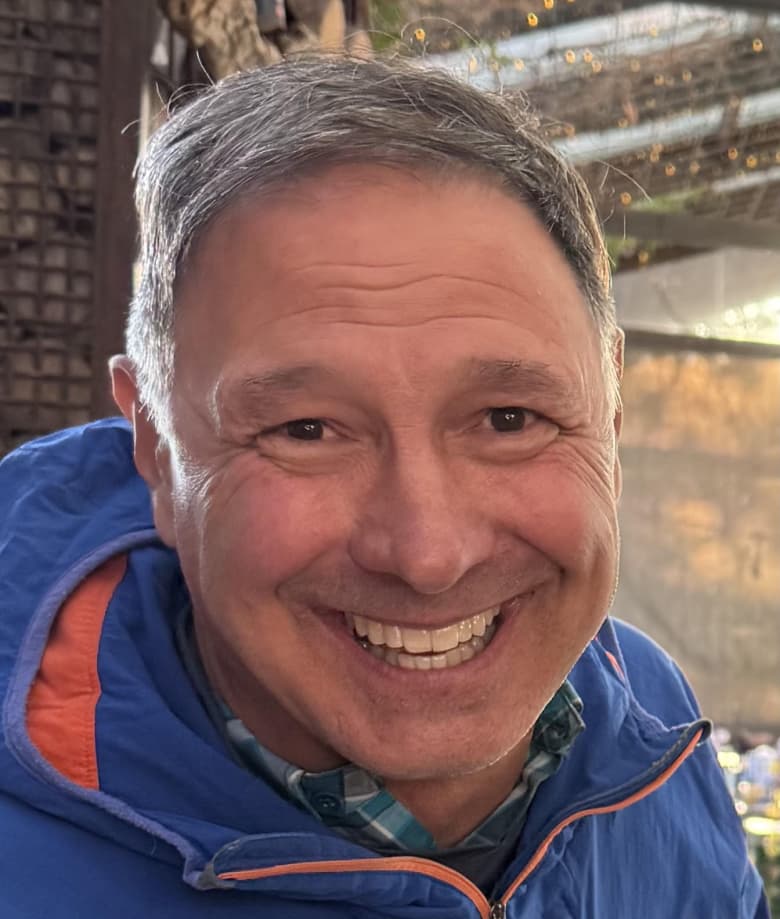
Nazz Kurth has taken over as executive director of the Utah Avalanche Center after a nationwide search, joining the nonprofit on June 15 with more than 20 years of experience. For Park City and Wasatch Back skiers, riders and guides, the change lands ahead of winter, when the center’s forecasts and warnings become part of everyday decisions in avalanche terrain.
Kurth inherits an organization whose job reaches far beyond one trailhead or one ski zone. The Utah Avalanche Center says it exists to keep people on top of The Greatest Snow On Earth by providing avalanche forecasting, education and awareness across Utah in collaboration with the US Forest Service, and its forecast areas stretch from Logan and Ogden to Salt Lake, Provo, the Uintas, Skyline, Moab and the Abajos. The executive director helps steer forecasting operations, staff support, communication tools, fundraising and the outreach that turns snowpack science into plain-language safety advice.
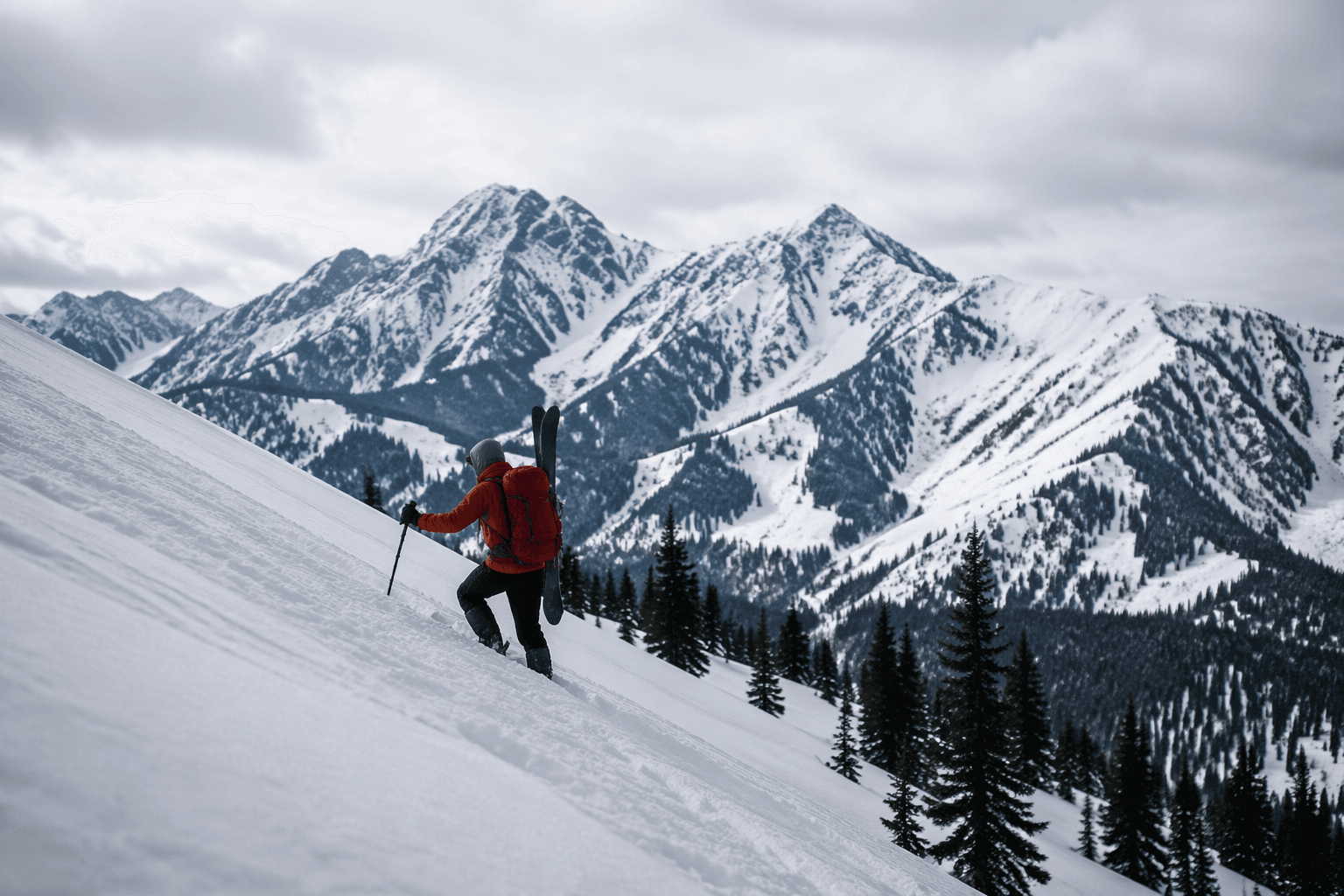
That work matters in Summit County, where avalanche information is one of the most practical public-safety tools for backcountry users, snowmobilers, skiers and resort-adjacent recreationists. The center’s public materials also show how broad the operation is: staff pages, tutorials, avalanche statistics, an observations explorer and an avalanche map all feed the daily information people use before heading uphill. Leadership at the top can affect how quickly those tools are updated, how clearly risk is explained and how well the center stays connected to ski areas, rescue crews, nonprofits and outdoor communities.
The stakes were clear through the last winter cycle. A low-snow winter tested the Utah Avalanche Center’s funding and public engagement, even as fundraising held strong and educational outreach expanded. In February, more than 50 avalanches were reported in Utah over two days, and nearly half were human-triggered. An avalanche also killed a snowmobiler near Snake Creek in Midway on Feb. 23, a reminder that the risk reaches well beyond ski lifts and into the backcountry routes locals use all season.
The center has also leaned on interns to help save lives, underscoring how much the nonprofit depends on staffing and planning as much as technical forecasting. Kurth’s background as a corporate leader and backcountry skier suggests the center wanted someone who understands both the management side and the mountain side, a combination that could shape how it approaches social media, classroom outreach and donor strategy before the next storm cycle arrives.
This article was produced by Prism’s automated news system from verified source data, official records, and press releases, then run through automated quality and moderation checks before publishing. The system is built and supervised by the people who set the standards it runs under. Read our full AI policy.
Did this article answer your question?