Park City adds waste reporting to extend Summit County landfill life
Park City now requires 84060 businesses and waste haulers to report trash, recycling, cardboard and food waste, with fines up to $500 for noncompliance.
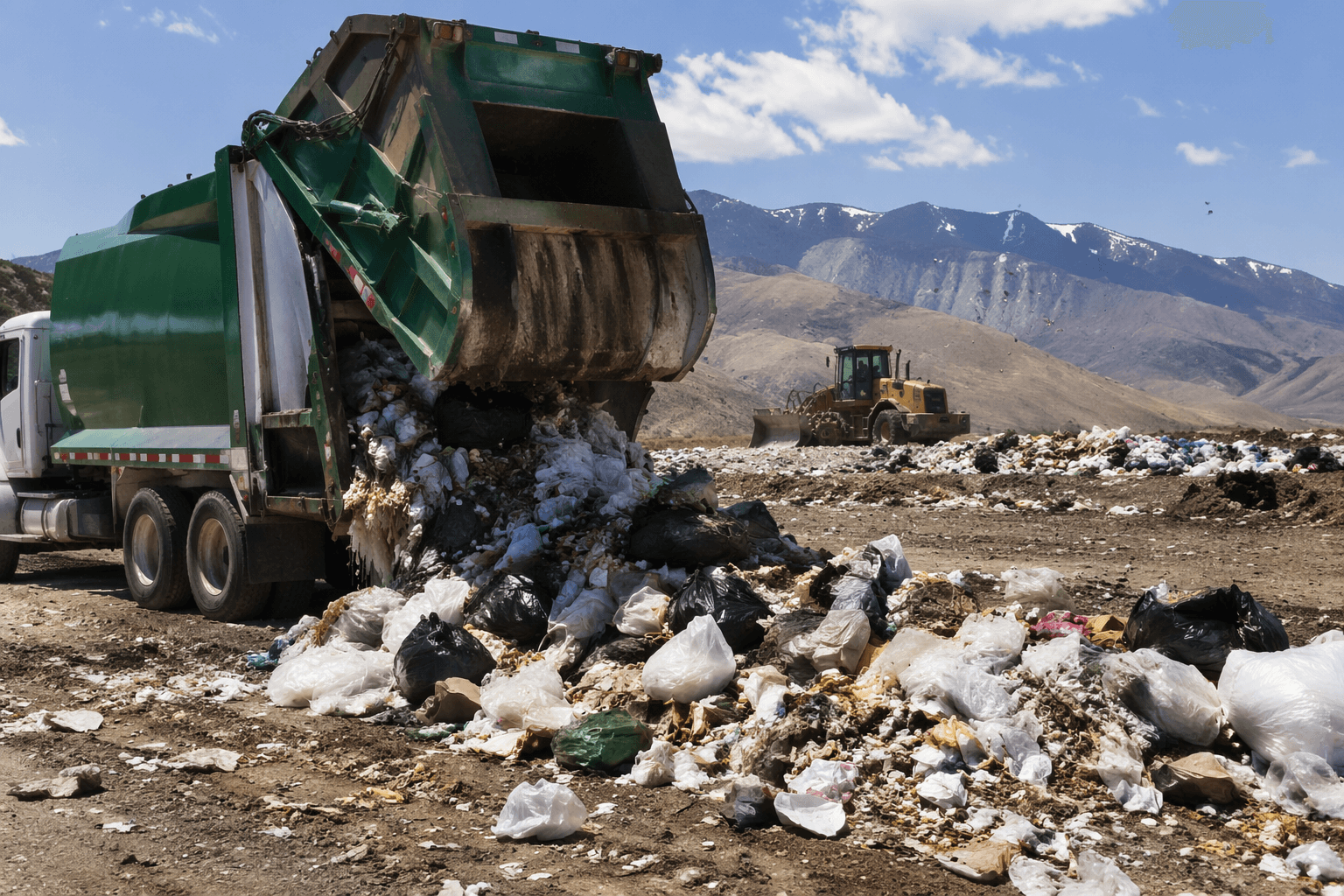
Park City is making businesses in the 84060 ZIP code prove they have trash and recycling service, while forcing waste haulers to report what they collect, from garbage and food waste to cardboard and recycling. City leaders say the new reporting system is meant to create a baseline that can help extend the Summit County landfill’s life, and it comes with real consequences: businesses cannot get or renew a license unless they comply, and haulers that do not can face a written warning and a fine of up to $500.
The Park City Council approved the waste reduction ordinance in May 2026. Starting in July, haulers are supposed to begin recording how much trash, food waste, recycling, cardboard and other material they pick up, then identify what they haul, label the bins they service and report hauled amounts to the city. Businesses with a physical address in Park City must either contract with an authorized hauler for trash and recycling and provide active account numbers, show they are covered through a shared waste program run by a master association, or self-haul and register as a hauler themselves.
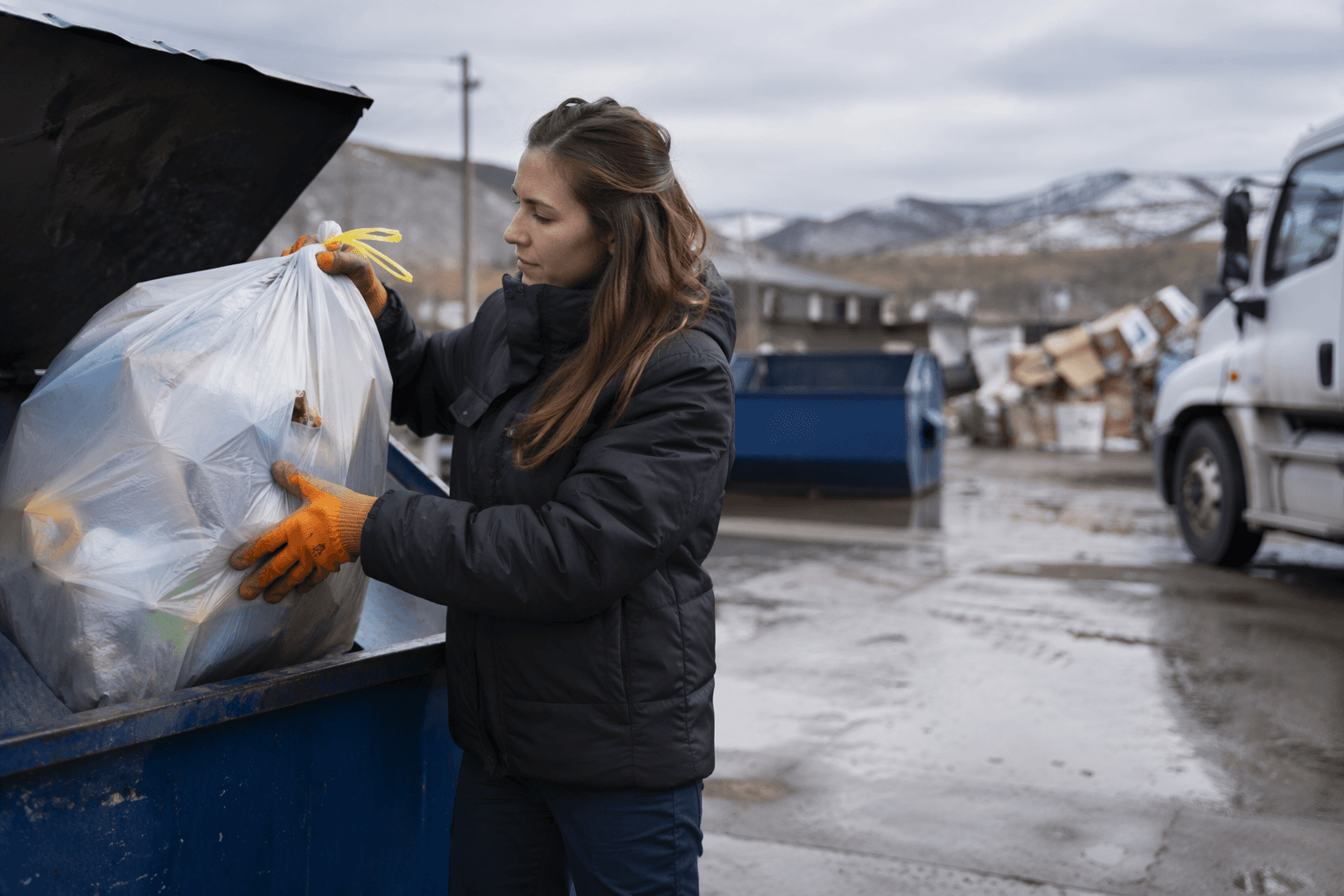
The city’s pitch is that the new paperwork will finally show what is being diverted and what is not. Park City staff and Councilmember Molly Miller have said residents already have curbside recycling, but many businesses have not been required to show proof of waste or recycling accounts. That gap, they say, has contributed to illegal dumping, low commercial recycling and confusion over communitywide diversion rates. Park City is also holding digital and in-person information sessions in June to walk businesses through the new rules.
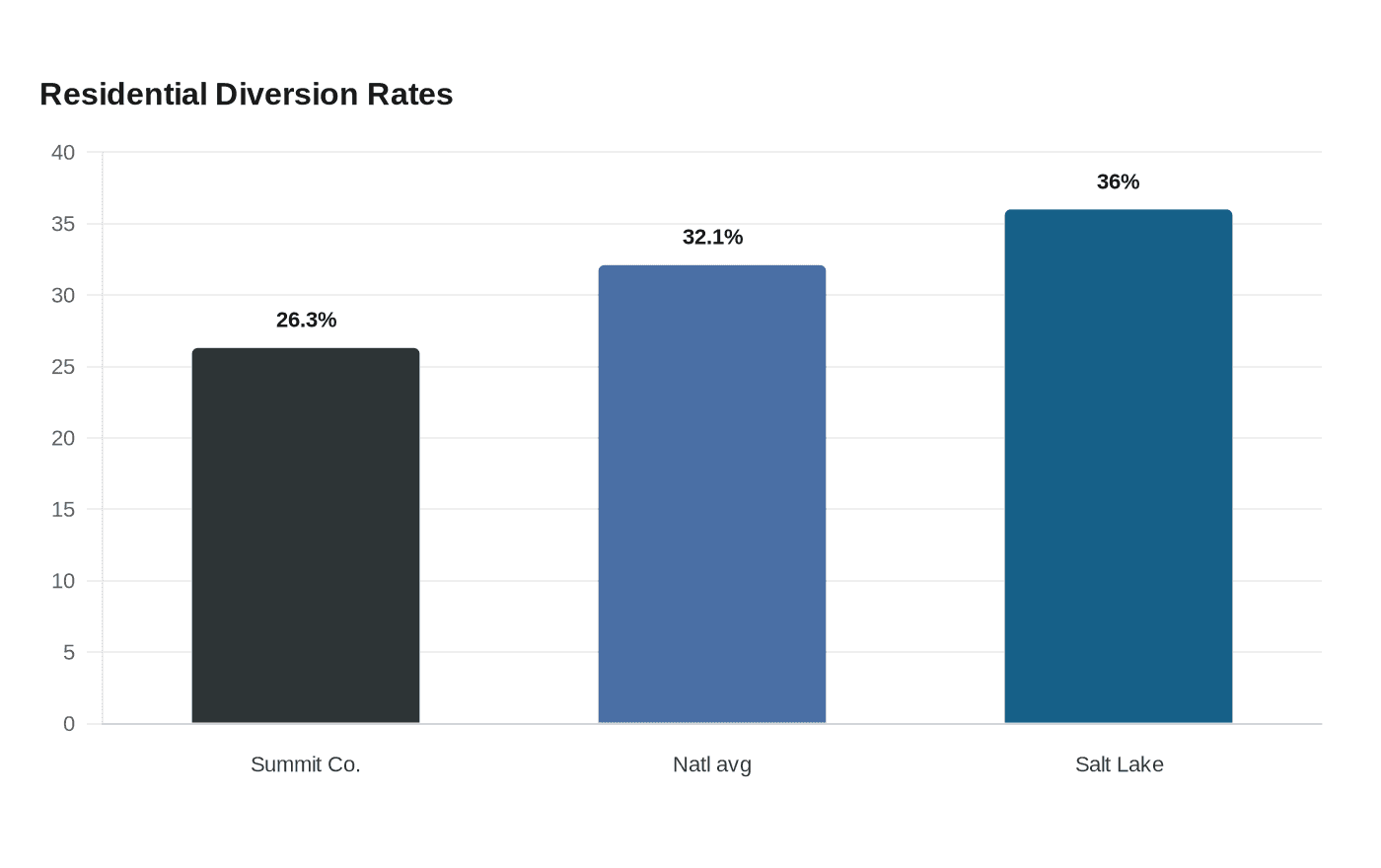
The numbers behind the ordinance show why the city is pressing harder. A 2021 Park City study found that about 57% of residential waste and 82% of commercial waste could be diverted through recycling or composting. Yet Summit County’s residential diversion rate was just 26.3%, below the national average of 32.1% and Salt Lake City’s 36%. City staff say some commercial recycling, including cardboard baling by grocery stores, is not captured in official diversion data, which means the county may be missing material already leaving the landfill stream.
The stakes stretch well beyond Park City’s license office. In March 2026, Summit County officials said the expected lifespan of county landfills had recently been increased by 10 years, and the county expected to approve a final Solid Waste Action Plan later this summer. Even so, Three Mile Landfill is still expected to reach capacity by 2053. That pressure is colliding with Recycle Utah’s move from its longtime 0.4-acre site at Park City’s old transit facility, where the nonprofit has operated since 1996 and collected about 1,775 tons of recyclable material annually for nearly a decade. Park City and Summit County have also floated a possible new home in the FJ Gillmor subdivision, including a 30,000-square-foot regional recycling center, while Park City has been supporting Recycle Utah with rent-free space, utilities and $75,000 a year. The new reporting rules are designed to show whether those efforts actually buy Summit County more time.
This article was produced by Prism’s automated news system from verified source data, official records, and press releases, then run through automated quality and moderation checks before publishing. The system is built and supervised by the people who set the standards it runs under. Read our full AI policy.
Know something we missed? Have a correction or additional information?
Submit a Tip